UTA Vice Chair Backs Bari Weiss Over Canceled UCLA Lecture
The talk of Westwood this past week was a canceled lecture, set to be delivered by a New York media heavyweight. Bari Weiss, the Free Press founder and editor-in-chief of CBS News, was scheduled to deliver the Daniel Pearl Memorial lecture at UCLA‘s Burkle Center next week. The topic? The future of journalism. The reaction?…
The talk of Westwood this past week was a canceled lecture, set to be delivered by a New York media heavyweight.
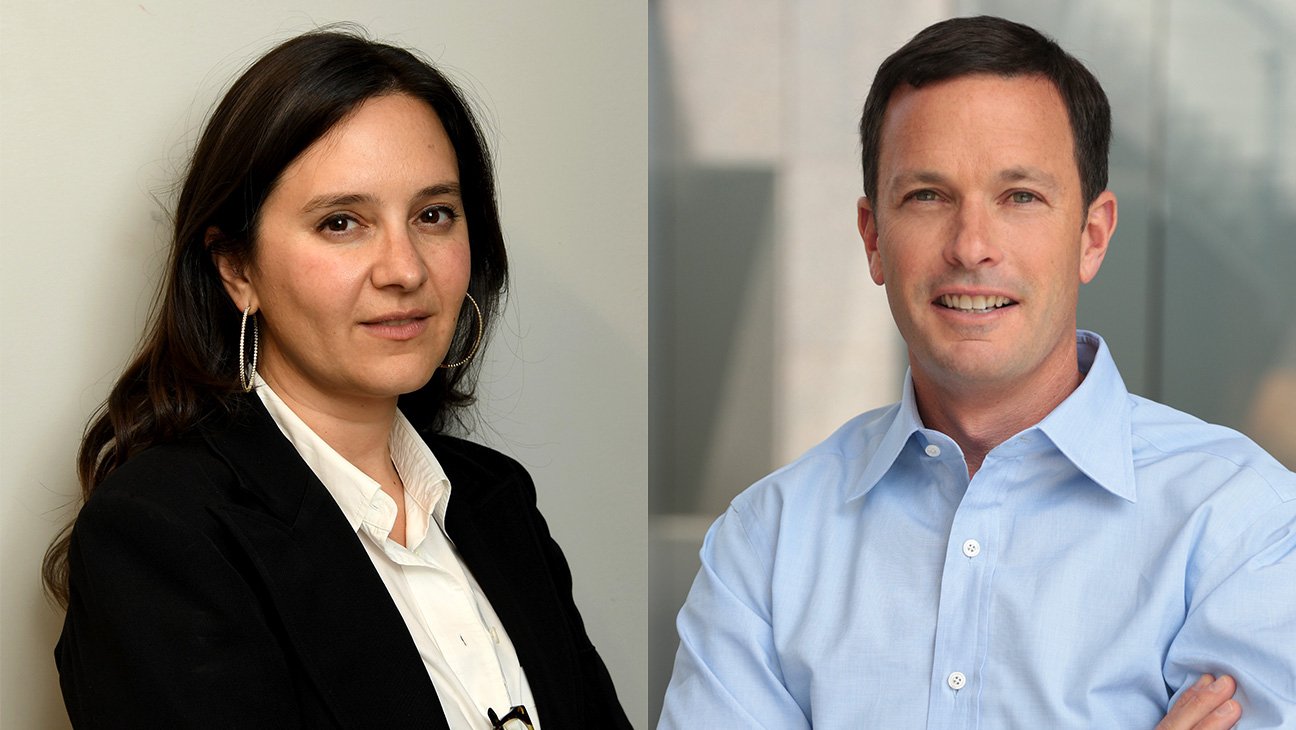
Bari Weiss, the Free Press founder and editor-in-chief of CBS News, was scheduled to deliver the Daniel Pearl Memorial lecture at UCLA‘s Burkle Center next week. The topic? The future of journalism. The reaction? Swift, with planned protests from Code Pink, and angry students and professors soliciting petitions in opposition to the lecture.
The lecture was canceled for security reasons, sources say, though UCLA’s student paper Daily Bruin reports that Weiss is still weighing a Zoom appearance.
And at least one powerful voice associated with the university says that he understands why Weiss made the call to cancel.
“As someone who has paid the price with having my personal security violated as a consequence of being outspoken about rampant anti Israel and anti semitic sentiment on college campuses, I fully understand why Bari would cancel,” says Jay Sures, the vice chairman of talent agency UTA, and a member of the University of California Board of Regents, in a statement to The Hollywood Reporter. “Why in the world would she put herself and her family in harms way? I understand why she would do this in the environment we live in today.”
Weiss is less than a year into the job as one of the most prominent executives in journalism, but she has frequently become the big story herself. She hosted a town hall for CBS News with Erika Kirk, the widow of the late conservative media personality Charlie Kirk, who was assassinated last year.
And she has made TV news’ crisis of confidence her mantra, with viewers increasingly distrustful of the mainstream media, and figuring out if she can persuade that audience to return.
Weiss, as Sures alludes to, has also been outspoken in her support for Israel, and in opposition to the apparent rise of antisemitism in the country and around the world.
Last month she unveiled a sweeping vision for CBS. “I’m not going to stand up here today and ask you for your trust. I’m going to earn it, just like we have to do with our viewers,” Weiss told staff. “What I can give you is what I’ve always tried to give my readers a a journalist: transparency. Clarity. Straight talk. So here it is as plan as I can say it: I am here to make CBS News fit for purpose in the 21st century. Our industry has changed more in the last decade than in the last 150 years, and the transformation isn’t over yet. Far from it. It’s almost impossible to conceive of how fast things will move from here.”
But that vision has been met with resistance, both inside CBS News and outside, as the response to her UCLA lecture underscores. There has been a perception that Weiss, whose personal views are seen as heterodox, or at least to the right of most New York journalists, is simply trying to reorient the ideological positioning of CBS.
Or as one exiting CBS News producer said earlier this month, there is “a shifting set of ideological expectations” at the network.
Of course Weiss is the one running CBS News, and while some staff and critics have been upset by her moves, there’s no doubt that she is executing on a strategy. And some inside CBS News, including some top anchors and correspondents like Gayle King and Jan Crawford, have expressed support for the executive.
So even if she isn’t delivering lectures about the future of journalism, there seems to be little doubt that she will have a hand in figuring out what that future holds, one way or another.