IMF Graft Report ‘Alarming’ as Rs5.3 Trillion Irregularities Exposed, Says BMP— Women Driving Economic Progress; Government Urged to Launch Deep Reforms
By Farzana Chaudhry — Lahore, Pakistan LAHORE: The Chairman of the FPCCI’s Businessmen Panel (BMP), Mian Anjum Nisar, has issued a strong reaction to the IMF’s latest governance and corruption diagnostic report, describing it as “an alarming charge-sheet against Pakistan’s governance system” following the revelation of Rs5.3 trillion in financial irregularities. He said the business…
By Farzana Chaudhry — Lahore, Pakistan
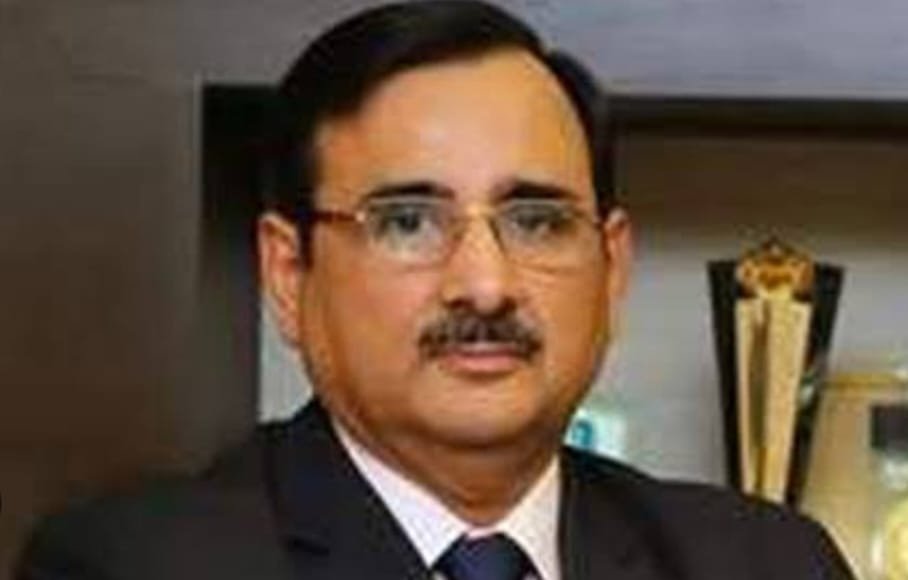
LAHORE: The Chairman of the FPCCI’s Businessmen Panel (BMP), Mian Anjum Nisar, has issued a strong reaction to the IMF’s latest governance and corruption diagnostic report, describing it as “an alarming charge-sheet against Pakistan’s governance system” following the revelation of Rs5.3 trillion in financial irregularities.
He said the business community was “shocked” by the scale of leakages and the institutional weaknesses highlighted by the IMF, noting that the findings laid bare critical gaps in oversight, procurement, internal controls and public-sector management.
Despite the grim assessment, the BMP chairman highlighted a positive trend: Pakistan’s recent economic improvements—particularly in exports, small businesses and workplace productivity—have been “largely driven by women’s increased participation in the economy.” He stressed that this momentum must now be supported with deep, long-term structural reforms rather than temporary administrative measures.
‘Wake-up call for policymakers’
Commenting on the report, Nisar urged the government not to dismiss the IMF’s findings as foreign criticism but to treat them as “professional, evidence-based feedback.” He said the report explains why Pakistan repeatedly faces shrinking fiscal space and cycles of crises and emergency bailouts.
For the first time in years, he noted, the IMF has quantified leakages and inefficiencies with clarity—documenting outdated audit systems, slow judicial processes, weak enforcement mechanisms, delays in accountability and a lack of transparent procurement.
“These are issues the business community has been warning about for a decade,” he said, adding that Pakistan must finally address rent-seeking loopholes, digitise departments and overhaul procurement laws.
Call for a National Economic Governance Council
To ensure continuity beyond political cycles, Nisar proposed establishing a National Economic Governance Council comprising representatives from federal and provincial governments, economists, private-sector leaders, former finance secretaries and regulatory experts.
He warned that with frequent political transitions and abrupt policy shifts, Pakistan urgently needs an institutional mechanism to maintain reforms over the next five years.
Digitalisation ‘single strongest weapon’ against corruption
The BMP chairman stressed that global examples show digitalisation is the most powerful tool to curb corruption. He urged the government to immediately digitalise:
Tax administration
Customs and import/export management
PSDP and development project execution
Subsidy distribution
Utility billing
Budgeting and financial reporting
He said the IMF report reinforces the need for real-time fiscal dashboards, track-and-trace systems and full e-governance adoption.
PSE losses unsustainable
Calling loss-making public-sector enterprises a “black hole for taxpayers’ money,” Nisar said Pakistan can no longer afford to finance entities that drain hundreds of billions annually. He recommended either privatisation or the appointment of merit-based professional managers from the private sector.
Judicial and regulatory reforms essential for investment
Nisar warned that judicial delays—particularly in commercial cases—remain among the biggest obstacles to foreign investment. He stressed the need to strengthen commercial courts, reduce regulatory overlaps, modernise audit systems and depoliticise accountability bodies to ensure predictable contract enforcement and investor protection.
‘Economy must run on institutional auto-pilot’
He said Pakistan must shift economic policymaking from personalities to institutions. Strong institutions ensure stability and continuity, whereas policy reversals and inconsistent taxation frameworks have long deterred investment and growth.
‘A moment for transparency and courage’
Calling the IMF report an opportunity rather than an indictment, he urged the government to:
Publicly engage with the report
Share clear reform timelines
Build national consensus with political stakeholders and business chambers
He reiterated that the business community stands ready to support structural reforms at every level.
“What Pakistan needs now,” he concluded, “is courage, implementation and long-term governance reforms to secure economic sovereignty and stability.”