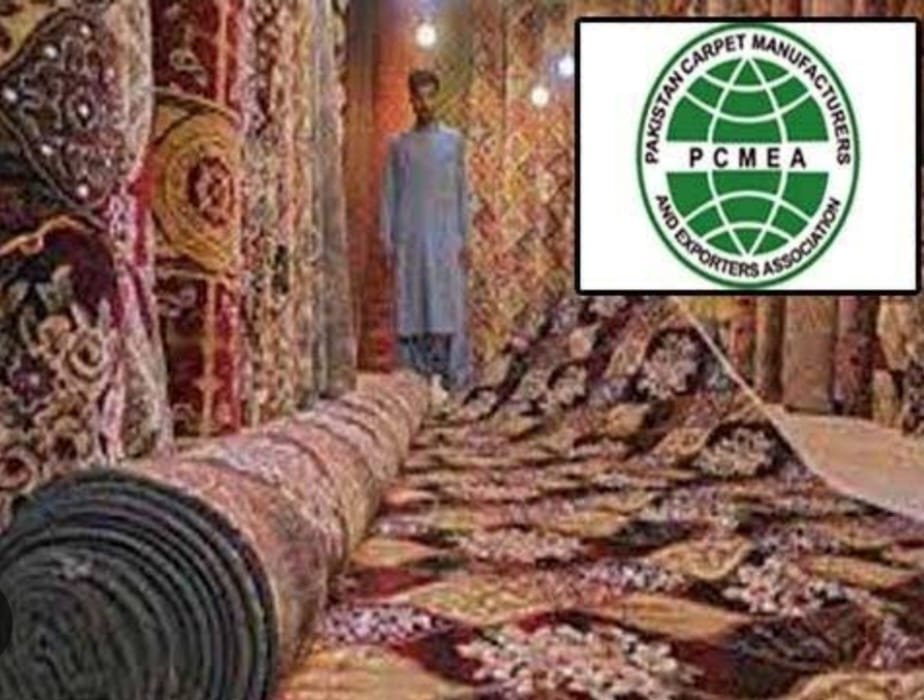
Concern Mounts Over Deepening Crisis in Pakistan’s Handmade Carpet Industry
By Farzana ChaudhryLahore, PakistanLAHORE: The Pakistan Carpet Manufacturers and Exporters Association (PCMEA) has expressed serious concern over the worsening crisis confronting the country’s handmade carpet industry and has urged Prime Minister Shehbaz Sharif to take immediate notice and intervene to protect the historic sector, a key contributor to Pakistan’s foreign exchange earnings.In a joint statement,…
By Farzana Chaudhry
Lahore, Pakistan
LAHORE: The Pakistan Carpet Manufacturers and Exporters Association (PCMEA) has expressed serious concern over the worsening crisis confronting the country’s handmade carpet industry and has urged Prime Minister Shehbaz Sharif to take immediate notice and intervene to protect the historic sector, a key contributor to Pakistan’s foreign exchange earnings.
In a joint statement, PCMEA Chairman Mian Atiq-ur-Rehman, Patron-in-Chief Abdul Latif Malik, Vice Chairman Riaz Ahmed, Chairperson of the Carpet Training Institute Ijaz-ur-Rehman, along with senior members Usman Ashraf and Saeed Khan, said exports of handmade carpets are declining sharply due to rising production costs, a heavy tax burden, and multiple administrative hurdles.
The association warned that the industry is facing an unprecedented downturn, despite its longstanding role in Pakistan’s export economy. According to PCMEA, mounting cost pressures and regulatory challenges have severely undermined the sector’s ability to compete with traditional rivals in international markets.
The leadership cautioned that without urgent relief measures, the decline in exports could accelerate further, resulting in significant economic and social consequences. They appealed to the Prime Minister, the Finance Minister, and the Commerce Minister to formulate and implement a comprehensive, coordinated policy tailored specifically for the cottage-based handmade carpet industry, which is spread across several regions of the country.
PCMEA also proposed targeted government support, including financial stipends for skilled workers to prevent their exit from the industry, and special incentives aimed at reducing production costs. Such measures, the association said, would help safeguard the livelihoods of millions of families associated with the sector and prevent further losses to the national economy.
The association stressed that timely intervention is essential to preserve Pakistan’s traditional craftsmanship, sustain exports, and ensure the long-term survival of one of the country’s most labor-intensive industries.