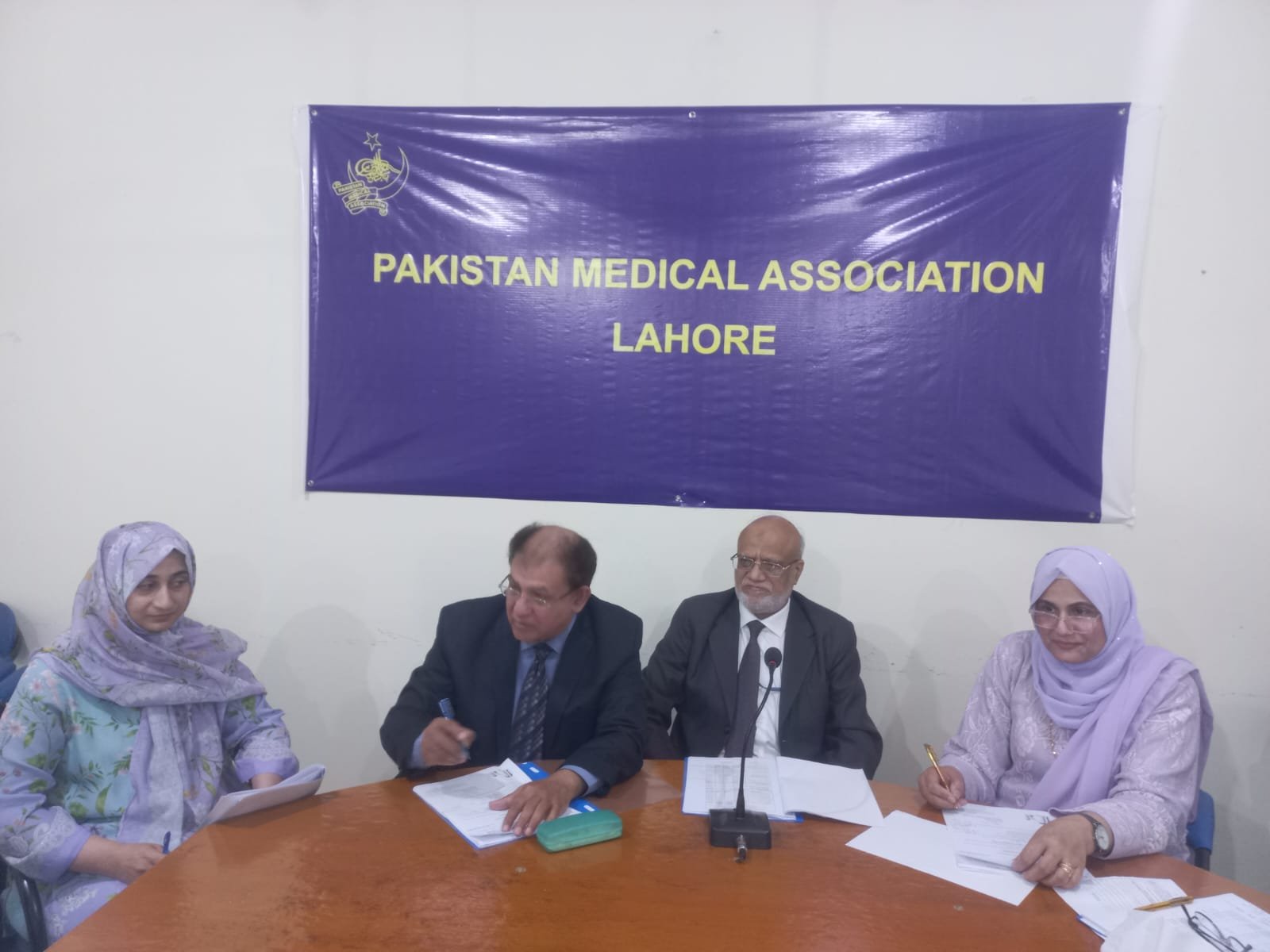
Pakistani Medical Association Demands Biometric Tracking for Senior Bureaucrats to Combat Administrative Delays
Lahore, Pakistan –by Farzana choudhray The head of Pakistan’s leading medical professional body has called for mandatory biometric attendance systems with location tracking for senior civil servants, citing chronic delays in administrative decision-making that he says are crippling the healthcare sector.Professor Dr. Shahid Malik, President of the Pakistan Medical Association (PMA), issued the demand on…
Lahore, Pakistan –by Farzana choudhray The head of Pakistan’s leading medical professional body has called for mandatory biometric attendance systems with location tracking for senior civil servants, citing chronic delays in administrative decision-making that he says are crippling the healthcare sector.
Professor Dr. Shahid Malik, President of the Pakistan Medical Association (PMA), issued the demand on Monday, alleging that thousands of files have remained pending in the government’s electronic filing system for extended periods, particularly within the health department.
“Thousands of files have been stuck in the e-Office system at various sections of the health department, where decisions are deliberately delayed,” Dr. Malik said in a statement. “This persistent negligence has promoted a culture of favoritism and corruption.”
The PMA chief specifically called for biometric attendance requirements to be imposed on all Administrative Secretaries, Special Secretaries, and Additional Secretaries across government departments to ensure their physical presence in offices.
Dr. Malik argued that the healthcare sector and medical professionals have been disproportionately affected by what he described as “discriminatory treatment” and deliberate neglect by senior bureaucrats who are failing to fulfill their official duties.
“Due to the absence and lack of interest of the bureaucracy, public issues—particularly those related to the health department—remain severely stalled,” he stated, urging Prime Minister Shehbaz Sharif to intervene directly.
The PMA president proposed that file pendency in any government office should not exceed one to two days and called for “clear and strict policies” to accelerate decision-making processes across the civil service.
Pakistan’s bureaucracy has long faced criticism for inefficiency, with reform advocates arguing that the colonial-era administrative system requires modernization. The country’s healthcare system, meanwhile, continues to struggle with resource constraints, staffing shortages, and governance challenges.
The PMA, established in 1948, represents over 150,000 doctors across Pakistan and regularly advocates on issues affecting medical professionals and public health policy.
The Prime Minister’s Office had not responded to requests for comment at the time of publication.