Federal Minister for Human Rights Senator Azam Nazeer Tarar Meets Ambassadors of Human Rights from Netherlands and Sweden
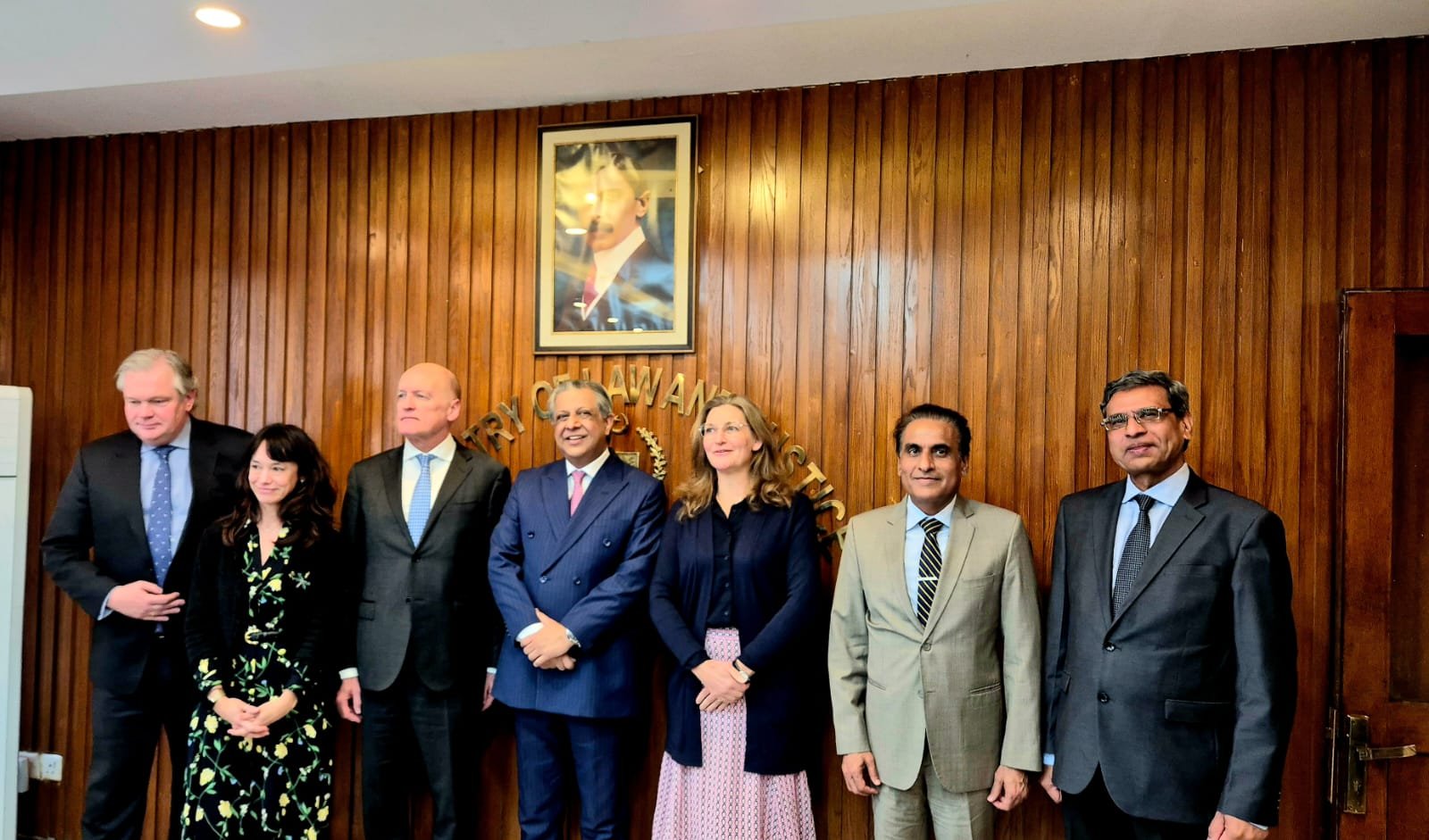
Islamabad – February 10, 2026Federal Minister for Human Rights Senator Azam Nazeer Tarar held a joint meeting today with His Excellency Mr. Wim Geerts, Ambassador for Human Rights of the Kingdom of the Netherlands, and Ms. Irina Shoglén Nyoni, Ambassador for Human Rights of Sweden, accompanied by their respective delegations. Secretary Ministry of Human Rights…
Islamabad – February 10, 2026
Federal Minister for Human Rights Senator Azam Nazeer Tarar held a joint meeting today with His Excellency Mr. Wim Geerts, Ambassador for Human Rights of the Kingdom of the Netherlands, and Ms. Irina Shoglén Nyoni, Ambassador for Human Rights of Sweden, accompanied by their respective delegations. Secretary Ministry of Human Rights Abdul Khaliq Shaikh was also present during the meeting.
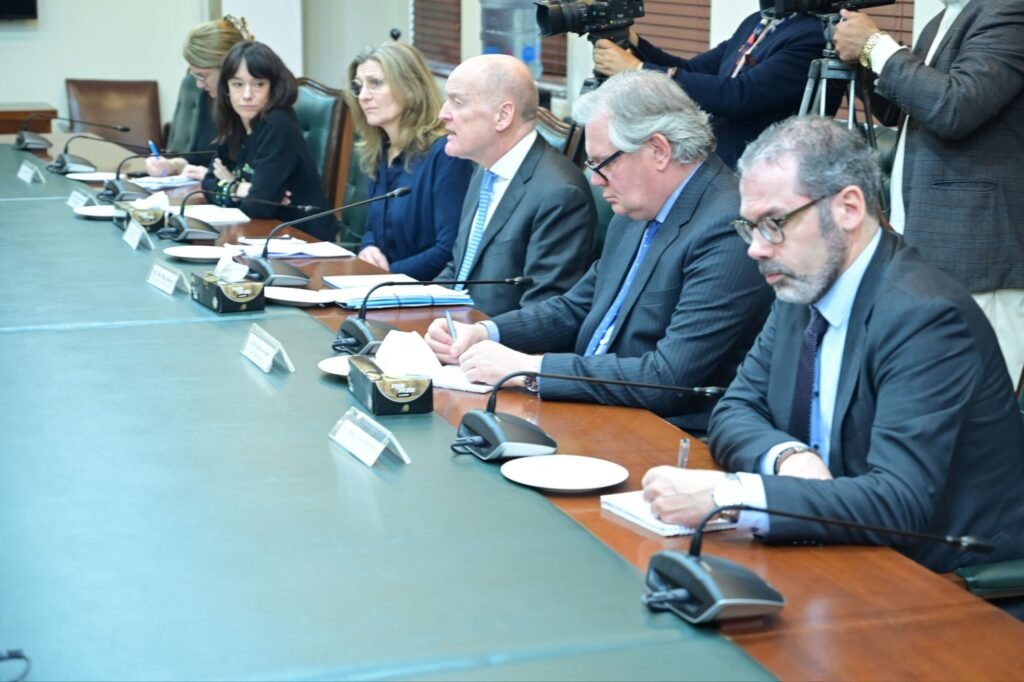
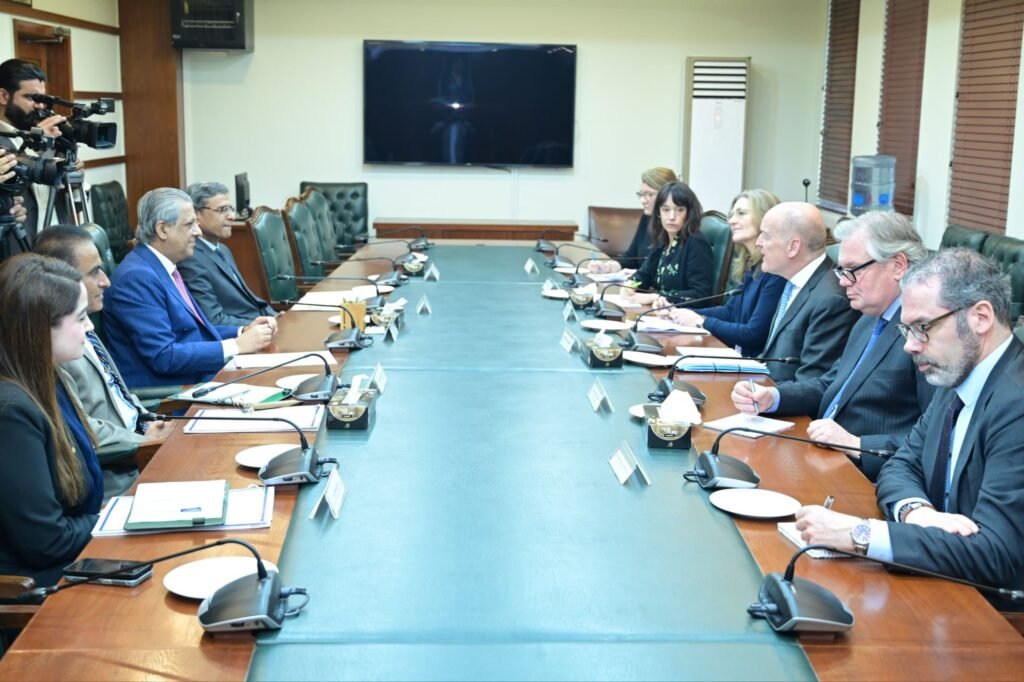
The discussions focused on Pakistan’s ongoing human rights initiatives, progress in legislative reforms, and possibilities for further strengthening cooperation with international partners.
The Federal Minister appreciated the consistent partnership of the Netherlands and Sweden in promoting human rights. He highlighted institutional achievements, policy measures, and reforms related to public safety introduced to protect citizens—particularly vulnerable groups—ensure access to justice, and strengthen the rule of law.
Senator Azam Nazeer Tarar emphasized that the Constitution of Pakistan guarantees equal rights and equal treatment to all citizens without discrimination, including on the basis of gender, and promotes harmony among different religious and ethnic groups. He noted that multiple laws have been enacted for the protection of women, children, senior citizens, transgender persons, and persons with disabilities.
He particularly drew attention to the recently passed ICT Domestic Violence Prevention and Protection Act 2026, which further strengthens protective measures for women and children, and the Ministry’s National Strategy on Gender-Based Violence Response that includes comprehensive engagement of men.
The Minister informed the delegation that the National Commission for Human Rights (NCHR), National Commission on the Status of Women (NCSW), and National Commission on the Rights of the Child (NCRC) are fully functional and actively working for the protection of citizens’ rights. He highlighted that NCHR has recently been granted ‘A’ Status by GANHRI in recognition of its independence and transparency. He also stated that steps are underway to establish the country’s first National Commission for Minorities to better protect minority communities and promote inclusive governance.
The delegations commended the constructive role of Pakistani women and civil society in advancing human rights. They welcomed legislative reforms concerning child marriage, particularly the ICT Child Marriage Restraint Act 2025, describing it as an important step toward ending child marriage.
The Federal Minister also highlighted ongoing efforts to increase women’s participation in the workforce and public life, noting that Prime Minister Mian Muhammad Shehbaz Sharif has made women’s empowerment one of the government’s top priorities.
The visiting ambassadors appreciated Pakistan’s legal reform measures, including amendments to the Pakistan Penal Code that have narrowed the scope of the death penalty, and the Torture and Custodial Deaths (Prevention and Punishment) Act 2022, which criminalizes torture and strengthens judicial accountability.
They also praised initiatives for the protection of journalists and media professionals, the establishment of a proposed national commission in this regard, and efforts to ensure the independence and effective functioning of national human rights institutions.
Senator Azam Nazeer Tarar reiterated the government’s commitment to maintaining a balance between protecting citizens from hate speech, incitement, and misuse of platforms, while safeguarding freedom of expression. He assured that legal safeguards would be implemented in a fair and transparent manner. He further informed the delegation that over the past year there has been a noticeable decline in blasphemy-related cases, reflecting progress in legal standards and human rights norms.
At the conclusion of the meeting, both sides expressed their resolve to continue dialogue, deepen cooperation, and ensure timely implementation of policies to effectively protect the rights of women, children, minorities, and other vulnerable groups, and to build a safer, more open, and just society.