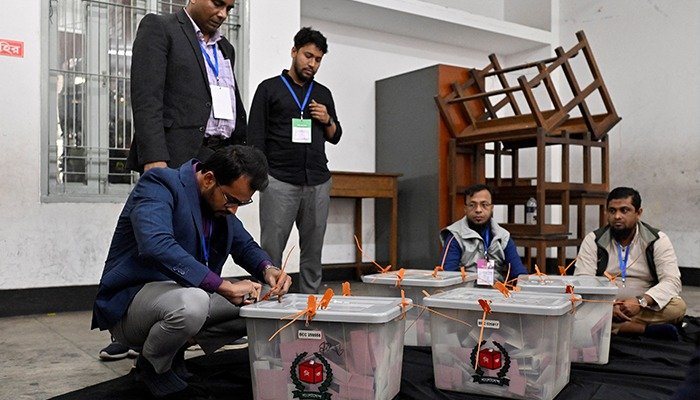
Bangladesh 13th Parliamentary Elections: Polling Ends, Vote Counting Begins — Tight Race Expected Between BNP and Jamaat-led Alliances
Dhaka, February 12, 2026 — Polling has concluded in Bangladesh’s landmark 13th Jatiya Sangsad (parliamentary) elections, marking the country’s first major vote since the 2024 student-led uprising that ousted longtime Prime Minister Sheikh Hasina. Voting ran from 7:30 a.m. to 4:30 p.m. local time across 42,651 polling stations in 299 constituencies, with vote counting commencing…
Dhaka, February 12, 2026 — Polling has concluded in Bangladesh’s landmark 13th Jatiya Sangsad (parliamentary) elections, marking the country’s first major vote since the 2024 student-led uprising that ousted longtime Prime Minister Sheikh Hasina. Voting ran from 7:30 a.m. to 4:30 p.m. local time across 42,651 polling stations in 299 constituencies, with vote counting commencing immediately afterward.
The Election Commission reported a voter turnout of approximately 47.91% by 2 p.m., describing the process as largely peaceful despite minor isolated incidents. Preliminary trends are anticipated around midnight, with clearer and more comprehensive results expected by Friday morning, February 13.
The election is primarily a bipolar contest between two major coalitions:
The Bangladesh Nationalist Party (BNP) alliance, led by Tarique Rahman, which has shown an early lead in multiple constituencies (reports indicate leads in 37–50 seats in some tallies).
The 11-Party Alliance headed by Bangladesh Jamaat-e-Islami under Shafiqur Rahman, including the National Citizen Party (NCP) formed by 2024 uprising student leaders. The alliance has performed strongly in several areas, notably with NCP candidate Hasnat Abdullah securing a landslide victory in Comilla-4 (Debidwar), garnering around 172,000 votes against his rival’s 26,000.
A simultaneous nationwide referendum on proposed constitutional amendments (July Charter 2025) was also held. Ousted leader Sheikh Hasina has dismissed the polls as a “farce,” claiming negligible turnout.
The outcome will shape Bangladesh’s post-Hasina political landscape, with high stakes for democratic transition, reform, and potential shifts toward Islamist or nationalist governance.