Trump’s Naval Coalition Dream Collapses — Japan, Australia, UK and Germany All Say NoWashington
Tokyo/ Canberra — March 16, 2026President Donald Trump’s ambitious plan to assemble an international naval coalition to reopen the Strait of Hormuz has hit a wall of refusals, as one major ally after another declined to send warships to the contested waterway on the 16th day of the U.S.-Israel war on Iran.Japan and Australia confirmed…
Tokyo/ Canberra — March 16, 2026
President Donald Trump’s ambitious plan to assemble an international naval coalition to reopen the Strait of Hormuz has hit a wall of refusals, as one major ally after another declined to send warships to the contested waterway on the 16th day of the U.S.-Israel war on Iran.
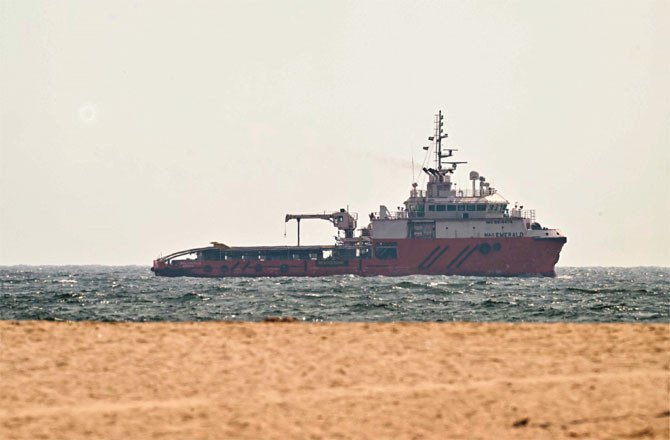
Japan and Australia confirmed Monday they are not planning to send navy vessels to the Middle East to escort ships through the Strait of Hormuz, despite Trump’s insistence that nations relying heavily on Gulf oil have a responsibility to protect the route through which 20% of the world’s energy supply normally passes.
Japan’s Prime Minister Sanae Takaichi told parliament her country has no plan to dispatch naval vessels to the region, citing legal constraints under Japan’s pacifist constitution. Australia’s cabinet minister Catherine King similarly ruled out naval participation, though Canberra has contributed air support. France had already refused last week, and Germany’s Foreign Minister Johann Wadephul stated he sees neither an immediate necessity nor any possibility of German participation in the Strait of Hormuz mission.
UK Prime Minister Keir Starmer firmly rebuffed Trump’s demands, saying any plan to reopen the strait would not be a NATO mission and that Britain would not be drawn into the wider war. South Korea said it was carefully reviewing the request — the only country to leave the door slightly open.
Oil Markets Reel:
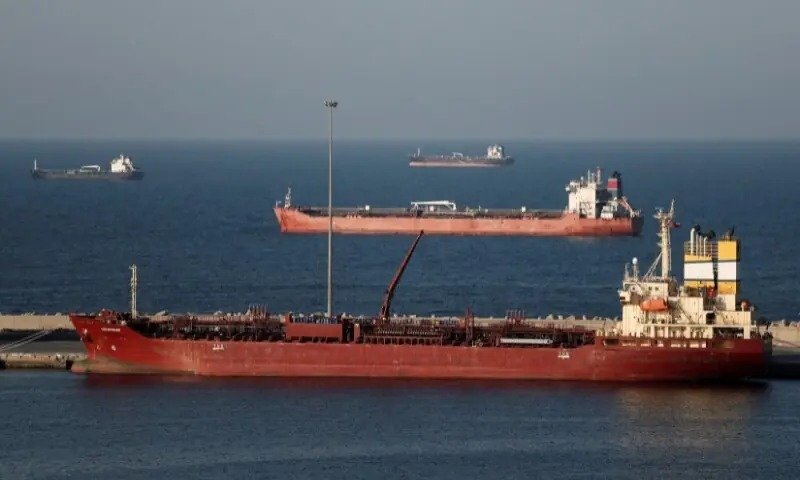
Brent crude climbed above $104.50 a barrel as Asian markets opened cautiously. Approximately 1,000 oil tankers remain stranded and unable to transit the strait since the conflict began on February 28.
Iran’s Selective Access:
Iranian Foreign Minister Abbas Araghchi said Tehran has been approached by several countries seeking safe passage for their vessels, with the decision resting with Iran’s military. India successfully negotiated passage for two gas tankers through direct diplomacy with Tehran — a model that analysts suggest may be the only realistic short-term solution.
Trump’s Warning Falls Flat:
Trump claimed “many countries” had agreed to send warships but declined to name them — a statement that analysts described as an attempt to calm global energy markets rather than reflecting concrete military commitments. Iran’s IRGC Navy chief responded mockingly, saying Americans first falsely claimed the destruction of Iran’s navy, then falsely claimed to be escorting oil tankers, and now they are asking others for backup.