Trump Reveals Iran’s “Present”: 10 Oil Tankers Allowed Through Strait of Hormuz
WASHINGTON, March 27, 2026 — U.S. President Donald Trump confirmed Thursday that Iran allowed 10 oil tankers to transit the Strait of Hormuz, describing the move as a goodwill gesture and a sign of progress in ongoing ceasefire negotiations. Speaking at a Cabinet meeting at the White House, Trump said Iran told him: “To show you…
WASHINGTON, March 27, 2026 — U.S. President Donald Trump confirmed Thursday that Iran allowed 10 oil tankers to transit the Strait of Hormuz, describing the move as a goodwill gesture and a sign of progress in ongoing ceasefire negotiations.
Speaking at a Cabinet meeting at the White House, Trump said Iran told him: “To show you the fact that we’re real and solid and we’re there, we’re going to let you have eight boats of oil.” He added that two more tankers were later permitted after Iran “apologized for something they said.”
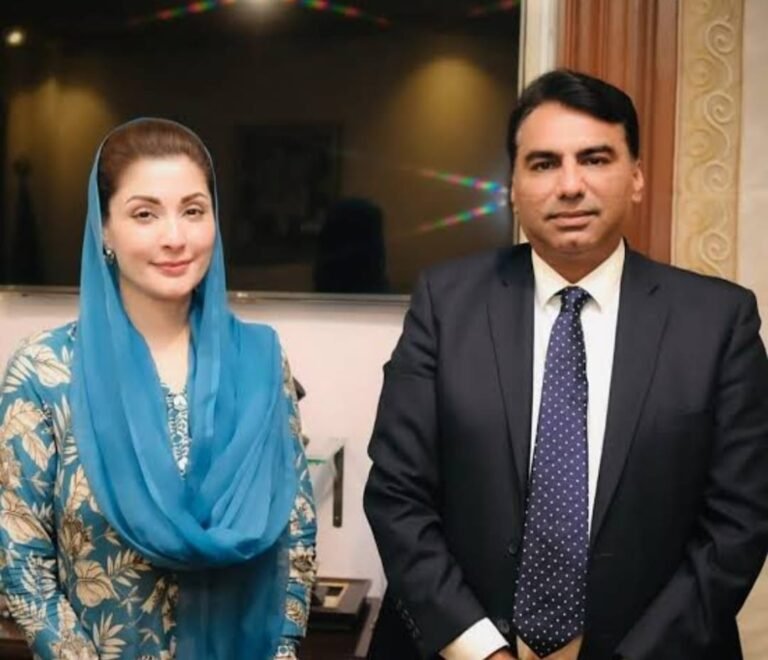
The tankers were believed to be Pakistani-flagged. Trump said he spotted the news on Fox News, remarking, “I guess we’re dealing with the right people.” (Voice of America)
The disclosure came as Trump’s special envoy Steve Witkoff acknowledged the U.S. had presented a 15-point action list to Iranian leadership as a path toward ceasefire — a plan Iran rejected, countering with demands including war reparations and sovereignty over the Strait of Hormuz.
The waterway, through which 20% of the world’s traded oil and gas normally passes, has been reduced to a trickle since U.S.-Israeli strikes triggered the conflict. Brent crude surged to $108 per barrel Thursday — up 48% since the war began — while U.S. gasoline prices hit a national average of $3.98 per gallon, a dollar higher than pre-war levels.
Trump simultaneously warned that U.S. strikes on Iranian power plants will proceed at 8 p.m. ET on April 6 if the Strait is not fully reopened, while also claiming Iran is “begging to make a deal.”
Iran’s leadership has disputed claims of direct negotiations, calling it a coordinated “jawboning” campaign to suppress oil prices, highlighting a stark divergence between futures markets and the physical energy market.