1366x768 cmsv2 1d9ca39a a1f0 5fd6 9bf4 e75c1f3c40b1 9423756

Similar Posts

  • Punjab Leads in Governance and Development as Over 100 Projects Launched: Azma Bokhari

    By Farzana Chaudhry, Lahore PakistanLAHORE: Provincial Minister for Information and Culture Punjab, Azma Bokhari, has stated that Punjab is outperforming all other provinces in governance and development under the leadership of Chief Minister Maryam Nawaz.She remarked that Maryam Nawaz is serving the people with dedication and compassion, likening her approach to that of a caring…

  • Annual Results Ceremony Held at Hidayat Ismail School in Lahore

    By Farzana Chaudhry | Lahore, PakistanLAHORE: The Annual Results Announcement Ceremony was held at Hidayat Ismail School, marking a vibrant celebration of academic excellence and student achievements.The event was attended by distinguished guests including Prof. Dr. Masood Sohail as the chief guest, Ms. Imrana Kaneez (Founder of Hidayat Ismail School), Kashif Ahmed Sabzwari (Vice President,…

  • Punjab Police Intensify Action Against Organised Crime GroupsNine operatives of four gangs arrested in 24 hours; weapons, vehicles and cash seized

    ByMuhammad Shahzad | Lahore, PakistanLAHORE: Punjab Police have intensified operations against organised criminal groups across the province, including Lahore, resulting in the arrest of nine operatives belonging to four gangs over the past 24 hours.According to a Punjab Police spokesperson, security forces recovered 93 weapons, including Kalashnikov rifles, pistols, rifles, revolvers and shotguns, along with…

  • Madonna, Shakira & BTS to Headline FIFA World Cup Final Halftime Show

    In an unprecedented musical spectacle, pop legend Madonna, global superstar Shakira, and South Korean sensations BTS have been confirmed to perform at the halftime show of the FIFA World Cup Final 2026 — marking the first time the tournament will feature a full Super Bowl-style entertainment extravaganza.The lineup brings together three generations of global music…

  • Loose edible oil: A health bomb in Pakistan’s market

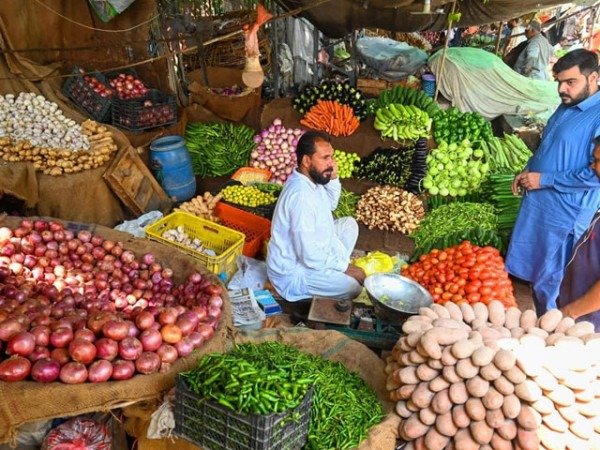
    KARACHI: Approximately 30 per cent of edible oil consumed in Pakistan annually — more than 4.5 million tonnes — comprises unbranded, loose oil, primarily found in semi-urban and rural areas. In these regions, affordability often outweighs concerns about the oil’s quality, exposing millions to significant health risks.

    The loose oil, typically sold in bulk without proper packaging or labelling, often contains harmful chemicals, impurities, and biological contaminants. These pose serious health threats, including cardiovascular diseases, strokes, and brain disorders, experts warn.

    This issue was highlighted during a recent consultative meeting on edible oil regularisation, organised by Nutrition International (NI), a Canadian organisation. Mueen Qureshi, a representative from NI, noted that between 40pc and 45pc of Pakistan’s low-income population relies on this informal sector for their oil supply.

    Dr Hasan Orooj, NI’s Technical Consultant, pointed out that Sindh is home to 33 loose oil mills, with the majority located in Karachi, followed by Hyderabad and Sukkur. Balochistan, on the other hand, has only two mills, relying heavily on oil from Sindh, with smuggled Iranian oil also finding its way into the local market.

    Consensus has been reached to bring the sale of loose edible oil into a regulatory framework, requiring sealed packaging, licencing and traceability

    Dr Orooj emphasised that Iranian oil is 100pc fit for consumption, whereas samples from Sindh and Punjab have failed health tests.

    Pakistan ranks as the eighth-largest consumer of edible oil globally, with per capita consumption at 22 kg annually. While branded oils undergo rigorous refining processes, including filtration, deodorisation, and neutralisation, loose oil is often produced without such safeguards. It is commonly stored in unsterilised containers and transported under unsanitary conditions, making it highly prone to contamination and oxidation.

    The price difference between loose and branded oil is considerable. Loose oil, which lacks essential vitamins A and D, costs between Rs1,000 and Rs1,500 for a 5-litre container, while branded oil is priced around Rs2,700 for the same quantity.

    However, the quality of loose oil is compromised due to high levels of trans fats, oxidised lipids, and other toxic compounds formed during improper processing. Trans fats, known for raising bad cholesterol (LDL) while lowering good cholesterol (HDL), significantly increase the risk of heart disease. Additionally, the common practice of reheating oil, particularly in Pakistani and South Asian cooking, further degrades its quality, producing carcinogenic substances like acrylamide and polycyclic aromatic hydrocarbons (PAHs).

    Dr Orooj explained that proper refining processes remove free fatty acids, eliminate gums, and neutralise unpleasant odours, ensuring the oil is safe for consumption. In contrast, unrefined oils retain higher levels of pesticides and aflatoxins, both of which are linked to liver damage and cancer.

    Regulating edible oil sector

    He also pointed to successful regulatory transitions in India and other Asian nations, where informal oil markets were brought into formal regulatory frameworks through government intervention. As part of the proposed solution, Dr Orooj called for the establishment of a “Regularisation Compliance Committee” (RCC) to oversee the registration and regulation of loose oil vendors.

    The committee, which would include representatives from SFA, Nutrition International, Karachi University, and other bodies, would oversee the completion of the necessary legal and safety requirements.

    Dr Seema Ashraf of the Sindh Food Authority (SFA) noted that while over 54 PSQCA standards exist for various edible oils, Codex standards specific to cold-pressed and expressed oils (e.g., mustard, sesame, sunflower) are yet to be adopted. She urged the implementation of these standards or the development of provincial regulations to fill the gap.

    Mr Farhan, Chairman of the Karachi Edible Oil Association (KEOA), acknowledged the health risks associated with loose oil but emphasised the sector’s importance in supporting millions of consumers and livelihoods. He suggested that a formal licensing and registration system be introduced, allowing small producers to comply with safety and quality benchmarks.

    A consensus emerged at the meeting, with stakeholders agreeing that all edible oils should be sold in sealed, labelled packaging with traceable batch numbers. Loose oil, under current regulations, should be considered non-edible, and vendors must adhere to standards set by PSQCA or Codex Alimentarius. In addition, licensing and registration should apply to wholesalers, distributors, and small-scale processors, and the sale of unbranded oils should be phased out through a clear regulatory framework.

    Dr S. M. Ghufran Saeed, from the University of Karachi’s Department of Food Science and Technology, raised concerns about the lack of traceability and labelling of loose oils, which often leads to adulteration with hazardous substances, such as recycled frying oils or even industrial-grade fats.

    He recommended a complete ban on the commercial sale of loose oils, which currently operates in a regulatory grey area, and called for a nationwide enforcement of formal licensing procedures.

    Dr Umar Mukhtar Tarar from PCSIR Karachi proposed categorising stakeholders into distinct regulatory groups, each requiring tailored measures. He stressed the importance of monitoring inter-provincial trade and the movement of substandard oils through joint inspection teams.

    Ms Farah Athar from the Punjab Food Authority (PFA) recommended that the sale of loose oils be banned by the SFA after a three-month transition period, with small vendors allowed to continue operating under regulated conditions. She also called for mandatory labelling requirements to ensure compliance with national food safety standards.

    Dr Ahmed Ali Sheikh, representing the Sindh Food Authority, concluded that the government is committed to regulating the loose oil sector and is prepared to support sellers through the registration and regularisation process.

    As Pakistan grapples with the health and economic implications of loose edible oils, the need for urgent reform is clear. The collective efforts of regulators, academics, and industry representatives are crucial to safeguarding public health and ensuring that the edible oil sector transitions into a more formal, regulated framework.

    Published in Dawn, August 10th, 2025

  • Germany Crowned EuroBasket 2025 Champions in Riga

    Riga, World champions Germany defeated Turkey 88-83 in the EuroBasket 2025 final on Sunday, claiming the continental title in Riga. Germany, who entered the tournament as reigning FIBA World Cup holders, held off a strong Turkish challenge in a closely fought contest to secure their second EuroBasket crown. The victory further cements Germany’s status as…