Germany Offers Mine-Clearing Vessels and Divers for Strait of Hormuz Clearance
Berlin, — Germany has announced its intention to contribute specialized mine-clearing vessels and combat divers to help clear naval mines from the Strait of Hormuz once active hostilities cease and a stable ceasefire is fully in place.Chancellor Friedrich Merz and Defence Minister Boris Pistorius emphasized that Germany’s participation would be strictly limited to post-conflict mine…
Berlin, — Germany has announced its intention to contribute specialized mine-clearing vessels and combat divers to help clear naval mines from the Strait of Hormuz once active hostilities cease and a stable ceasefire is fully in place.
Chancellor Friedrich Merz and Defence Minister Boris Pistorius emphasized that Germany’s participation would be strictly limited to post-conflict mine countermeasures (MCM) operations. Germany will not deploy warships for escort duties or engage in any combat roles during the ongoing tensions. Officials have stressed the need for a clear international mandate, preferably from the United Nations Security Council, for any such mission.db8759
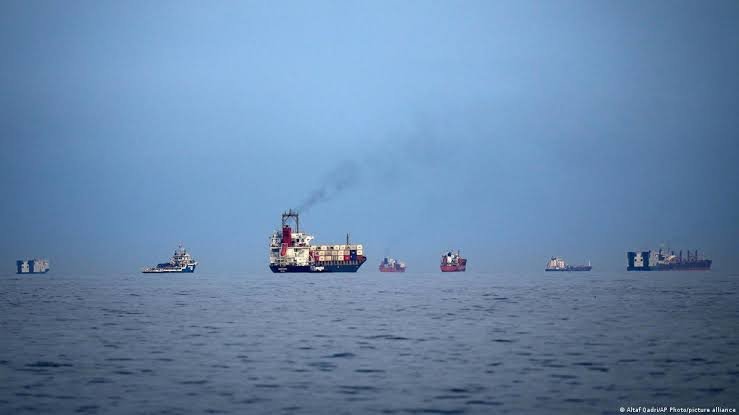
This offer aligns with Germany’s expertise in underwater ordnance disposal and comes amid a fragile U.S.-Iran ceasefire that took effect earlier this week. Despite the truce, shipping through the strait remains severely restricted due to reported mines, Iranian routing instructions, and high “tolls,” keeping global oil and LNG flows far below normal levels.
Over 40 Countries Discuss Contributions to Peace Efforts
In a related development, the United Kingdom convened a virtual meeting on April 2, 2026, bringing together representatives from more than 40 countries (reports cite up to 41 nations from every continent except Antarctica) to coordinate diplomatic, economic, and practical measures aimed at reopening the Strait of Hormuz.81e097
Hosted by UK Foreign Secretary Yvette Cooper, the talks focused on pressuring Iran to restore freedom of navigation and exploring how participating nations could contribute to safe passage once the hot phase of the conflict ends. A joint statement signed by many of the countries, including France, Germany, Italy, Japan, Canada, and the UAE, condemned Iran’s actions and pledged support for “appropriate efforts” to ensure secure maritime transit.
The discussions highlighted a preference for multilateral, rules-based solutions rather than immediate military escalation. Several European nations, including Germany, have reiterated their readiness to support mine clearance and related operations only after a durable peace arrangement is secured.
The Strait of Hormuz, which carries around 20% of the world’s oil and significant LNG supplies, has seen drastically reduced traffic since Iran’s effective blockade and reported mining activities during the U.S.-Israel-Iran conflict. Experts warn that even a small number of mines could require weeks or months of specialized clearance work involving vessels, remotely operated vehicles, sonar, and divers.
Restoring full operations in the strait is seen as critical to stabilizing global energy prices and preventing further disruptions to food and fertilizer supplies worldwide.