Skilled Workforce Foundation of a Strong Economy, Says Lahore Chamber of Commerce and Industry PresidentSchool-Level Skill Program to Benefit 1.4 Million Students
By Muhammad Shahzad | Lahore, PakistanLAHORE: Secretary Education Muddassir Riaz Malik has announced the launch of a comprehensive skill-based training program at the school level across Punjab, aimed at equipping students with practical skills and preparing them for the job market. The initiative, introduced under the vision of the Chief Minister Punjab, is expected to…
By Muhammad Shahzad | Lahore, Pakistan
LAHORE: Secretary Education Muddassir Riaz Malik has announced the launch of a comprehensive skill-based training program at the school level across Punjab, aimed at equipping students with practical skills and preparing them for the job market. The initiative, introduced under the vision of the Chief Minister Punjab, is expected to benefit approximately 1.4 million students in its initial phase.
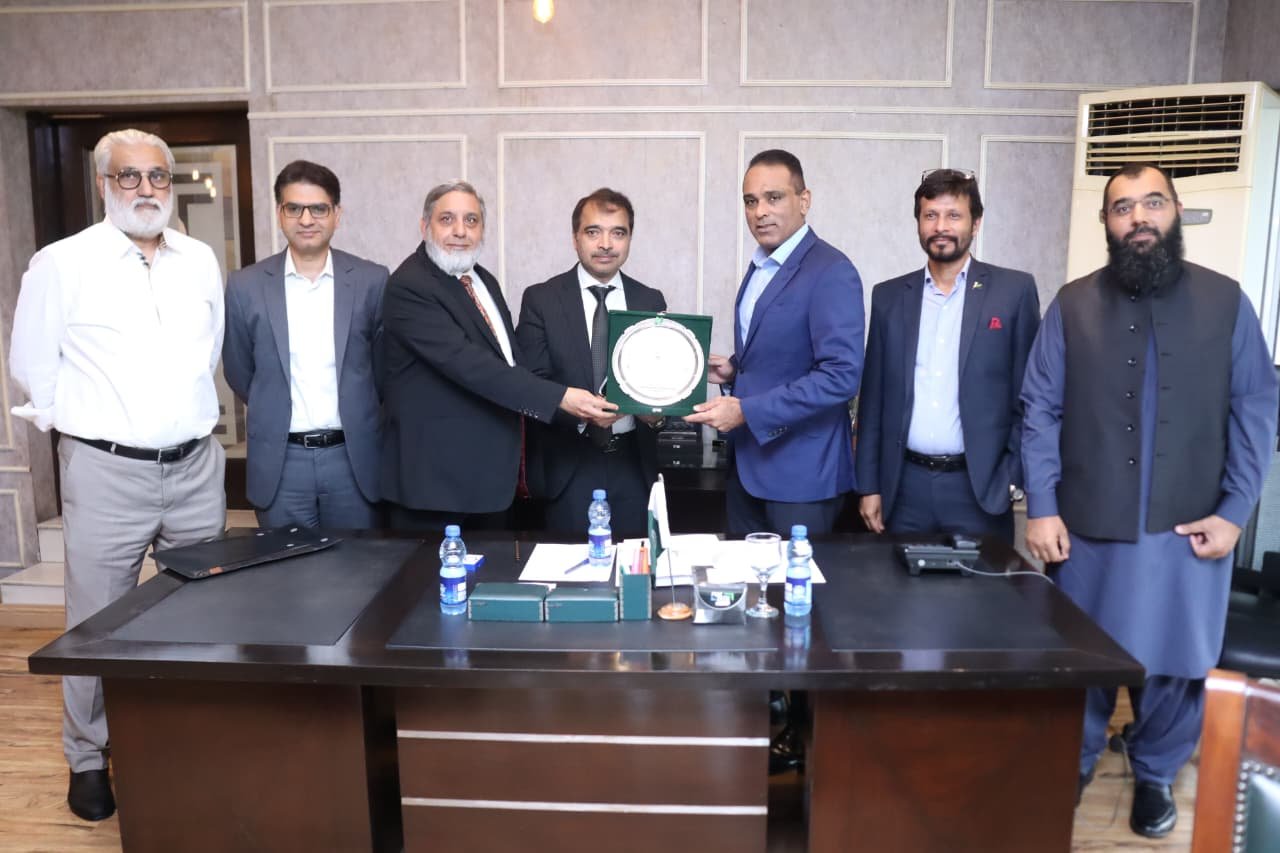
He shared these views during his visit to the Lahore Chamber of Commerce and Industry, where he met LCCI President Faheem ur Rehman Saigol. Senior Vice President Tanveer Ahmad Sheikh, Executive Committee Member Rana Nisar, and Convener Umer Saleem were also present.
Speaking on the occasion, Faheem ur Rehman Saigol emphasized that a skilled workforce is the backbone of a strong economy. He stated that the business community would fully support initiatives promoting skill-based education, noting that the global trend is rapidly shifting from degree-oriented systems to skill-driven models. He stressed the importance of strengthening linkages between industry and academia to align education with market needs.
Muddassir Riaz Malik explained that under the program, students will begin formal skills training from grade 9. The initiative aims to ensure that students who discontinue their education after matriculation still possess practical skills to enter the workforce. He highlighted that nearly 38.8 percent of students drop out after grade 10, posing a major challenge.
The program will be implemented in 9,141 schools across Punjab, with three classes per week, enabling students to complete approximately 120 hours of training over two years. Participation will be mandatory, and students will receive an additional 20 marks in matriculation as part of the initiative.
The Secretary Education further stated that the training will cover diverse fields including IT and Artificial Intelligence, healthcare, culinary skills, electrical work, plumbing, and other trades. Future expansions may include sectors such as electric vehicles, sports goods, footwear, and garments.
He underscored the importance of industry collaboration, particularly through internships and apprenticeships, to ensure the program’s effectiveness. A comprehensive database will also be developed to track students’ progress and career pathways, aligning training with district-level industrial needs.
Referring to international models, he noted that countries like India and China have successfully implemented similar systems, reflecting a global shift towards skills-based education.
Highlighting Pakistan’s industrial resilience, he remarked that despite global disruptions, the country’s industry continued operations, contributing to increased exports and job creation. However, he acknowledged that economic uncertainties can still impact industrial hubs and business activities.
The meeting concluded with a consensus that effective implementation of the skill-based program, supported by active industry participation, can significantly reduce unemployment, empower youth, and strengthen the national economy.