Iran Prepares Bill to Legalize Toll Charges on Vessels Passing Through Strait of Hormuz
TEHRAN — Iran has drafted a significant piece of legislation that would legally authorize the collection of fees from international commercial vessels transiting the Strait of Hormuz, in exchange for security services and navigational assistance provided by Iranian authorities.According to sources within the Iranian parliament, the proposed bill would grant Iranian maritime officials the formal…
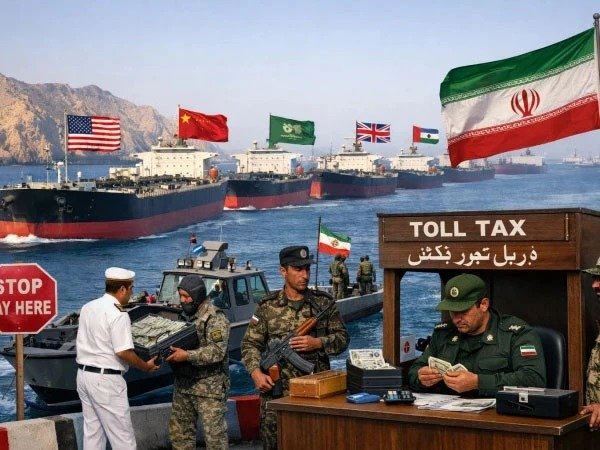
TEHRAN — Iran has drafted a significant piece of legislation that would legally authorize the collection of fees from international commercial vessels transiting the Strait of Hormuz, in exchange for security services and navigational assistance provided by Iranian authorities.
According to sources within the Iranian parliament, the proposed bill would grant Iranian maritime officials the formal legal power to impose transit tolls on ships passing through the strait, covering services such as naval surveillance, security escorts, and passage coordination. Once ratified, the framework would institutionalize what Iran describes as legitimate compensation for services rendered in its territorial waters.
The Strait of Hormuz is one of the world’s most strategically vital waterways, through which approximately 20% of the global oil supply passes daily. The exports of major Gulf oil producers — including Saudi Arabia, the United Arab Emirates, Kuwait, and Iraq — rely heavily on this narrow passage to reach international markets, making any disruption or additional cost highly consequential for global energy prices.
Energy analysts warn that if enacted, the law could have far-reaching implications for global oil markets. The additional financial burden imposed on shipping companies would likely be passed on to end consumers in the form of higher fuel and commodity prices worldwide.
The move has drawn immediate concern from the United States, the European Union, and Gulf Cooperation Council (GCC) member states. International maritime law experts have pointed out that under the United Nations Convention on the Law of the Sea (UNCLOS), all nations enjoy the right of transit passage through international straits — a principle that Iran’s proposed legislation could directly violate.
Geopolitical analysts view the bill as part of Iran’s broader strategy to assert dominance over the strait, particularly amid escalating tensions with Western powers over its nuclear programme and regional influence. The international community is expected to mount strong diplomatic opposition should the legislation move toward formal enactment.