Pentagon Chief Says Iran War Could Continue Beyond Legal Deadline; White House to Decide
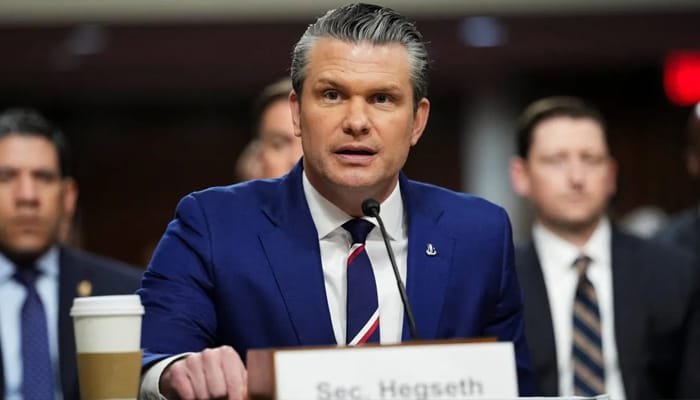
WASHINGTON: US Secretary of Defense Pete Hegseth testified before the Senate Armed Services Committee on Friday, asserting that military operations against Iran could extend beyond the legally mandated 60-day limit under the War Powers Act, and that any decision regarding the war’s conclusion or congressional authorization would rest solely with the White House.Hegseth argued that…
WASHINGTON: US Secretary of Defense Pete Hegseth testified before the Senate Armed Services Committee on Friday, asserting that military operations against Iran could extend beyond the legally mandated 60-day limit under the War Powers Act, and that any decision regarding the war’s conclusion or congressional authorization would rest solely with the White House.
Hegseth argued that operational pauses in hostilities could effectively reset or nullify the 60-day clock enshrined in the War Powers Resolution, which requires the president to either end military action or seek formal congressional approval within that timeframe. His remarks have raised significant constitutional concerns among lawmakers over the executive branch’s unchecked war-making authority.
Meanwhile, a sixth Democratic attempt to curtail President Trump’s war powers over Iran ended in failure on the Senate floor. A resolution introduced by California Senator Adam Schiff, aimed at directing the president to withdraw US forces following the Iran conflict, was defeated by a vote of 50 to 47, falling short of the threshold needed for passage.
The setback marks a continued pattern of Republican unity in blocking congressional oversight of the administration’s military strategy in the Middle East, even as questions mount over the legal and constitutional framework governing the ongoing hostilities with Tehran.
Analysts warn that the administration’s interpretation of the War Powers Act could set a significant precedent, effectively granting the executive branch broad and unchecked authority to sustain military engagements without legislative approval.