
Iran Announces New Law for Strait of Hormuz: Israeli Ships Permanently Banned, Enemy Nations to Pay War Reparations
TEHRAN/WASHINGTON — Iran has announced plans to introduce a sweeping new law governing the Strait of Hormuz, permanently barring Israeli vessels and imposing war reparation fees on ships from nations deemed hostile, Iranian officials confirmed Sunday.Ali Nikzad, First Deputy Speaker of the Iranian Parliament, revealed the 12-point plan during a visit to Bandar Abbas, stating…
TEHRAN/WASHINGTON — Iran has announced plans to introduce a sweeping new law governing the Strait of Hormuz, permanently barring Israeli vessels and imposing war reparation fees on ships from nations deemed hostile, Iranian officials confirmed Sunday.
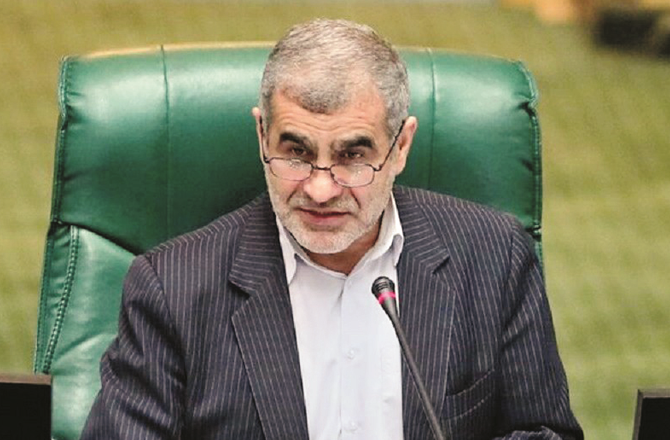
Ali Nikzad, First Deputy Speaker of the Iranian Parliament, revealed the 12-point plan during a visit to Bandar Abbas, stating that Israeli ships would face a permanent ban from transiting the strait under any circumstances. Ships from other enemy states — a term Iranian officials have historically used for the US and some of its Arab allies — would only be permitted passage upon payment of war damages.
Mohammad Reza Rezaei, head of the Iranian Parliament’s Reconstruction Committee, went further, declaring that “controlling the Strait of Hormuz is more important than acquiring nuclear weapons.” Under the proposed framework, 30% of all fees collected from passing vessels would be directed toward strengthening Iran’s military infrastructure.
The strait has remained effectively closed for two months since Iran launched retaliatory strikes against Arab neighbours in the Persian Gulf — disrupting nearly 20% of the world’s oil and gas supplies.
However, a parallel diplomatic signal has emerged. The Wall Street Journal reports that Iran has softened its position, indicating willingness to negotiate if the US guarantees a halt to attacks and lifts the blockade on the strait. New proposals relayed to Washington via Pakistan suggest Iran is open to talks, though discussions on its nuclear and missile programmes remain deferred.
The developments paint a picture of a nation simultaneously escalating its legal posture while quietly leaving the door open to diplomacy.


