LCCI President Urges End to High Taxes
By Muhammad Shahzad | Lahore, PakistanLAHORE: A meeting of the Senate Standing Committee on Finance was held at the Parliament House under the chairmanship of Saleem Mandviwalla to review pre-budget proposals.President Lahore Chamber of Commerce and Industry (LCCI) Faheem Ur Rehman Saigol, along with presidents of major chambers from across the country, attended the session…
By Muhammad Shahzad | Lahore, Pakistan
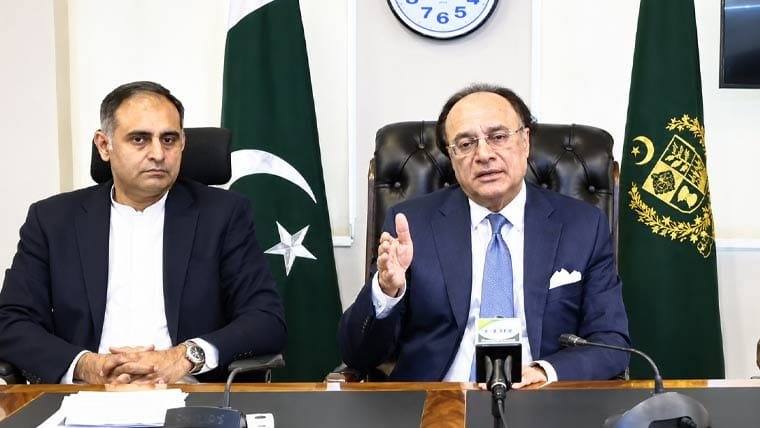
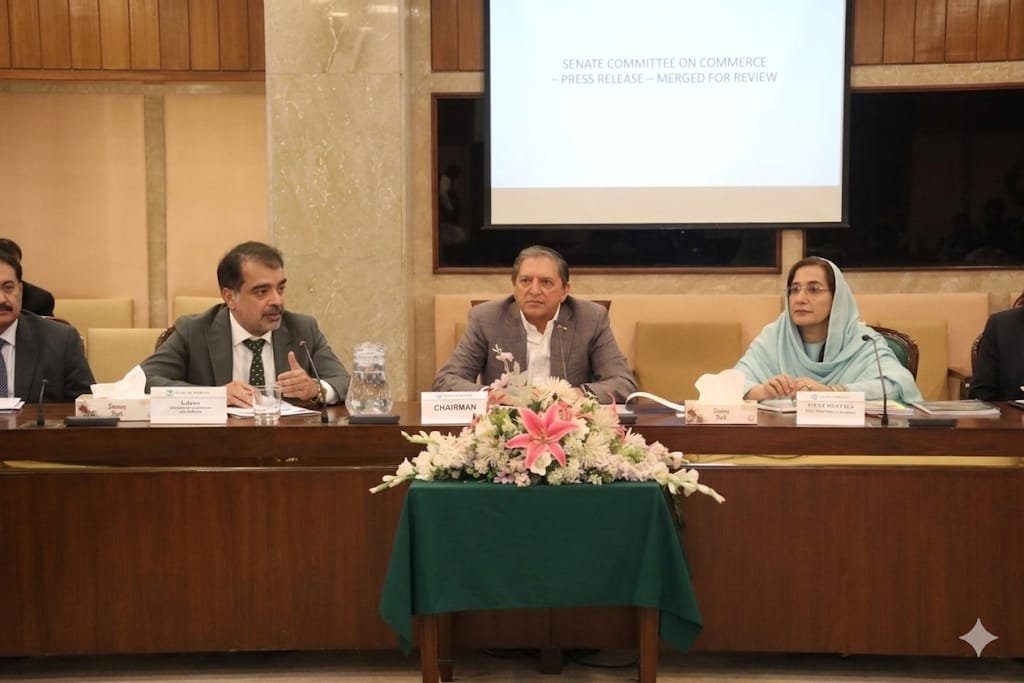
LAHORE: A meeting of the Senate Standing Committee on Finance was held at the Parliament House under the chairmanship of Saleem Mandviwalla to review pre-budget proposals.
President Lahore Chamber of Commerce and Industry (LCCI) Faheem Ur Rehman Saigol, along with presidents of major chambers from across the country, attended the session aimed at incorporating input from the business community ahead of the federal budget.
Chairman Saleem Mandviwalla stated that the purpose of the meeting was to address economic anomalies before the upcoming budget. Representatives from the Ministries of Commerce, Finance, and Customs were also present.
Addressing the committee, Faheem Ur Rehman Saigol highlighted that Pakistan is currently facing a phase of de-industrialization driven by the high cost of doing business, excessive taxation, and continuously rising electricity and gas tariffs. He noted that these factors have significantly weakened industrial competitiveness and discouraged investment.
He pointed to the misuse of the Export Facilitation Scheme (EFS), urging the government to introduce strict monitoring mechanisms to ensure that only genuine exporters benefit from the scheme. He stressed that export-led growth cannot be achieved without addressing structural distortions in taxation and tariff regimes.
The LCCI President also emphasized the urgent need to prioritize human capital development in the upcoming budget. He said Pakistan’s youth must be equipped with modern technical and vocational skills to compete globally, warning that without investment in productivity and skills, sustainable economic growth would remain unattainable.
He further called for the restoration of the Final Tax Regime, reduction in corporate tax rates, and removal of additional tax burdens. According to him, a stable, predictable, and business-friendly policy environment is essential to revive industrial activity and boost exports.
The session focused on bridging the gap between policymakers and the business community, with participants agreeing that practical and implementable recommendations should be forwarded to the government.
Senators and officials observed that Pakistani businesses are facing increasing challenges in international markets due to high tariffs, duties, and an unfavorable tax structure. They noted that, unlike competing economies, Pakistan imposes multiple taxes on exports, undermining competitiveness.
Following detailed deliberations, the committee recommended rationalization of the taxation system, removal of anomalies including the super tax, and adoption of policy measures aimed at enhancing export competitiveness and supporting sustainable economic growth.