Medicine Crisis Hits Major Government Hospitals in Rawalpindi, Pakistan
Rawalpindi, Pakistan – Three major public sector hospitals in Rawalpindi are facing a severe financial crisis due to outstanding payments of approximately 2.2 billion rupees to medicine suppliers and insufficient government funding. This situation threatens the provision of free medicines and essential healthcare services to thousands of patients daily.According to reports, the hospitals — Holy…
Rawalpindi, Pakistan – Three major public sector hospitals in Rawalpindi are facing a severe financial crisis due to outstanding payments of approximately 2.2 billion rupees to medicine suppliers and insufficient government funding. This situation threatens the provision of free medicines and essential healthcare services to thousands of patients daily.
According to reports, the hospitals — Holy Family Hospital, Benazir Bhutto General Hospital, and Rawalpindi Teaching Hospital — are struggling to maintain supplies as pharmaceutical companies grow reluctant to provide medicines, medical gases, and consumables on credit due to mounting unpaid bills.
Holy Family Hospital alone owes nearly 900 million rupees, Benazir Bhutto General Hospital around 850 million rupees, and Rawalpindi Teaching Hospital approximately 270 million rupees.
In the final weeks of the previous financial year, the Punjab government released only 130 million rupees for medicines: 60 million to Holy Family Hospital, 50 million to Benazir Bhutto General Hospital, and 20 million to Rawalpindi Teaching Hospital. This amount is far below the actual requirements.
Funding Shortfall in FY 2025-26
For the current financial year 2025-26, the funding gap remains alarming:
Holy Family Hospital requested 1.5 billion rupees but received only 400 million rupees.
Benazir Bhutto General Hospital also sought 1.5 billion rupees and was allocated 380 million rupees.
Rawalpindi Teaching Hospital requested 800 million rupees but got just 230 million rupees.
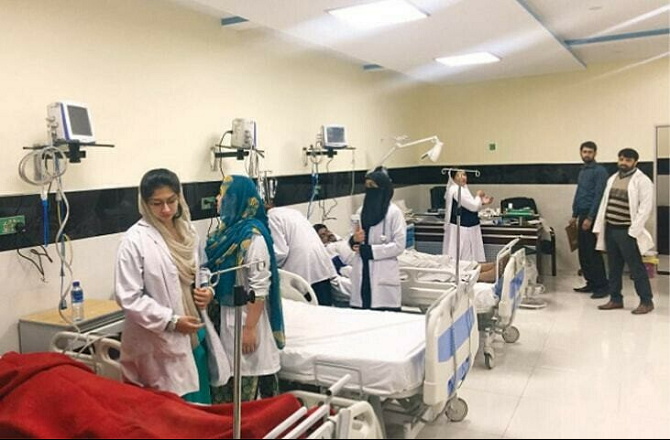
These three hospitals collectively manage over 2,580 beds and provide emergency, outpatient, and inpatient services to more than 10,000 patients daily. They also cater to patients from Islamabad, Azad Jammu & Kashmir (AJK), Gilgit-Baltistan (GB), and other parts of Rawalpindi Division.
Health experts and hospital administrators warn that the widening gap between rising healthcare demand and limited government funding is putting immense pressure on Pakistan’s public health system. The crisis raises serious concerns about the sustainability of free medical treatment for the poor and the overall resilience of the public healthcare infrastructure.
Pharmaceutical suppliers have expressed concerns over delayed payments, which may further disrupt the supply chain in the coming months.