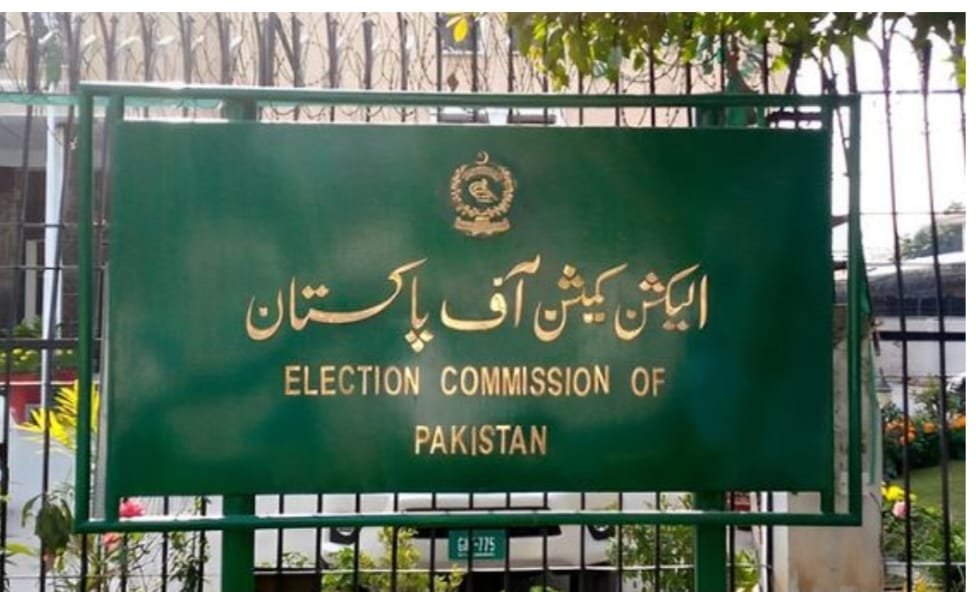
LG Polls in Capital, Punjab and KP Move Closer as ECP Accelerates Preparations
By Muhammad ShahzadLahore, Pakistan LAHORE: The Election Commission of Pakistan (ECP) has stepped up preparations for local government (LG) elections in the federal capital, Punjab, and Khyber Pakhtunkhwa (KP), reaffirming its readiness to conduct the polls in accordance with constitutional requirements. In Islamabad, the delimitation process is set to begin on August 1, 2026, following…
By Muhammad Shahzad
Lahore, Pakistan
LAHORE: The Election Commission of Pakistan (ECP) has stepped up preparations for local government (LG) elections in the federal capital, Punjab, and Khyber Pakhtunkhwa (KP), reaffirming its readiness to conduct the polls in accordance with constitutional requirements.
In Islamabad, the delimitation process is set to begin on August 1, 2026, following the completion of training for delimitation committees. The Deputy Commissioner has provided the required maps, and the exercise will continue until October 13, 2026. The ECP has also submitted its recommendations on the draft Local Government Conduct of Election Rules to the Ministry of Interior and the Chief Commissioner Islamabad, urging their immediate notification to facilitate the printing of election materials and other logistical arrangements.
In Punjab, hearings on objections to the preliminary delimitations have been completed. Decisions on these objections will be conveyed to the delimitation committees by August 7, while the final delimitations will be published on August 17, 2026. The Commission will then consult the provincial government to finalize the election schedule. ECP officials said all necessary preparations are in place to ensure that local government elections are held on time.
In Khyber Pakhtunkhwa, delimitation has been completed in 23 districts, while work continues in the remaining seven districts. A consultative meeting was held on July 14, 2026, between the ECP, the Chief Secretary, and the Secretary of Local Government under Section 219(3) of the Elections Act, 2017. At the provincial government’s request, the Commission granted a 15-day extension to complete the exercise.
On July 21, 2026, the KP government amended Section 5(e) of the Khyber Pakhtunkhwa Local Government Act, increasing the population threshold for Village and Neighborhood Councils from 5,000–15,000 to 30,000–40,000. However, the number of seats specified in the Ninth Schedule remained unchanged, creating a legal inconsistency. The ECP informed the provincial government that the anomaly must be resolved before delimitation can proceed in the remaining districts.
Subsequently, on July 28, 2026, the Chief Secretary informed the Commission that the provincial government intends to amend the Ninth Schedule and requested an additional three weeks to complete the legislative changes. The ECP approved the extension while reiterating that it is fully prepared to conduct elections once the legal framework is finalized.
The Commission emphasized that under Article 219(d) and Article 140-A of the Constitution, as well as Section 219 of the Elections Act, 2017, it is constitutionally bound to hold local government elections within 120 days of the expiry of local bodies’ tenure. It noted that repeated amendments to local government laws by federal and provincial governments during or after the delimitation process have frequently delayed elections.
To avoid similar delays in the future, the ECP has proposed amendments to Article 140-A of the Constitution and Section 219 of the Elections Act, 2017, recommending that no changes to local government laws or administrative boundaries be made after the expiry of local bodies. It further suggested that any major legislative reforms should be completed at least one year before the end of the local governments’ tenure.
According to the ECP, these proposals were not adopted. The Ministry of Parliamentary Affairs, representing the federal government, maintained that legislation is the exclusive prerogative of Parliament and cannot be restricted. The Commission clarified that its recommendations were intended solely to ensure the timely conduct of local government elections and the fulfillment of its constitutional obligations.