Climate Crisis Is Wounding Minds, Not Just the Earth: Global Survey
The climate crisis is no longer limited to melting glaciers, wildfires, extreme heat, or floods — its impact is increasingly visible on human mental health as well. According to global research, a large proportion of young people worldwide are grappling with fear, helplessness, and despair about the future. Psychologists have termed this condition “eco-anxiety” —…
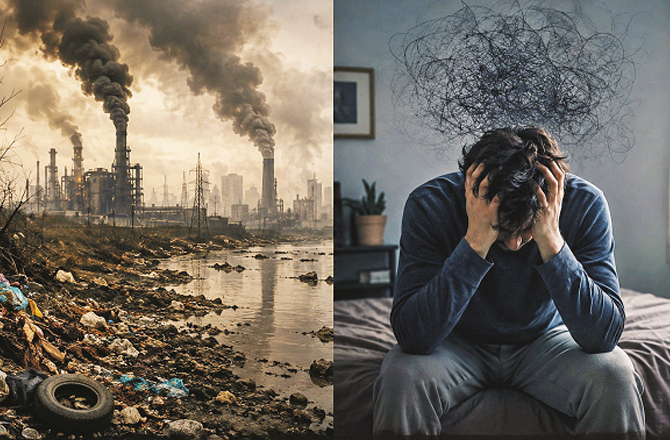
The climate crisis is no longer limited to melting glaciers, wildfires, extreme heat, or floods — its impact is increasingly visible on human mental health as well. According to global research, a large proportion of young people worldwide are grappling with fear, helplessness, and despair about the future. Psychologists have termed this condition “eco-anxiety” — the emotional distress and mental unease caused by ongoing concern over the climate crisis and rising natural disasters.
An international study published in The Lancet Planetary Health, surveying 10,000 young people aged 16 to 25 across 10 countries, highlights the severity of the issue. The report found that 59% of young people are “very” or “extremely” worried about climate change, while 75% said they find the future frightening. Forty-five percent admitted that these concerns are negatively affecting their daily life, education, work, and relationships. Some respondents even said they are reconsidering major life decisions such as marriage and having children because of the crisis.
Experts note that those who directly experience climate disasters — wildfires, floods, or hurricanes — suffer more intense forms of this distress, with higher risks of anxiety, depression, and PTSD. But eco-anxiety isn’t limited to affected regions; people who regularly consume distressing climate news and imagery on social media can experience it too.
The American Psychological Association and UNICEF have both warned that children and young people are among those most affected. Experts recommend seeking reliable information, taking breaks from negative news cycles, strengthening one’s connection with nature, and participating in collective environmental action to help reduce feelings of helplessness.
The United Nations and global health bodies are also urging that mental health be integrated into climate strategies — warning that ignoring the psychological toll could lead to a quiet but serious mental health crisis in the years ahead.