60-day US–Iran Memorandum Expires; Key Goals Unmet
Paris/Islamabad — The 60-day memorandum of understanding (MoU) between the United States and Iran, signed in Versailles on June 17, formally expired on Monday after failing to produce a broader settlement or secure key objectives. The MoU had aimed to turn a temporary ceasefire into a lasting agreement, but talks stalled and both sides accused…
Paris/Islamabad — The 60-day memorandum of understanding (MoU) between the United States and Iran, signed in Versailles on June 17, formally expired on Monday after failing to produce a broader settlement or secure key objectives. The MoU had aimed to turn a temporary ceasefire into a lasting agreement, but talks stalled and both sides accused each other of violating terms.
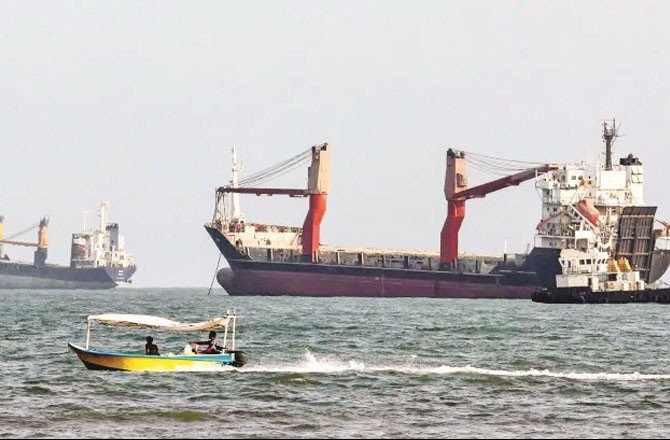
Under the deal, Washington and Tehran were given 60 days to negotiate a comprehensive agreement covering Iran’s nuclear program, implementation of a ceasefire, and the full reopening of the strategic Strait of Hormuz. None of those objectives were achieved in any meaningful way. The interim arrangement unraveled within weeks, direct talks broke down, and the U.S. naval blockade on Iranian ports remained in place. Maritime traffic through the Strait of Hormuz fell to a fraction of normal levels; only five cargo vessels are currently transiting the waterway compared with an estimated 130–140 daily during peacetime.
A core dispute centered on who would control maritime traffic and under what conditions the strait would be reopened. Iran insisted that reopening must be linked to the lifting of the U.S. blockade, while Washington rejected that demand and continued economic and military pressure on Tehran. Iran also sought a role in regulating traffic — and potentially charging fees — a provision Washington resisted.
The MoU’s collapse became apparent on July 8, when President Donald Trump declared the memorandum void at the NATO summit following Iranian attacks on vessels in and around the Strait of Hormuz. With the formal 60-day period now concluded, both sides remain entrenched, raising fresh uncertainty over the prospects for peace in the region.