US Prepares “Economic D-Day” Sanctions Package Against Iran
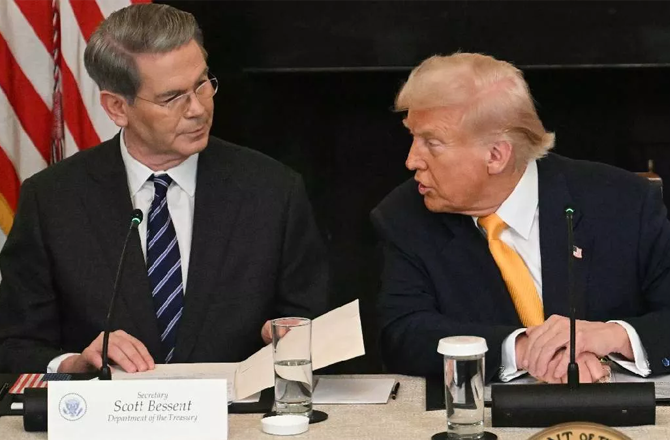
US Treasury Secretary Scott Bessent is expected to announce a new, tougher round of sanctions against Iran, targeting not just Tehran but also foreign banks, shipping companies, and exchange houses doing business with it. Washington has warned that countries and institutions continuing trade with Iran will also face consequences, while Tehran has rejected the threats…
US Treasury Secretary Scott Bessent is expected to announce a new, tougher round of sanctions against Iran, targeting not just Tehran but also foreign banks, shipping companies, and exchange houses doing business with it. Washington has warned that countries and institutions continuing trade with Iran will also face consequences, while Tehran has rejected the threats and warned of retaliation.
Bessent will hold a press conference at 2 p.m. Eastern Time on Monday. In a Sunday op-ed for the Financial Times, he called the plan the biggest financial strike ever launched against an adversary, saying the “economic D-Day” would begin “at dawn.” He argued Iran’s military has already suffered severe damage, and now the regime’s last refuge is the countries helping it evade sanctions. Anticipating the impact, global oil prices dropped Monday: US crude (WTI) fell about 1.3% to $85.93/barrel, while Brent crude fell 1.24% to $93.22/barrel.
The biggest open question is what China will do. China is Iran’s largest oil buyer — at times purchasing roughly 90% of Iran’s exports during the war. It’s unclear whether the new sanctions will target China directly, but a major crackdown on Chinese banks could escalate US-China tensions, especially with President Xi Jinping’s visit to the White House expected next month.
Iran has firmly rejected the US move. Foreign Ministry spokesman Esmaeil Baqaei said the sanctions amount to more than an economic attack — calling them an attempt by Washington to impose its authority on other sovereign nations. Foreign Minister Abbas Araghchi dismissed it as an “old script.” Mohsen Rezaei, the new hardline head of Iran’s Supreme National Security Council, warned neighboring countries against joining the US campaign, saying Iran could respond with “earth-shattering” retaliation if new sanctions are imposed.
The announcement comes as Iran’s economy is already under severe strain. The US-Israel-Iran war, which began February 28, killed thousands and damaged much of Iran’s infrastructure. A 14-point memorandum of understanding reached in Islamabad on June 17 has effectively collapsed, and fighting intensified again between July 8–24. By the end of 2025, Iran’s inflation had already topped 48%.
Diplomatic efforts continue in parallel: Pakistan’s Army Chief Field Marshal Asim Munir is visiting Tehran, while Egypt is working to restart US-Iran talks. Iranian President Masoud Pezeshkian said ending the war with dignity is preferable to prolonging it, while President Trump has said Washington is waiting for Iran’s next move, arguing Tehran isn’t yet ready for “the right deal.”