Iran Has Ample Foreign Currency: Central Bank Responds to Trump
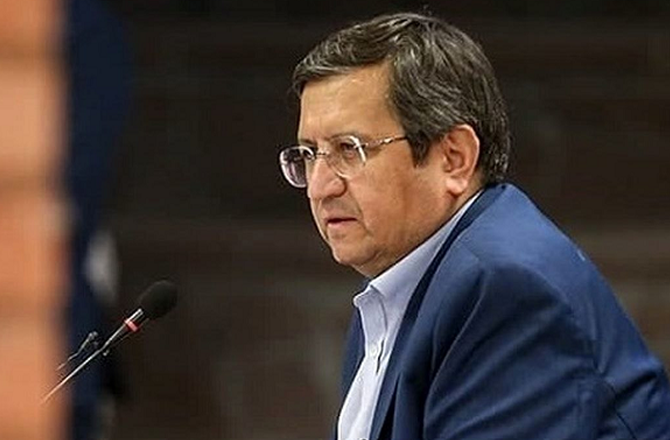
Governor of the Central Bank of Iran, Abdolnaser Hemmati, said on Tuesday that despite U.S. sanctions and mounting economic pressure, Iran holds substantial foreign currency reserves. Responding to claims by U.S. President Donald Trump, Hemmati said, “Iran has foreign currency, and it has plenty of it.”According to the semi-official Tasnim News Agency, speaking at a…
Governor of the Central Bank of Iran, Abdolnaser Hemmati, said on Tuesday that despite U.S. sanctions and mounting economic pressure, Iran holds substantial foreign currency reserves. Responding to claims by U.S. President Donald Trump, Hemmati said, “Iran has foreign currency, and it has plenty of it.”
According to the semi-official Tasnim News Agency, speaking at a conference in Tehran, Hemmati said the central bank stands ready to inject $2 billion into the currency market as the Iranian rial faces renewed pressure. He rejected U.S. claims that Iran’s economy is collapsing, saying the country continues to accumulate foreign currency income and receipts, and holds reserves and other resources whose details cannot be disclosed.
Hemmati said Iran’s economic system will continue to function despite new sanctions, attributing the rial’s recent decline largely to psychological factors. He also dismissed suggestions that Iran has entered a phase of hyperinflation, saying it remains unlikely despite high inflation and broad economic pressure. He acknowledged that unemployment has risen due to the war and damage to infrastructure, and said small and medium-sized businesses will receive priority financial support in the second half of the Iranian year.
These remarks come as the Iranian rial faces renewed pressure against the dollar amid intensified U.S. sanctions and the economic fallout of the U.S.-Israel war. Washington has recently expanded its economic pressure campaign against Iran, targeting key sources of Iranian revenue and international trade. Iran and the U.S. had signed a 14-point memorandum of understanding in June aimed at ending their war, but the interim agreement collapsed shortly afterward.