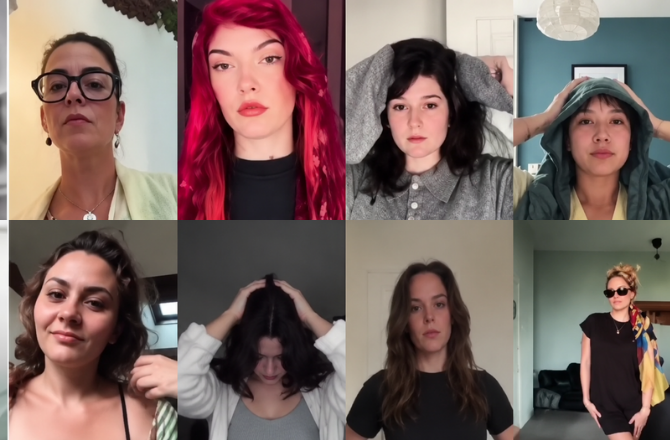
French Women Launch Headscarf Solidarity Campaign Against Far-Right Ban Proposal
Thousands post photos and videos wearing headscarves in protest of National Rally’s plan to fine women who wear hijab in public spaces; party says it will hold referendum if it wins 2027 presidential election French women have launched an online solidarity campaign against a far-right proposal to ban headscarves in public spaces, posting images of…
Thousands post photos and videos wearing headscarves in protest of National Rally’s plan to fine women who wear hijab in public spaces; party says it will hold referendum if it wins 2027 presidential election French women have launched an online solidarity campaign against a far-right proposal to ban headscarves in public spaces, posting images of themselves wearing head coverings in protest of the National Rally party’s discriminatory electoral pledge. Women participating in the initiative posted images of themselves wearing headscarves alongside messages of support for Muslim women. “In support of all our fellow citizens who wear headscarves,” read one caption, while another stated: “If this law passes, I will immediately wear a headscarf.” The campaign emerged amid growing criticism of the National Rally’s pledge to hold a referendum on banning headscarves in public spaces if the party secures victory in France’s 2027 presidential election. The initiative follows remarks by RN lawmaker Jean-Philippe Tanguy, who said during a television program that people wearing headscarves would face fines if his party wins next year’s presidential vote. “We will obviously fight Islamist ideology and we will penalize the wearing of the veil, also in solidarity with all the women around the world who are forced to wear it and who die for this freedom,” Tanguy told BFMTV. He compared the proposed penalty to fines imposed on drivers who do not wear seat belts. His comments drew widespread criticism in France, where the far-right party has already made banning headscarves in public spaces a central electoral pledge. The RN plans to put the proposed measure to a national referendum if it comes to power, according to party officials. Marine Le Pen confirmed the following day her intention to hold a referendum on the issue, framing it as part of her campaign against what she describes as “Islamist ideology.” The first round of France’s presidential election is scheduled for April 18, 2027, followed by a runoff on May 2, with President Emmanuel Macron constitutionally barred from seeking a third consecutive term. The proposal is dominating the French political news cycle and has drawn concerns even within Le Pen’s own ranks. France currently prohibits public employees from wearing visible religious symbols while performing their duties. Since 2004, students in public primary and secondary schools have also been banned from wearing conspicuous religious symbols — including Muslim headscarves. The government has expressed legal and practical reservations about the proposal. The government’s spokeswoman, following a Cabinet meeting at the Élysée Palace, indicated that imposing a comprehensive ban on the hijab in public spaces faces constitutional and practical obstacles.