Nepal Floods Devastate Jobs and Livelihoods, ILO Warns of Wider Crisis
The International Labour Organization (ILO) says the devastating floods in Nepal have severely hit jobs and livelihoods, with effects reaching well beyond the directly affected areas. Speaking at the launch of an impact assessment, ILO Nepal director Numan Ozcan said damage to transport, power infrastructure and trade routes could carry the crisis far afield through…
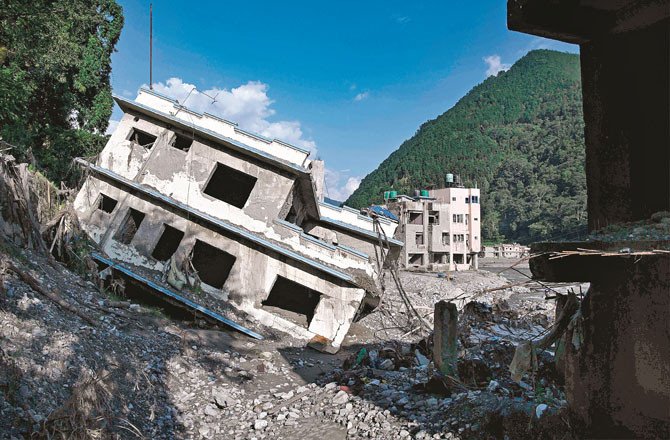
The International Labour Organization (ILO) says the devastating floods in Nepal have severely hit jobs and livelihoods, with effects reaching well beyond the directly affected areas. Speaking at the launch of an impact assessment, ILO Nepal director Numan Ozcan said damage to transport, power infrastructure and trade routes could carry the crisis far afield through supply chains, markets and related services.
Authorities report more than 1,450 people killed and 5,786 missing. The ILO estimates that 21,400 people were employed within 4 km of the flood-hit area, and their livelihoods have been badly disrupted, with access to workplaces, markets and essential services made difficult. Workers in tourism, agriculture, transport and small businesses, including trekking guides, porters, hotel staff and farm workers, face particular strain.
The ILO noted that informal employment is very high in Nepal, meaning many workers have limited incomes and no social protection. Daily-wage and casual workers, the self-employed, and small or home-based business owners are especially vulnerable. Women may face a double burden of lost paid work and increased unpaid care and household duties, while a sharp drop in household income could raise the risk of child labour as families send children to work instead of school.
The assessment also highlights disruption to the Nepal–China trade corridor. About 22% of trade from China into Nepal has flowed through the Rasuwa and Tatopani routes, where transport infrastructure was heavily damaged. Disruptions there could affect not only transport and border-related jobs but also workers and firms in construction, industry and agricultural processing. The ILO stressed that recovery and reconstruction efforts should protect livelihoods while helping people secure decent work.