Israel election: Eisenkot leads Netanyahu, but both blocs short of majority
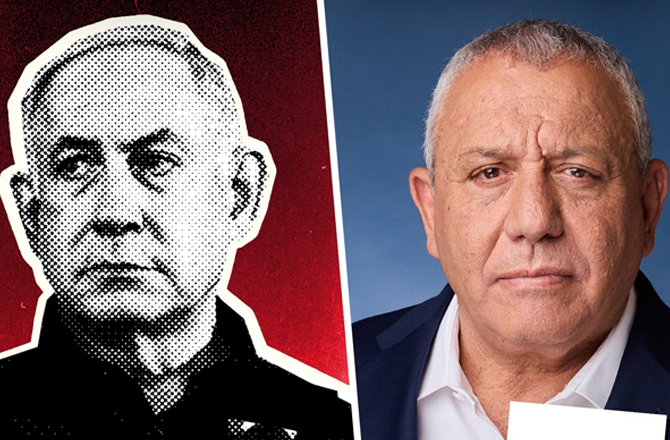
Jerusalem — Opposition leader and former army chief Gadi Eisenkot has overtaken Prime Minister Benjamin Netanyahu as the preferred prime minister ahead of Israel’s general election on October 27.According to a survey by Israel’s public broadcaster KAN, Eisenkot has 43 percent support compared with 38 percent for Netanyahu. However, both political blocs remain short of…
Jerusalem — Opposition leader and former army chief Gadi Eisenkot has overtaken Prime Minister Benjamin Netanyahu as the preferred prime minister ahead of Israel’s general election on October 27.
According to a survey by Israel’s public broadcaster KAN, Eisenkot has 43 percent support compared with 38 percent for Netanyahu. However, both political blocs remain short of the 61 seats needed to form a government in the 120-member Knesset.
The survey projects 22 seats for Eisenkot’s Yashar party and 20 for Netanyahu’s Likud. Netanyahu’s bloc is expected to win 53 seats overall, while the opposition alliance led by Eisenkot is projected to secure 50. The remaining 17 seats could go to parties outside the two main blocs.
Arab parties are projected to win 13 seats combined, including eight for the Joint List and five for Ra’am. Within Netanyahu’s bloc, Itamar Ben-Gvir’s Otzma Yehudit is projected to win nine seats, United Torah Judaism eight and Shas seven.
Voter uncertainty remains significant: 30 percent of respondents said they had not yet decided whom to vote for, while 21 percent said they were considering abstaining. Fifty-four percent supported a televised debate between Netanyahu and Eisenkot.
Political accountability over the October 7, 2023 attacks and subsequent wars remains a central election issue. Some affected families have demanded that the government accept responsibility for security failures and establish an independent commission of inquiry. Netanyahu has blamed security officials, while Eisenkot and former prime minister Naftali Bennett have pledged to establish an independent commission if they come to power.
With 15 days remaining until the election, Eisenkot’s personal lead has not yet translated into a clear parliamentary majority. The final outcome will depend on the October 27 vote and subsequent coalition negotiations.