Gambia’s first blind magistrate says system was built for sighted people
GAMBIA — Gambia’s first blind magistrate, Muhammed Krubally, has said the country’s judicial, educational and public systems were largely designed for sighted people, leaving blind and disabled citizens to face serious barriers in daily life.The 41-year-old became Gambia’s first visually impaired magistrate in 2016 and has since presided over more than 1,000 civil and criminal…
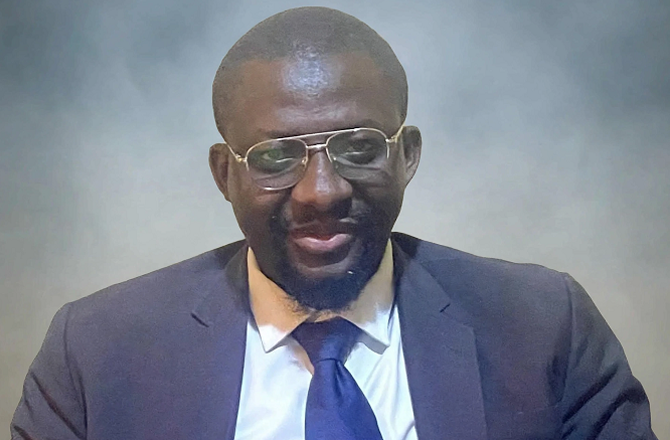
GAMBIA — Gambia’s first blind magistrate, Muhammed Krubally, has said the country’s judicial, educational and public systems were largely designed for sighted people, leaving blind and disabled citizens to face serious barriers in daily life.
The 41-year-old became Gambia’s first visually impaired magistrate in 2016 and has since presided over more than 1,000 civil and criminal cases. The Gambia Organisation of the Visually Impaired (GOVI) identifies him as the country’s first person with a visual impairment to hold the position.
In court, Krubally follows proceedings using the JAWS screen reader, AI-enabled smart glasses, courtroom audio cues, memory and support from his clerk. He says he became a magistrate to help make the system inclusive, but barriers persisted even after he joined the judiciary.
Gambia’s Persons with Disabilities Act, passed in 2021, guarantees principles including non-discrimination, full participation, equal opportunity, accessibility and access to justice. However, the National Human Rights Commission has identified discrimination and difficulties in accessing services, education and employment as continuing barriers for people with disabilities.
At GOVI’s Resource Centre for the Blind, 49 pupils aged between four and 14 are receiving specialised education. School head Lamin Colley said limited learning materials and the size of school clusters prevent special-needs teachers from providing adequate support to all students, while practical change since the disability law was passed has remained limited.
Gambia’s only blind former member of parliament, Endeh Yassin Secka-Sallah, also said that despite holding a parliamentary seat, the institution was not accessible and she had to rely on colleagues to follow proceedings. She said disabled people need independence and genuine inclusion, not special treatment.
Krubally said disability does not mean inability and that he wants a world where inclusion is guaranteed for everyone. Looking ahead, he said he sees possibilities rather than the barriers he has overcome.