Denmark: Ban on Hijab for Public Prosecutors in Court
COPENHAGEN: Denmark has issued new guidelines barring public prosecutors from wearing the religious hijab during court proceedings. Announced on November 25, the decision requires state prosecutors to appear religiously and politically neutral in court. Justice Minister Nicolai Wammen said the ban also covers religious headscarves, and has asked the Director of Public Prosecutions to issue…
COPENHAGEN: Denmark has issued new guidelines barring public prosecutors from wearing the religious hijab during court proceedings. Announced on November 25, the decision requires state prosecutors to appear religiously and politically neutral in court. Justice Minister Nicolai Wammen said the ban also covers religious headscarves, and has asked the Director of Public Prosecutions to issue new internal guidelines. He argued that just as professional judges must appear neutral, so should lawyers representing the state.
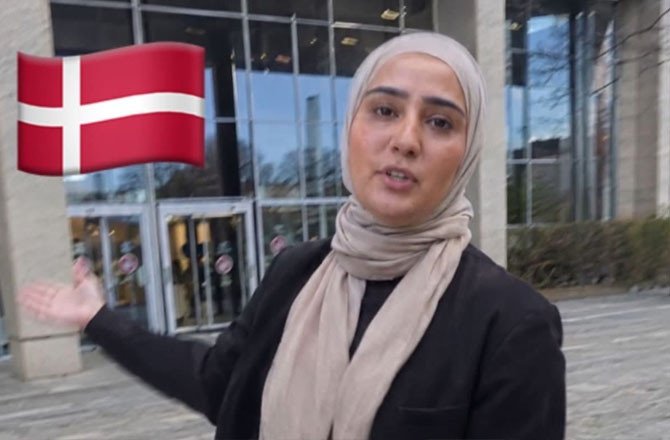
The move followed the case of Zahra Siddiqui, a prosecutor based in Viborg, who said on LinkedIn that she was Denmark’s first hijab-wearing public prosecutor. Her post sparked a debate on religious dress in judicial roles and the neutrality of state institutions. Denmark’s association of public prosecutors supported her at the time. Speaking to Al Jazeera, Siddiqui said a hijab does not affect a lawyer’s impartiality or professionalism, and that women should not be forced to choose between faith and career. She said true equality means judging women on their competence and integrity, not on what they wear.
The government has not set a final date for enforcement, and it is unclear what action would follow if a prosecutor refused to remove the hijab. The ban will be implemented through internal guidelines rather than new legislation, and will apply to prosecutors representing the state in criminal cases. Denmark has barred judges from wearing religious or political symbols since July 1, 2009. Critics argue that the roles of judges and prosecutors differ, questioning the need for an identical ban.
Meanwhile, Prime Minister Mette Frederiksen has backed a proposal from right-wing and far-right parties to ban the hijab in primary and lower secondary schools, having recently called it a “symbol of oppression.” She also questioned how such a ban could be enforced in a country that prizes religious freedom and free expression. The proposed ban for schools and universities has not become law. Civil rights activists say restricting hijabs dictates what women may wear and conflicts with principles of equality and personal freedom. Denmark also banned full-face veils, including the niqab and burqa, in public places in 2018.