Can America’s soft power be saved?
The United States has long been regarded as the world’s leading soft power. During the Cold War, the global appeal of American popular culture served as powerful tools of influence and propaganda. After the collapse of the Soviet Union, American democracy and capitalism emerged as the dominant political and economic models, further legitimizing Washington’s global…
The United States has long been regarded as the world’s leading soft power. During the Cold War, the global appeal of American popular culture served as powerful tools of influence and propaganda.
After the collapse of the Soviet Union, American democracy and capitalism emerged as the dominant political and economic models, further legitimizing Washington’s global influence.
Today, Hollywood blockbusters fill theaters worldwide, American music resonates across borders and US universities attract top students from around the globe. Yet this once-unquestioned dominance now shows signs of erosion.
Recent indicators reveal a sharp decline in global favorability toward the United States, and the very institutions that once underpinned its soft power are beginning to weaken.
Soft power refers to a nation’s ability to influence others without relying on military force or economic coercion. Whereas coercion and payment seek to alter behavior through force or incentives, soft power works by shaping the preferences of others.
For the United States, its economic prosperity, cultural appeal and world-class universities have long drawn admiration worldwide. Equally important are the democratic values and human rights it promotes, as well as its foreign assistance programs that reinforce America’s moral authority.
Together, these elements have formed the foundation of US leadership, providing legitimacy to its influence on the global stage.
American soft power, however, has never been static. Although the United States has generally maintained strong influence, its soft power has fluctuated in response to shifts in foreign policy. In particular, when US actions were perceived by the international community as unilateral or illegitimate, America’s soft power suffered.
The Vietnam War was widely condemned and undermined America’s moral authority. The 2003 invasion of Iraq, launched without broad international support, damaged US legitimacy abroad.
More recently, the US withdrawal from multilateral agreements such as the Paris Agreement eroded trust in Washington’s reliability. In each of these cases, however, American soft power eventually rebounded as policies changed and perceptions evolved.
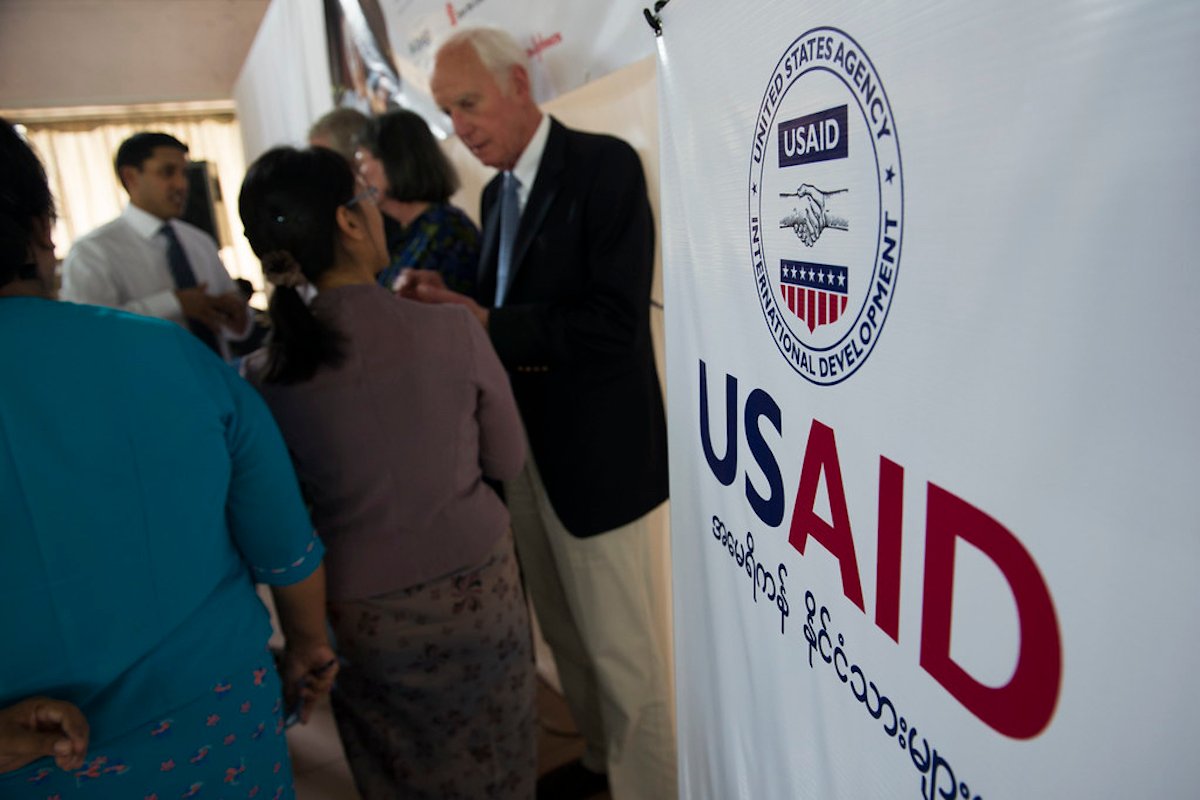
The present moment, however, poses a different kind of challenge. The scale of disruption under President Trump’s second term is unprecedented. He began by freezing foreign aid for 90 days before dismantling the US Agency for International Development (USAID), cutting off programs that had long symbolized America’s commitment to global development.
He slashed budgets for US-funded media outlets, including the Voice of America, weakening platforms that projected Washington’s perspective abroad. He imposed steep tariffs on imports from both allies and rivals, straining relationships critical to global cooperation.
Domestically, he unsettled higher education by suspending federal funding for elite universities such as Harvard, and his sweeping deportation measures sparked widespread controversy. Collectively, these moves have damaged America’s credibility and eroded the institutions that sustain its soft power.
To be sure, some of these policies may prove temporary, and global perceptions can improve with future policy adjustments. But the deeper danger lies in the erosion of institutions that sustain American influence.
Unlike policies, institutions cannot be quickly restored. Once dismantled, they require years of resources and effort to rebuild, and even then, reviving international trust would be a formidable challenge.
Soft power ultimately depends on credibility, consistency and institutions that embody enduring values beyond immediate political cycles. USAID has been central to America’s global reputation as a provider of humanitarian aid.
The Voice of America and similar media outlets have long amplified democratic ideals to societies with restricted press freedom. Universities such as Harvard symbolize academic excellence and remain magnets for future global leaders.
Undermining these institutions weakens not only America’s influence abroad but also the legitimacy of its global leadership.
American soft power dominance is in peril. In the past, US influence survived policy missteps and even unilateral actions that defied global opinion. Today, however, the threat is structural, hollowing out the very institutions that sustain US soft power.
While governments may adjust budgets and policy priorities, sacrificing long-term strategic influence for short-term political agendas is profoundly risky. If Washington continues to weaken the institutions that anchor American soft power, it risks presiding over the collapse of America’s dominance in the space.
Should that collapse occur, rebuilding US influence would be not only far more costly but perhaps even impossible.
Seongeun Lee is a nonresident fellow at the Pacific Forum with more than a decade of experience in public diplomacy and international relations spanning government, think tanks and academic institutions.