Portugals presidential election heads to first run-off in 40 years
Moderate Socialist Antonio Jose Seguro came out on top in the first round of Portugal’s presidential election on Sunday, followed by the far-right leader Andre Ventura, and the two will face off in a February 8 run-off. In the five decades since Portugal threw off its fascist dictatorship, a presidential election has only once before…
Moderate Socialist Antonio Jose Seguro came out on top in the first round of Portugal’s presidential election on Sunday, followed by the far-right leader Andre Ventura, and the two will face off in a February 8 run-off.
In the five decades since Portugal threw off its fascist dictatorship, a presidential election has only once before – in 1986 – required a run-off, highlighting how fragmented the political landscape has become with the rise of the far-right and voter disenchantment with mainstream parties.
The presidency is a largely ceremonial role in Portugal but wields some key powers, including in some circumstances to dissolve parliament, to call a snap parliamentary election, and to veto legislation.
With all the votes in Portugal counted, Seguro garnered 31.1 per cent. Ventura was at 23.5 per cent.
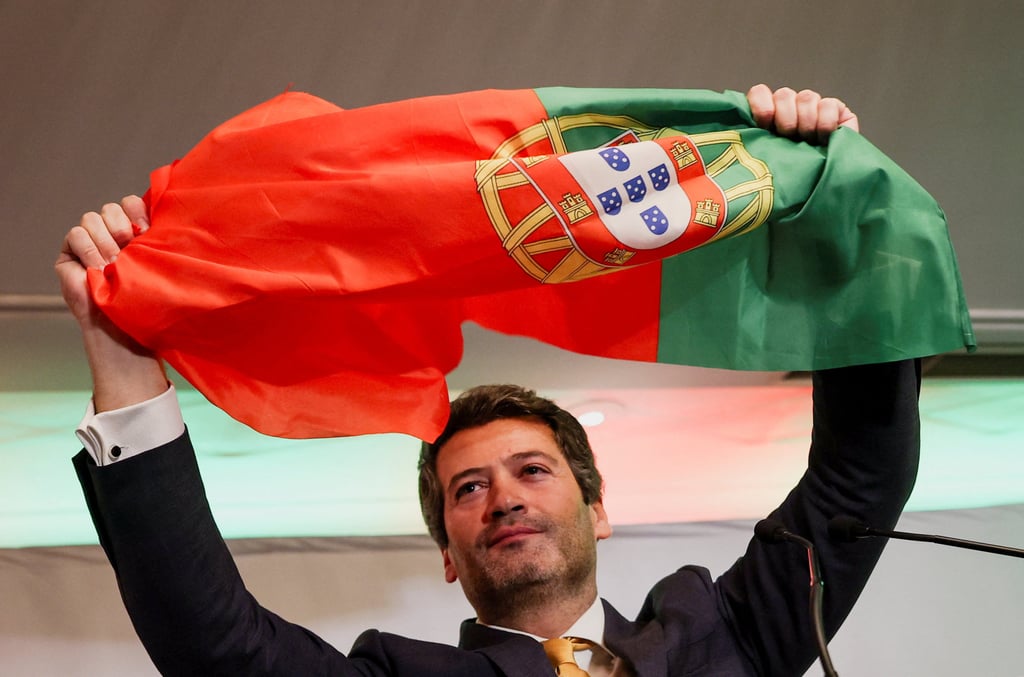
Joao Cotrim de Figueiredo of the right-wing, pro-business Liberal Initiative party came third among a total of 11 contenders, winning around 16 per cent.
Last May, the anti-establishment, anti-immigration Chega, founded just about seven years ago, became the main opposition party in a parliamentary election, winning 22.8 per cent of the vote. As in much of Europe, the rise of the far-right has swayed government policies, particularly on immigration, towards a more restrictive stance.