
Germanys Merz talked tough on reform. Will stark car slump force action?
After German Chancellor Friedrich Merz pledged to make Europe “the antithesis to state-sponsored unfair trade practices”, the massive pressure the country’s automotive industry faced from China was laid bare in new figures. Over the course of 2025, German car and car part shipments to China saw dramatic slumps, while Chinese shipments to Germany across many…
After German Chancellor Friedrich Merz pledged to make Europe “the antithesis to state-sponsored unfair trade practices”, the massive pressure the country’s automotive industry faced from China was laid bare in new figures.
Over the course of 2025, German car and car part shipments to China saw dramatic slumps, while Chinese shipments to Germany across many of the same sectors soared.
Germany has been a reluctant participant in many of the EU’s most forceful trade gambits against China, as it looks to protect its own car industry from Beijing’s retaliatory measures. In 2024, it voted against the imposition on tariffs on Chinese-made electric vehicles, even as its fierce lobbying of other members failed to turn the vote in its favour.
“This will only work if we work together as one European Union. And be assured, Germany pledges to take a special responsibility here,” he said.

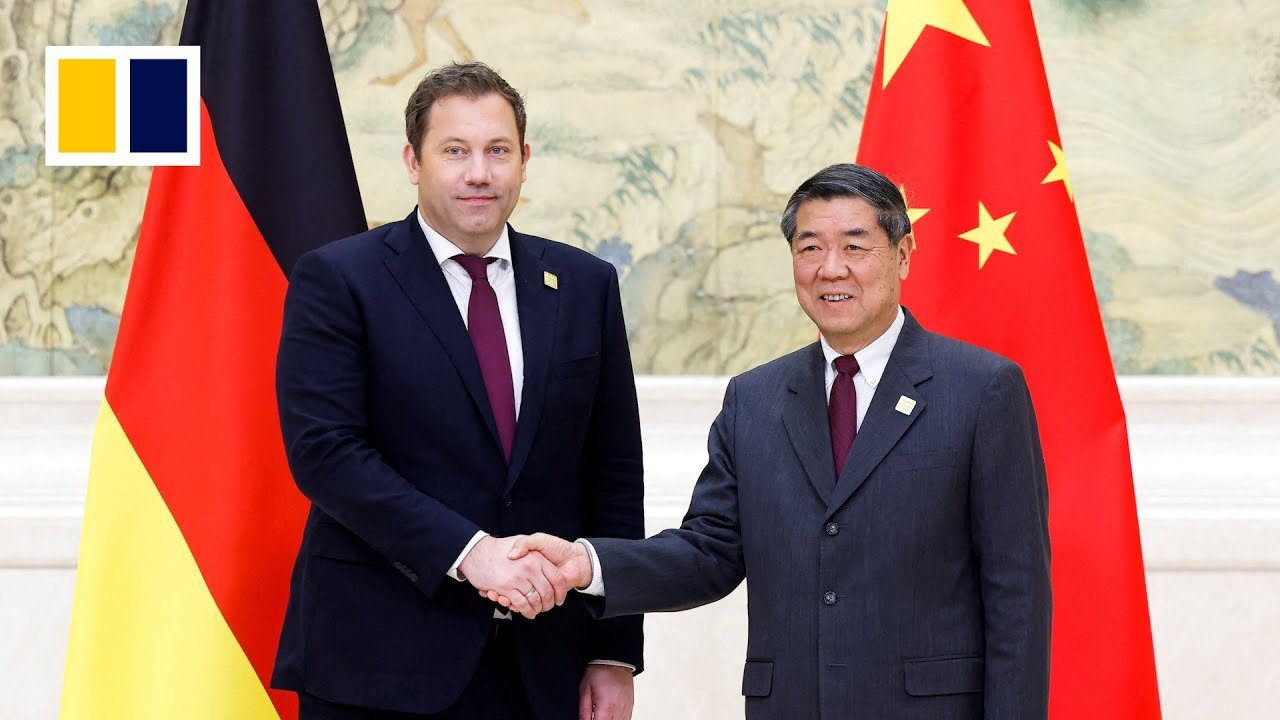
China and Germany strive to reset trade ties in Beijing
China and Germany strive to reset trade ties in Beijing
German exports of large engine petrol saloon cars – a class dominated by brands like Audi, BMW and Mercedes-Benz – dropped 38 per cent compared to a year earlier, while smaller models saw their exports fall 39 per cent over the same period, detailed annual Chinese customs data published this week indicate.


