Opinion | Europes selective defence of the global order will sway no one
At the opening of the Munich Security Conference this year, German Chancellor Friedrich Merz warned that the rules-based international order is eroding before our eyes. His remarks echoed the conference’s annual report, which painted a picture of fragmentation and disorder. His remarks also echoed a growing anxiety across Europe: that the system built after 1945…
His remarks also echoed a growing anxiety across Europe: that the system built after 1945 is eroding under the weight of geopolitical rivalry, economic coercion and military confrontation. However, to many observers, Europe’s lament rings hollow.
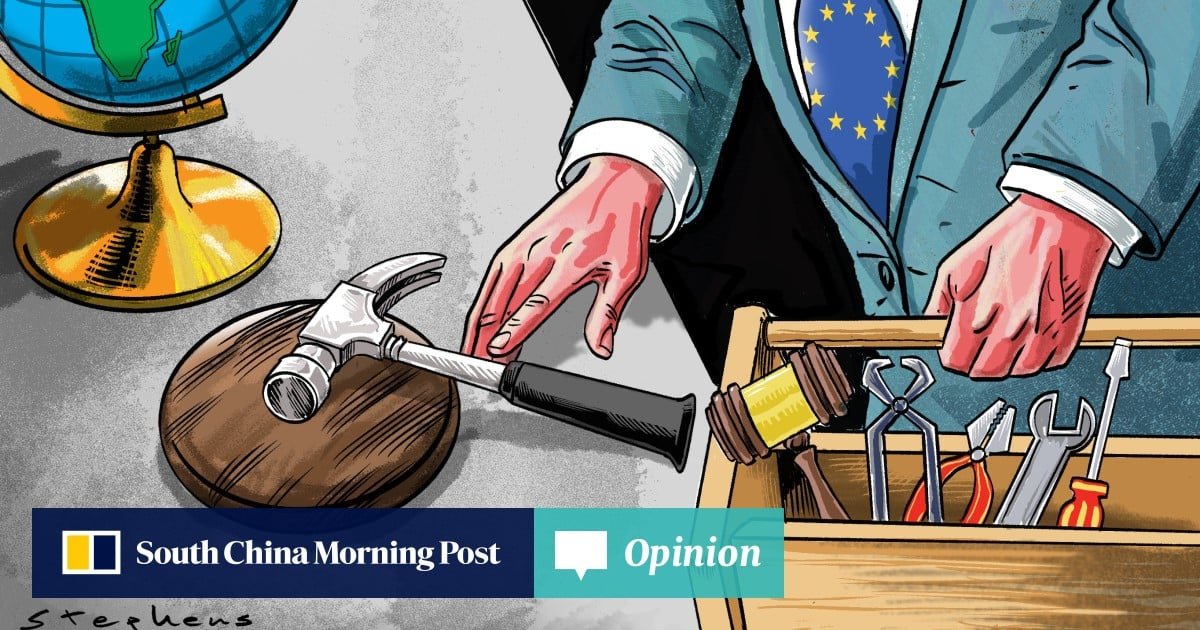
If the international order is weakening, it is not simply because of revisionist powers challenging the West. It is also because Western states – Europe included – have treated international rules as flexible instruments rather than binding commitments. If Europe genuinely seeks to restore global credibility to international law, it must first confront its own record of selective adherence.
The cornerstone of the post-World War II legal system is the prohibition on the use of force under the UN Charter, except in self-defence or with Security Council authorisation. However, at key moments Europe has supported military interventions that stretched or bypassed this framework.
Each case was defended as exceptional. Taken together, however, they contributed to a pattern: rules apply, but not always; sovereignty matters, but not uniformly. To some outside the transatlantic alliance, this signalled that international law could be reinterpreted when strategic imperatives demanded it. Such precedents have weakened the normative force of the very system Europe now seeks to defend.