How is the conflict in Iran affecting Europes energy supply and prices?
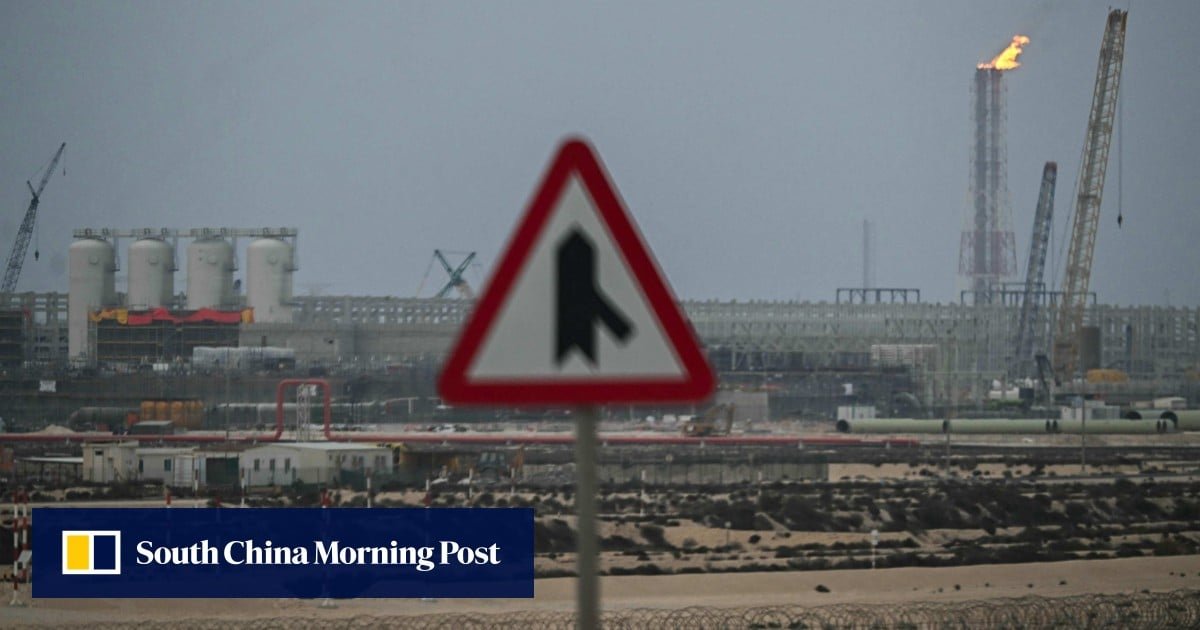
Europe woke to a fresh surge in energy prices on Monday as the escalating war in the Middle East disrupted oil shipments and natural gas production in one of the world’s most critical energy-producing regions. The continent’s benchmark natural gas price, the Dutch TTF, rose by more than 40 per cent at one point amid…
Europe woke to a fresh surge in energy prices on Monday as the escalating war in the Middle East disrupted oil shipments and natural gas production in one of the world’s most critical energy-producing regions.
Analysts now warn of further strains on European industry amid renewed turbulence in international energy markets, as calls grow for the EU to accelerate its transition to renewable energy and reduce its reliance on imported fossil fuels.
“Europe’s exposure to geopolitical shocks remains rooted in its continued reliance on imported fossil fuels traded on volatile global markets – even if it has shifted dependency from Russia to other suppliers, not least the US,” Simone Tagliapietra, a senior fellow at Brussels-based think tank Bruegel, wrote in an article.
He warned that European gas prices could come under particular pressure because the EU began the year with significantly lower storage levels than in previous years – just 46 billion cubic metres (1.62 trillion cubic feet) at the end of February, compared with 60 billion cubic metres (2.19 trillion cubic feet) last year and 77 billion cubic metres (2.72 trillion cubic feet) in 2024.
Any disruption to storage refilling could complicate supply planning and increase industrial energy costs across Europe, Tagliapietra wrote in the article, which was posted on the think tank’s website, adding that higher gas prices typically fed through to electricity markets, where they squeezed margins in energy-intensive sectors.