Opinion | Merzs China visit shows pragmatic diplomacy still matters
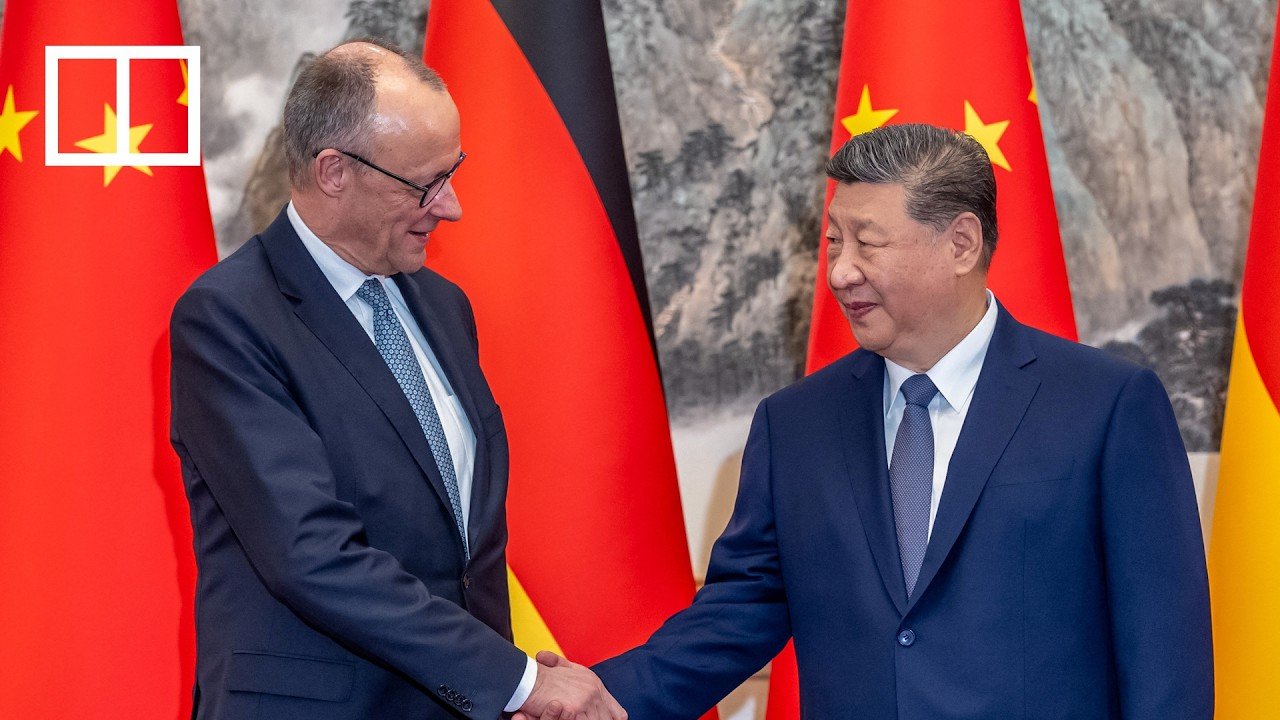
When German Chancellor Friedrich Merz arrived in Beijing for his first visit to China last week, it came at a moment of heightened geopolitical attention. With US President Donald Trump expected to visit Beijing in late March or early April, European leaders are watching closely for possible shifts in transatlantic relations and trade policy. Against…
Against this anxious backdrop, Merz’s meetings with President Xi Jinping and Premier Li Qiang in Beijing offered something the global stage has been deeply lacking in recent times: a measure of pragmatic steadiness.
The rationale of pursuing business ties and tech partnerships was straightforward. Doing so helps Berlin show its willingness to engage Beijing in hi-tech frontiers, while at the same time Germany recognises that Chinese industry is no longer just an option for low-cost manufacturing.
Rather than retreating into technological isolation, German firms understand that maintaining long-term competitiveness requires direct engagement with Chinese innovation ecosystems. This can be achieved through forming partnerships and joint research and development projects with Chinese counterparts to influence standards and research priorities. While the headline-grabbing agreement for China to purchase up to 120 Airbus aircraft offered immediate, tangible gains for European manufacturing, the deeper strategic play is ensuring Germany remains a collaborative force in shaping the hi-tech innovations of the future global economy.
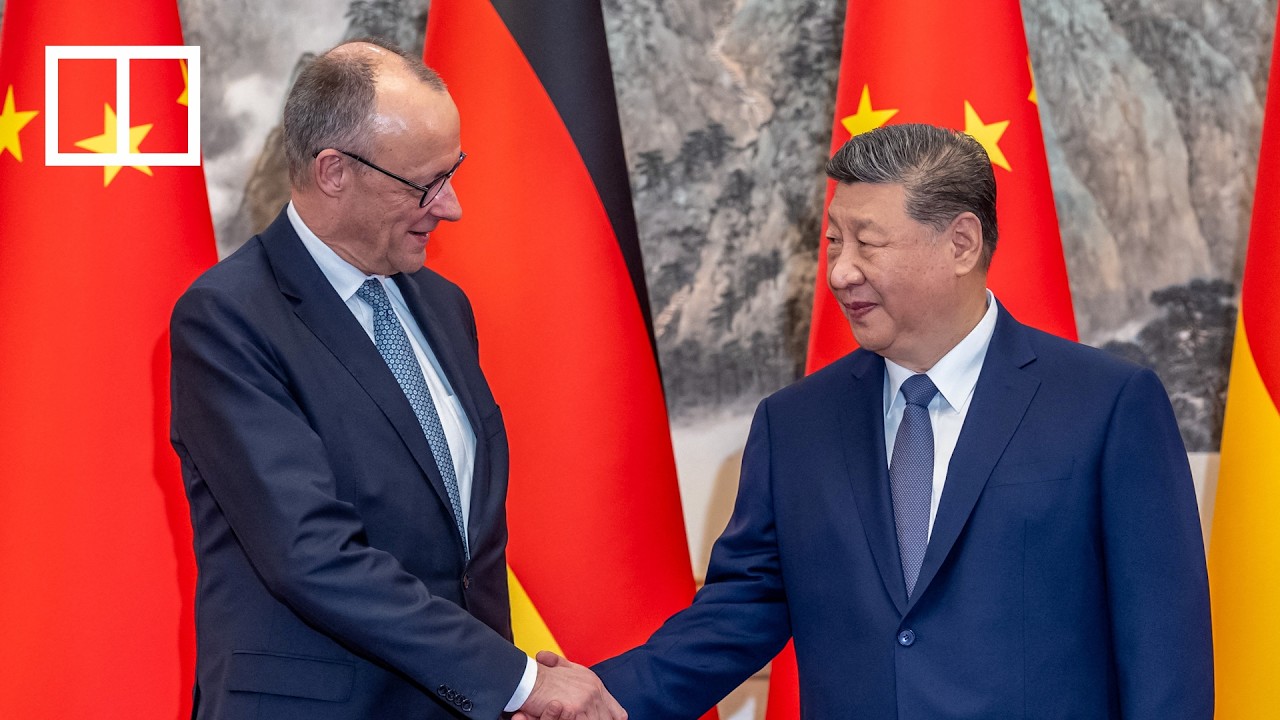
Xi, Merz vow to strengthen Sino-German ties
Xi, Merz vow to strengthen Sino-German ties
What was particularly distinctive about this visit was not that the two sides agreed on everything – rather, it was how they handled their disagreements. The joint communications out of the meetings were a clear demonstration of mature bilateral diplomacy. The two essentially agreed to disagree and made that clear in their statements.