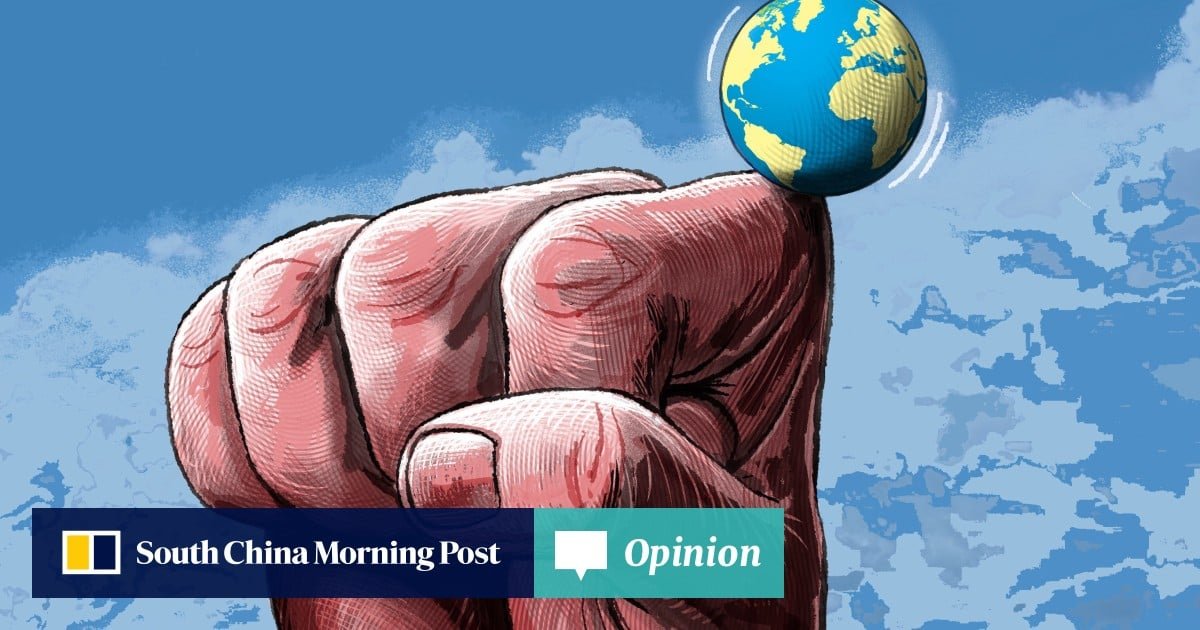
Opinion | Iran war marks return to strongest states assuming special rights
The war in Iran is not just another Middle Eastern crisis. It is a window into what world politics looks like when rules are weakest and power is most concentrated. Washington has spoken in the language of surrender and coercion, European governments have called for restraint and respect for international law, and Asian powers have…
What this reveals is not a functioning rules-based order. It is a harsher and more improvised world in which a few major powers increasingly act as if they have exceptional rights while everyone else calculates the cost of being exposed to their decisions.
It is tempting to describe this simply as the collapse of international law. That is too simple. The law has not disappeared. Article 2(4) of the United Nations Charter still prohibits the threat or use of force against the territorial integrity or political independence of states.
The Concert of Europe was a post-war agreement among Europe’s major powers to preserve the territorial and political status quo. The system was conservative, elitist and often coercive, but it rested on a minimal strategic consensus. The great powers did not merely claim exceptional rights; they also accepted some shared responsibility for maintaining order. Today’s world has the exceptionalism without the consensus, the appetite for influence without the institutional discipline.