
Beyond a buffer zone: how the Iran war is recalibrating Central Asian ties
Central Asian governments are leveraging the diplomatic fallout from the US-Israel war on Iran to assert their autonomy and reinforce their long-standing strategy of balancing major powers, according to analysts. For decades, the five former Soviet republics have been seen as Russia’s “backyard”. However, as the conflict in Iran deepens, these nations are moving to…
The shift became apparent after Iranian drones struck Nakhchivan International Airport in Azerbaijan on March 5.
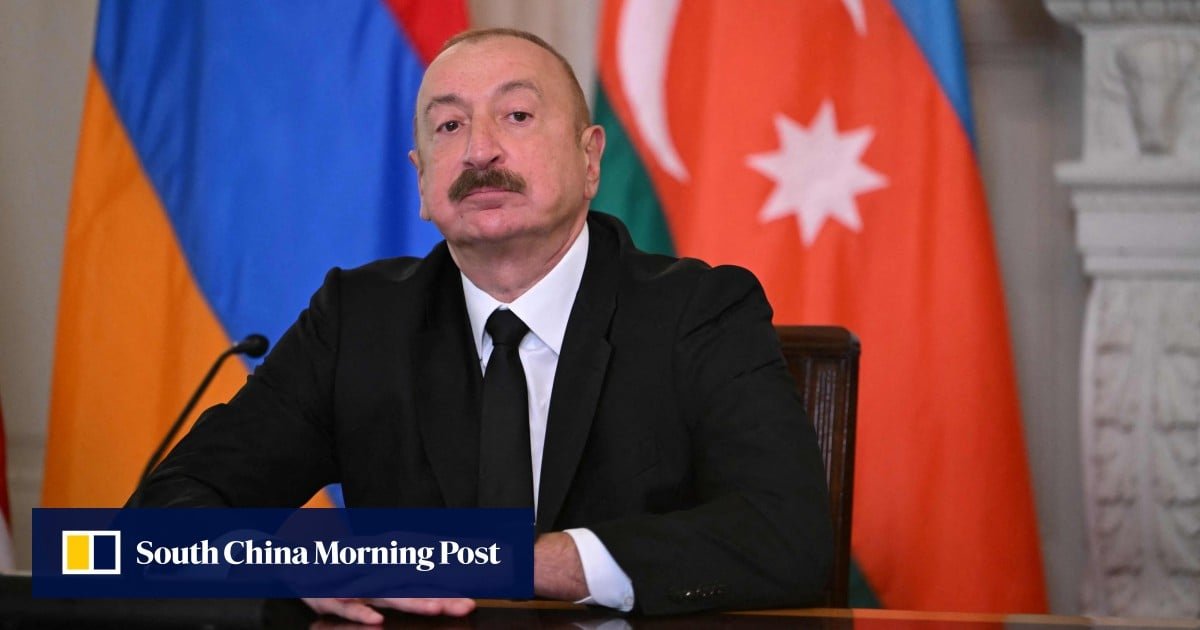
This prompted Azerbaijani President Ilham Aliyev to mobilise the army, recall diplomats from Tehran and suspend cross-border truck traffic. The Nakhchivan Autonomous Republic is an Azerbaijani exclave bordered by Armenia, Turkey and Iran.
Kazakhstan’s President Kassym-Jomart Tokayev issued an unusually sharp condemnation, signalling that attacks on neighbouring states had crossed a political threshold for governments across the wider region.
While the response suggested unease with Tehran, the episode is unlikely to trigger a strategic rupture, according to observers. Instead, the crisis is accelerating the region’s efforts to strengthen its bargaining position.


