Starmer battles for Downing Street future amid Mandelson vetting scandal
Unlock the Editor’s Digest for free Roula Khalaf, Editor of the FT, selects her favourite stories in this weekly newsletter. Sir Keir Starmer will battle for his Downing Street future on Monday as he seeks to explain to MPs how Lord Peter Mandelson became UK ambassador to the US despite failing security vetting. The prime…
Unlock the Editor’s Digest for free
Roula Khalaf, Editor of the FT, selects her favourite stories in this weekly newsletter.
Sir Keir Starmer will battle for his Downing Street future on Monday as he seeks to explain to MPs how Lord Peter Mandelson became UK ambassador to the US despite failing security vetting.
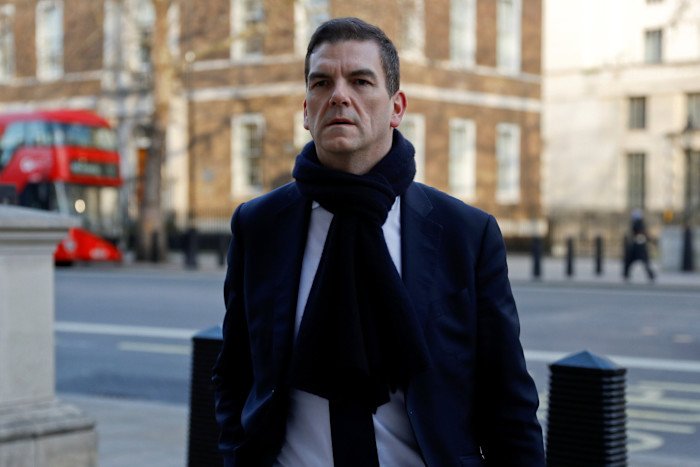
The prime minister’s statement in the House of Commons will come ahead of testimony on Tuesday by Sir Olly Robbins, who was sacked last week as the head of the Foreign Office over the vetting scandal.
Starmer, who has rejected calls to resign, will insist he did not know about the vetting verdict and blame Robbins for the “unforgivable” act of not disclosing that Mandelson had not passed.
But the former mandarin is expected to tell the Commons foreign affairs committee on Tuesday that by putting in place mitigations to deal with the grandee’s perceived conflicts of interest, he had addressed the red flags raised in the vetting process.
Robbins will also argue that the Constitutional Reform and Governance Act 2010 made civil servants rather than ministers responsible for vetting.

Some Labour MPs said that after the Mandelson scandal, big losses in May’s local elections could trigger the end of Starmer’s term in No 10. Others said he could still cling on.
“This is catastrophic . . . but I think it is incompetence rather than anything else,” said one Labour veteran.
“Keir thinks of the House of Commons as a kind of court, and he would never mislead a court,” the person added. “But it raises all sorts of questions about his lack of curiosity and failure to get a grip.”
One Labour MP said: “My guess is it’s terminal.”
Conservative leader Kemi Badenoch on Sunday urged Starmer to provide “full transparency and accountability” over the scandal around Mandelson’s appointment, which was announced in December 2024 before vetting took place.
“Many people think you have been at best recklessly negligent and at worst dishonest about this whole affair,” she said in a letter.
Technology secretary Liz Kendall said Starmer would “lay out all the information” on Monday afternoon and stressed that he would not have approved Mandelson’s appointment if he had known about the vetting decision.
But allies of Robbins — a former Brexit negotiator who was previously a frontrunner for the role of cabinet secretary — have argued that while security vetting can influence formal vetting decisions, the original material is almost never shared beyond a small circle of officials.
Helen MacNamara, former director-general for propriety and ethics in the Cabinet Office, said the sharing of Mandelson’s security file set a “very worrying precedent” that undermined the confidentiality of the vetting process.
“It’s so important people feel able to tell the whole truth about themselves or others during vetting in the full certainty it’s not going to be shared outside the process,” she said on X.
People familiar with the matter told the FT that the vetting concerns were primarily over Mandelson’s business links with China.
Global Counsel, the advisory firm he co-founded, had at least three Chinese clients — including pharmaceutical company WuXi AppTec, which has links to the Chinese government.
Separate due diligence documents from the government said Mandelson was “seen as an advocate for closer UK-China relations”.

Mandelson, who took up the role of US ambassador in February last year, was sacked in September after fresh documents pointed to the extent of his relationship with sex offender Jeffrey Epstein.
Files since published by the US Department of Justice show Mandelson leaked confidential government documents to Epstein while he was business secretary in 2008-10 and received large payments from the financier, prompting a police probe into possible misconduct in public office.
In February, Morgan McSweeney quit as Downing Street chief of staff over the scandal and Starmer saw off calls to quit from figures including Anas Sarwar, Labour’s leader in Scotland.
Lord Maurice Glasman, a Labour peer, on Sunday said Starmer should resign, echoing similar calls from the Tories, Liberal Democrats, Reform UK and the Green Party.
Party officials expect a pick-up in leadership speculation if, as polls predict, Labour suffers heavy losses on May 7, when elections to the Scottish and Welsh parliaments and English councils will be held.
Allies of Greater Manchester mayor Andy Burnham told the FT they believed elections to the National Executive Committee this summer could change its balance of power, offering a route for him to return to Westminster and potentially run for party leader.
Burnham, who has been increasingly critical of Starmer in recent months, held secret talks on Friday with Angela Rayner, the former deputy prime minister who is seen as a likely leadership contender.
One Labour aide said the Mandelson scandal was not enough to topple Starmer before May 7, but that his future beyond then was uncertain.
“I don’t think anything will happen before May. After May, it depends on the mood of the Parliamentary Labour Party.”