Pakistan Says It Will Respond If Israel Attacks Saudi Arabia — Adviser’s Remarks Echo New Defence Pact
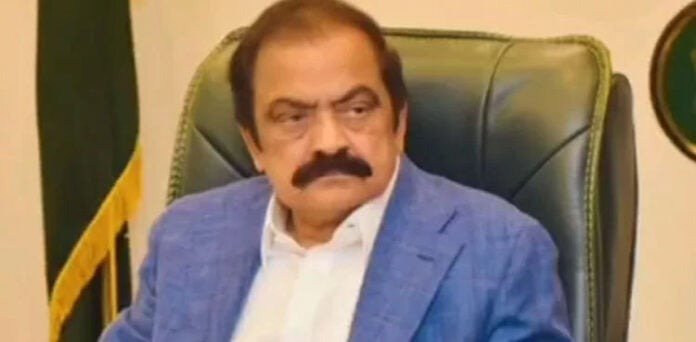
ISLAMABAD / RIYADH / LONDON — Pakistan’s political adviser Rana Sanaullah on Saturday said the newly signed strategic mutual-defence agreement between Pakistan and Saudi Arabia makes clear that an attack on Saudi Arabia would be treated as an attack on Pakistan — and that Islamabad would answer force with force if Riyadh were struck. Speaking…
ISLAMABAD / RIYADH / LONDON — Pakistan’s political adviser Rana Sanaullah on Saturday said the newly signed strategic mutual-defence agreement between Pakistan and Saudi Arabia makes clear that an attack on Saudi Arabia would be treated as an attack on Pakistan — and that Islamabad would answer force with force if Riyadh were struck.
Speaking on a private TV programme, Sanaullah described the pact as “historic” and warned potential aggressors that the arrangement sends a clear deterrent message. He reiterated Pakistani claims about its indigenous missile capabilities and said the agreement would strengthen Pakistan’s defensive posture.
The defence accord — signed in Riyadh on 17 September — contains a mutual-defence clause stating that “any aggression against either country shall be considered an aggression against both,” language that observers say echoes collective-defence guarantees such as NATO’s Article 5. The deal was signed in the wake of heightened regional tensions following recent strikes in the Gulf.
International reaction has been cautious but pointed. Analysts say the pact deepens security ties between two long-standing partners and could have ripple effects across South Asia and the Middle East, particularly given Pakistan’s status as the region’s only declared nuclear-armed state. Some commentators warn it may further complicate already fraught relations between Saudi Arabia, Israel and regional powers.
Key facts:
The agreement was signed in Riyadh with Pakistani Prime Minister Shehbaz Sharif and Saudi Crown Prince Mohammed bin Salman present.
Pakistani officials, including Rana Sanaullah and other ministers, have publicly framed the pact as defensive and as a deterrent to any external attack.
Analysts note the pact could be opened to other Arab partners and may affect diplomatic calculations in Delhi, Washington and capitals across the Gulf.
What to watch next: diplomats in Washington, New Delhi and Gulf capitals will be monitoring whether the pact leads to troop deployments, joint exercises or further security assurances — and whether it prompts new rounds of diplomatic engagement to reduce escalation risks.