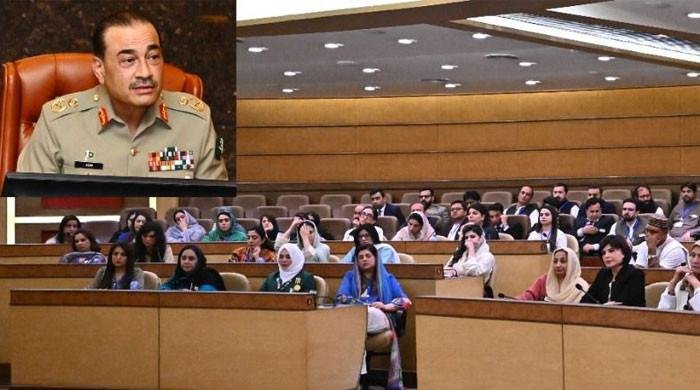
Pakistan army chief vows “decisive” response to any border violation — international briefing
Rawalpindi,Muhammad Saleem Pakistan’s Chief of Army Staff, Field Marshal Syed Asim Munir, warned that any direct or indirect violation of Pakistan’s borders will be met with a “firm and decisive” response, in remarks that come amid fresh cross-border clashes and rising tensions in the region. Munir also accused what he described as India-backed proxies —…
Rawalpindi,Muhammad Saleem Pakistan’s Chief of Army Staff, Field Marshal Syed Asim Munir, warned that any direct or indirect violation of Pakistan’s borders will be met with a “firm and decisive” response, in remarks that come amid fresh cross-border clashes and rising tensions in the region.
Munir also accused what he described as India-backed proxies — which Pakistani officials refer to as Fitna al-Hind and Fitna al-Khawarij — of spreading “anti-development” and destabilising narratives, saying security forces will continue operations to eliminate these networks. His comments were delivered while reviewing security and counter-terrorism operations, according to military and local media reports.
The warning follows a series of recent incidents along Pakistan’s frontiers, including reported exchanges of fire and cross-border strikes that Islamabad says involved militants and proxy groups operating from Afghan soil. Pakistani outlets and the military claimed significant losses to attacking elements during recent operations.
Regional coverage highlights an escalation in rhetoric: international and regional outlets quoted Munir saying there is “no space for war in a nuclearised environment,” but that even a “minor provocation” could invite a disproportionate — and decisive — Pakistani response. Analysts cautioned that such language raises the stakes between two nuclear-armed neighbours and may complicate diplomatic de-escalation efforts.
The statement also referenced broader geopolitical concerns, with Pakistan urging the Afghan authorities to restrain groups operating from Afghan territory and calling for international attention to what Islamabad calls state-sponsored proxy activity. Arab and regional press noted the remarks in the context of recent border incidents and intensified military postures.
Diplomatic implications: commentators say such public warnings typically signal a tougher deterrence posture while also serving a domestic political purpose — reassuring audiences at home of the military’s readiness. Observers urged both sides to prioritise back-channel diplomacy and confidence-building measures to prevent miscalculation.