PMML Chief Criticizes Government’s Economic Policies, Terms Petroleum Levy ‘Burden on the Poor’
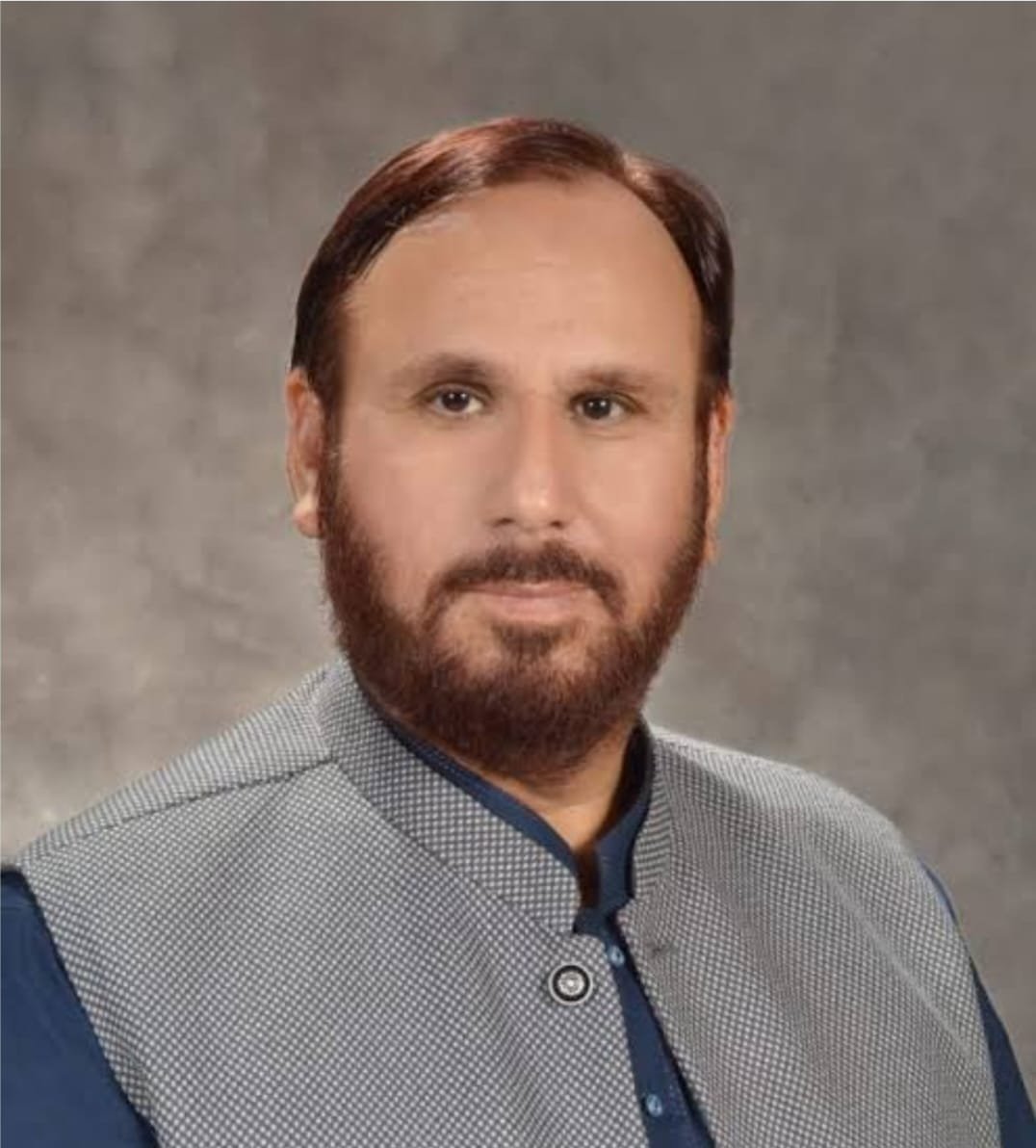
By Muhammad ShahzadLAHORE, Pakistan — Khalid Masood Sandhu, President of the Pakistan Markazi Muslim League (PMML), has sharply criticized the government’s economic policies, accusing it of shifting the weight of financial mismanagement onto low- and middle-income citizens. In a statement on Monday, Sandhu said the government’s record collection of over Rs1,042 billion in petroleum levy…
By Muhammad Shahzad
LAHORE, Pakistan — Khalid Masood Sandhu, President of the Pakistan Markazi Muslim League (PMML), has sharply criticized the government’s economic policies, accusing it of shifting the weight of financial mismanagement onto low- and middle-income citizens.
In a statement on Monday, Sandhu said the government’s record collection of over Rs1,042 billion in petroleum levy between January and September illustrates how rising fuel charges are being used to compensate for fiscal shortcomings. He warned that such measures disproportionately affect the poor, who are already struggling amid inflation and unemployment.
Sandhu questioned why, in his view, “roads leading to residences in Raiwind and Bani Gala can be constructed with national funds,” while citizens in Balochistan are compelled to pay what he described as an “extortion-like” petroleum levy to finance road repairs and development.
He further alleged that the ruling elite is prioritizing its “extravagant expenditures” over the needs of ordinary citizens, adding that essential development allocations should be utilized transparently for road rehabilitation rather than burdening the public through additional levies.
Calling the continued dependence on petroleum levy “a sign of government incompetence,” Sandhu urged authorities to cut state expenses, provide relief to households, and ensure responsible utilization of development funds.
The PMML president reiterated that his party will continue to highlight public concerns and advocate for economic policies that ease the financial strain on citizens.