SAARC Chamber Urges Shift to Regional Trade as US Tariffs Hit South Asian Economies
By Farzana Chaudhry – Lahore, Pakistan The SAARC Chamber of Commerce and Industry (SCCI) has urged South Asian economies—particularly Pakistan—to urgently pivot toward regional trade as sweeping US tariffs threaten export competitiveness and industrial employment across the region. In a statement, SCCI Vice President Mian Anjum Nisar warned that the United States’ new tariff regime…
By Farzana Chaudhry – Lahore, Pakistan
The SAARC Chamber of Commerce and Industry (SCCI) has urged South Asian economies—particularly Pakistan—to urgently pivot toward regional trade as sweeping US tariffs threaten export competitiveness and industrial employment across the region.
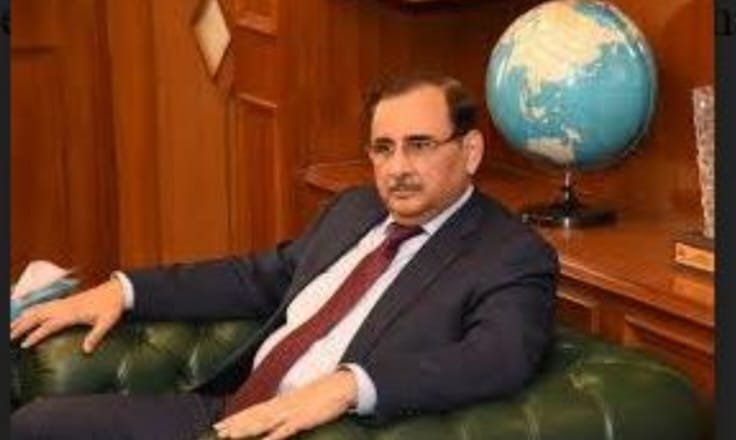
In a statement, SCCI Vice President Mian Anjum Nisar warned that the United States’ new tariff regime has disrupted Pakistan’s export-driven sectors, sharply raising landed costs in American markets and diminishing demand. The US has imposed a baseline 10% tariff on all imports, with country-specific surcharges pushing duties on Pakistani goods up to 29% before easing to 19% after diplomatic intervention.
According to Nisar, Pakistan’s textile exports—central to its revenue and employment—could fall by as much as 30% under the revised tariff structure, resulting in estimated annual losses of nearly USD 490 million. Industrial hubs in Faisalabad, Karachi and Lahore may face production cuts, reduced shifts and potential layoffs if the downturn persists.
Findings from a joint study by the SCCI and the South Asian Federation of Accountants, Trading Beyond Borders, reinforce these concerns. The report says higher tariffs have eroded Pakistan’s competitive edge, reducing export volumes by an estimated 20–30 percent. It also highlights longstanding obstacles in Pakistan–US trade relations, including inconsistent customs valuations, complex SRO-based import rules, and regulatory requirements tied to halal certification and genetically engineered products. Pakistan’s placement on the US Special 301 Watch List for weak intellectual property enforcement has further complicated market access.
Despite these barriers, Pakistan’s exports to the United States had grown from USD 3.7 billion in 2014 to USD 4.3 billion in 2025, driven largely by textiles, apparel and leather goods.
The study also notes significant tariff pressures on India, which faces duties of up to 50% on major exports and 100% on certain branded pharmaceuticals and films—triggering capital outflows exceeding USD 15.5 billion and a depreciation of its currency. The report concludes that US policy shifts have exposed the fragility of South Asian export structures and increased urgency for diversification.
Nisar said the current tariff shock should serve as a turning point, calling for deeper South Asian economic integration to reduce vulnerability to external disruptions, cut logistics costs and create more resilient supply chains.