Apple Refuses to Preload Indian Government’s Cybersecurity App on iPhones
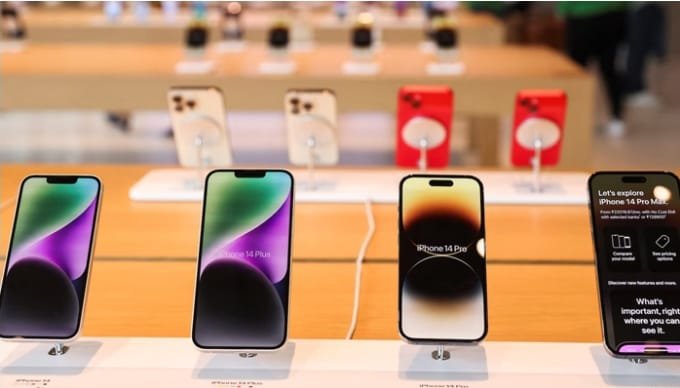
NEW DELHI: Apple has declined India’s directive to pre-install a government-mandated cybersecurity application on its iPhones, citing concerns over user privacy and security. According to international media sources, Apple plans to communicate its objections to Indian authorities, arguing that the move could raise serious surveillance and privacy concerns for users. The Indian government had secretly…
NEW DELHI: Apple has declined India’s directive to pre-install a government-mandated cybersecurity application on its iPhones, citing concerns over user privacy and security.
According to international media sources, Apple plans to communicate its objections to Indian authorities, arguing that the move could raise serious surveillance and privacy concerns for users.
The Indian government had secretly instructed Apple, Samsung, Xiaomi, and other smartphone manufacturers to preload the “Sanchar Saathi” app on devices within the next 90 days. The app is designed to track, block, and prevent misuse of mobile phones in case of theft, with the government insisting that users should not be able to disable it. Additionally, authorities directed that the app be installed via software updates on devices already in the supply chain.
India’s Ministry of Telecommunications later confirmed the initiative, describing it as a security measure to address “serious cyber threats.”
However, political opponents of Prime Minister Narendra Modi and digital privacy experts have criticized the move, warning that it could provide the government with access to India’s 730 million smartphone users.
Industrial sources told international media that Apple plans to inform the government that it does not comply with such mandates in any country, as forcing pre-installation could undermine iOS ecosystem security and user privacy. The company does not intend to take legal action or make a public stance, but it will clearly communicate that security risks prevent compliance with the Indian directive.