Gradual economic stability achieved in 2025, sustainable growth hinges on reforms: LCCI President
By Farzana ChaudhryLahore, PakistanLAHORE: President of the Lahore Chamber of Commerce and Industry (LCCI) Faheem-ur-Rehman Saigol on Tuesday described 2025 as a year of gradual economic stabilization for Pakistan, while cautioning that sustainable growth will depend on deep and consistent structural reforms.Addressing the economic outlook, Saigol said several key indicators showed improvement during the year,…
By Farzana Chaudhry
Lahore, Pakistan
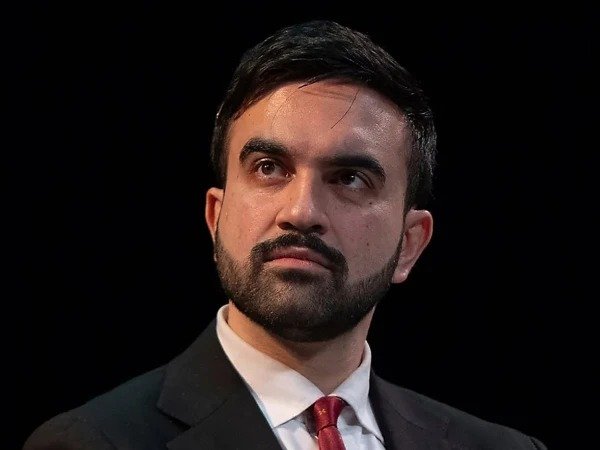
LAHORE: President of the Lahore Chamber of Commerce and Industry (LCCI) Faheem-ur-Rehman Saigol on Tuesday described 2025 as a year of gradual economic stabilization for Pakistan, while cautioning that sustainable growth will depend on deep and consistent structural reforms.
Addressing the economic outlook, Saigol said several key indicators showed improvement during the year, restoring a degree of business confidence. However, he stressed that persistent challenges—including a widening trade deficit, high energy costs, sluggish investment, and a narrow tax base—continue to pose serious risks to long-term economic stability.
Despite visible progress, the LCCI president emphasized the urgent need to improve the ease of doing business to attract both domestic and foreign investment. He raised concerns over elevated electricity tariffs, misuse of Statutory Regulatory Orders (SROs), and weaknesses in export policy. Saigol specifically called for bringing exports back under the Final Tax Regime (FTR) to encourage export-led growth, noting that the trade deficit remains a major concern requiring immediate corrective measures.
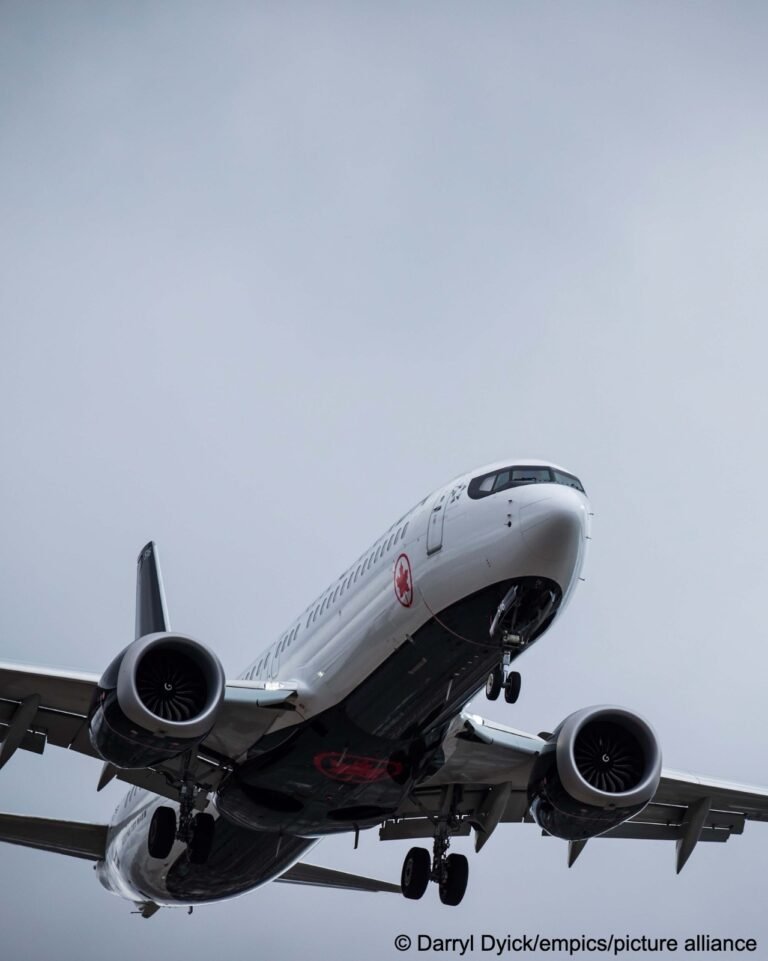
Saigol welcomed the recent privatization of Pakistan International Airlines (PIA), highlighting that its acquisition by a Pakistani consortium demonstrated the capacity and confidence of local investors. He urged the government to accelerate the privatization of other state-owned enterprises (SOEs) to strengthen investment inflows and reduce the fiscal burden on the economy.
Reviewing sectoral performance, the LCCI president said positive trends across multiple industries have contributed to an improved business climate. He attributed this progress to policy consistency, economic reforms, and strong remittance inflows, which together have helped restore investor confidence and supported industrial and export growth.
He underscored the critical role of overseas Pakistanis in stabilizing the economy. During FY 2024–25, remittances reached approximately $38.3 billion, marking a 26% increase from $30.3 billion in the previous year, with expectations of reaching nearly $42 billion by year-end. According to the Pakistan Bureau of Statistics and the State Bank of Pakistan, remittances during the first five months of FY 2025–26 (July–November) exceeded $16 billion, reflecting over 9% growth year-on-year.
Saigol said robust remittance inflows have strengthened foreign exchange reserves, supported the rupee, and eased import pressures. He also noted rising interest among overseas Pakistanis in investing in local industrial and service sectors.
Highlighting inflation control as a major achievement, he said average inflation declined sharply to 4.5% in FY 2024–25, compared to 23.4% in the previous year, according to official data. The reduction provided relief to consumers and lowered operational costs for businesses, boosting market activity and consumer confidence.
He also pointed to the strong performance of the Pakistan Stock Exchange (PSX) as a reflection of renewed investor trust. The KSE-100 Index crossed 170,000 points, registering a more than 60% increase from around 105,000 points last year. Meanwhile, foreign exchange reserves rose to over $21 billion in 2025, up from $15.9 billion a year earlier, helping stabilize the rupee and manage external debt obligations.
Saigol said the sharp reduction in interest rates—from 22% to 10.5%—provided significant relief to businesses by lowering borrowing costs, encouraging investment, and supporting job creation. He stressed that affordable financing remains critical to reviving economic activity.
The LCCI president identified the IT sector as a key growth driver, noting that IT and IT-enabled services exports reached $1.8 billion during the first five months of the fiscal year, reflecting a 19% increase year-on-year. He said global demand for Pakistan’s skilled technology workforce is strengthening the country’s digital economy.
Despite the positive indicators, Saigol warned that overall investment growth remains below potential due to high energy costs and a limited investor base. He urged the government to reduce energy prices, expand the tax net, and introduce targeted incentives to support industrial expansion.
Concluding his assessment, Saigol said 2025 has laid the groundwork for economic stability, but sustained growth will require difficult yet necessary reforms. Diversification of exports, energy sector reforms, industrial development, and tax broadening are essential for long-term economic resilience. While recent progress is encouraging, he stressed that cautious, well-planned, and continuous reforms remain vital for Pakistan’s sustainable economic future.