Declining Inflation Seen as Catalyst for Pakistan’s Economic Recovery: LCCI President
By Farzana ChaudhryLahore, PakistanLAHORE — President of the Lahore Chamber of Commerce and Industry (LCCI) Faheem ur Rehman Saigol has described the decline in Pakistan’s inflation rate to 5.6 percent in December 2025 as a significant and encouraging signal for the country’s economic recovery.In a statement, Saigol said the second consecutive monthly fall in inflation…
By Farzana Chaudhry
Lahore, Pakistan
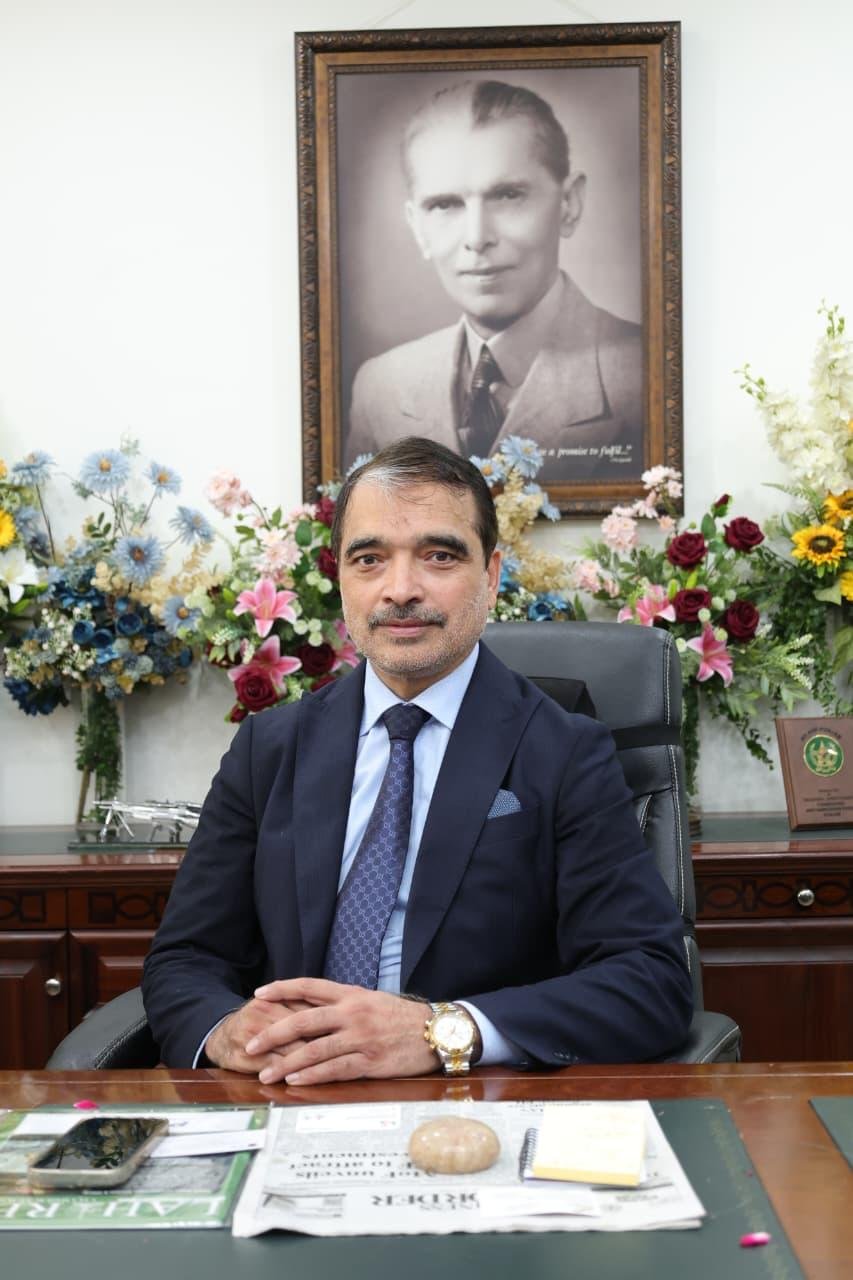
LAHORE — President of the Lahore Chamber of Commerce and Industry (LCCI) Faheem ur Rehman Saigol has described the decline in Pakistan’s inflation rate to 5.6 percent in December 2025 as a significant and encouraging signal for the country’s economic recovery.
In a statement, Saigol said the second consecutive monthly fall in inflation reflects improving macroeconomic stability and creates room for increased investment, industrial expansion and broader economic growth.
The LCCI President, along with Senior Vice President Tanveer Ahmed Sheikh and Vice President Khurram Lodhi, noted that easing inflationary pressures have a direct positive impact on business activity. Lower and more predictable prices allow firms to better plan production and investment, while stability in input costs improves industrial output and competitiveness.
They added that the decline in food prices has strengthened consumers’ purchasing power, which is expected to boost domestic demand and support overall business confidence.
According to the LCCI leadership, sustained inflation stability also provides the State Bank of Pakistan with space to maintain or further ease its policy rate — a critical factor for industrial growth, small and medium enterprises, and export-oriented sectors. Lower interest rates, they said, reduce borrowing costs, encourage fresh investment and help create employment, thereby accelerating economic activity.
Saigol further pointed to the contained movement in the Wholesale Price Index (WPI) and Sensitive Price Index (SPI) as evidence that inflationary pressures are gradually coming under control and are no longer widespread. If the trend continues, he said, it would further strengthen investor and business confidence in the months ahead.
However, the LCCI President cautioned that policy continuity remains essential to preserve these gains. He urged the government to improve agricultural productivity, strengthen supply chains and take strict action against hoarding and speculative practices. He also warned that volatility in global oil prices and climate-related risks to agriculture could reignite inflationary pressures if not managed carefully.
Welcoming the recent reduction in petroleum prices, Saigol called it another positive step for the economy, noting that lower fuel costs help reduce transportation and logistics expenses and ease industrial production costs.
“If the government continues to ensure price stability in both inflation and fuel prices, it will significantly support sustainable economic growth and provide tangible relief to the public,” he said.