Gilgit-Baltistan Emerges as Northern Gateway Under CPEC
By Farzana ChaudhryLahore, PakistanLAHORE: The Pakistan-China Joint Chamber of Commerce and Industry (PCJCCI) has highlighted the growing strategic and economic importance of Gilgit-Baltistan (GB) under the China-Pakistan Economic Corridor (CPEC), describing the region as a key northern gateway for trade, investment and regional connectivity.Speaking at a think tank session held at the PCJCCI Secretariat on…
By Farzana Chaudhry
Lahore, Pakistan
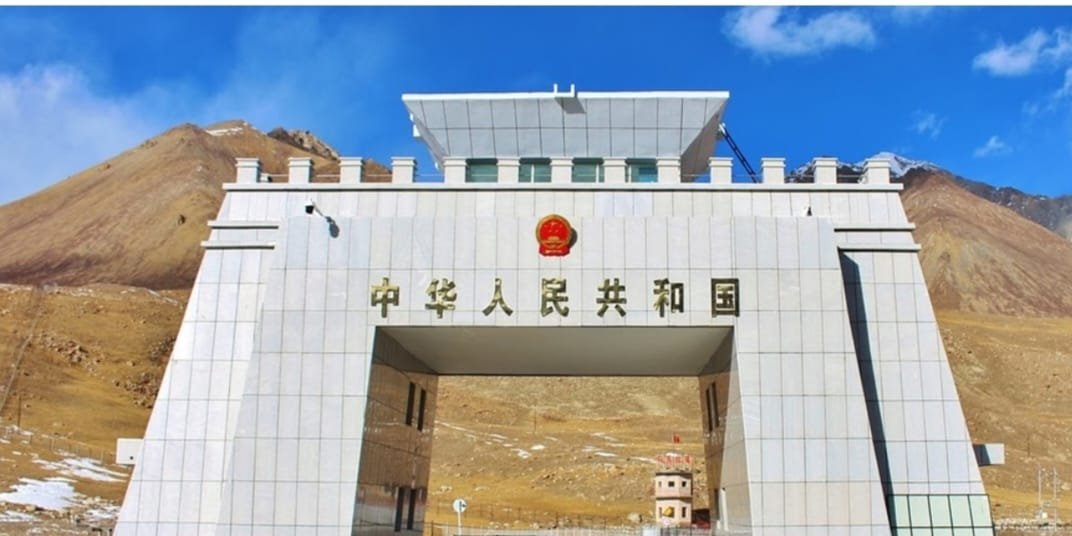
LAHORE: The Pakistan-China Joint Chamber of Commerce and Industry (PCJCCI) has highlighted the growing strategic and economic importance of Gilgit-Baltistan (GB) under the China-Pakistan Economic Corridor (CPEC), describing the region as a key northern gateway for trade, investment and regional connectivity.
Speaking at a think tank session held at the PCJCCI Secretariat on Monday, PCJCCI President Nazir Hussain said CPEC had become a catalyst for inclusive growth, improved connectivity and sustainable development in Pakistan’s northern areas. He noted that the corridor had opened new opportunities for trade, tourism, investment and people-to-people exchanges, positioning Gilgit-Baltistan as a critical link between Pakistan, Central Asia and western China.
Hussain said infrastructure development under CPEC, including improved road networks and logistics, was creating employment opportunities, reducing regional disparities and integrating Gilgit-Baltistan more closely with national and regional markets.
Senior Vice President Brigadier (retd) Mansoor Saeed Sheikh said Gilgit-Baltistan held immense strategic and economic value within the CPEC framework. He stressed that the long-term success of CPEC depended on ensuring that its benefits reached local communities, remote valleys and small businesses, enabling inclusive and sustainable development.
He added that enhanced connectivity through CPEC could significantly boost cross-border trade, tourism and cultural exchanges between Pakistan and China. Sheikh also suggested that innovative measures, such as improved regional air connectivity and affordable aviation services, could play a crucial role in linking remote areas with major cities and international tourism circuits. According to him, sustainable tourism development would generate income and employment while enhancing Pakistan’s soft image globally.
Vice President PCJCCI Zafar Iqbal highlighted Gilgit-Baltistan’s vast hydropower potential and natural resources, calling them significant opportunities for Pakistan-China cooperation in renewable energy and green development. He said joint ventures in hydropower, solar and other clean energy projects could help meet Pakistan’s growing energy needs while promoting environmentally responsible growth in the region. He also identified tourism as a high-potential sector, citing GB’s scenic landscapes, cultural heritage and strategic location.
Secretary General PCJCCI Salahuddin Hanif reaffirmed the chamber’s commitment to serving as a bridge between Pakistani and Chinese businesses, investors and institutions, with a particular focus on promoting development and investment opportunities in Gilgit-Baltistan.