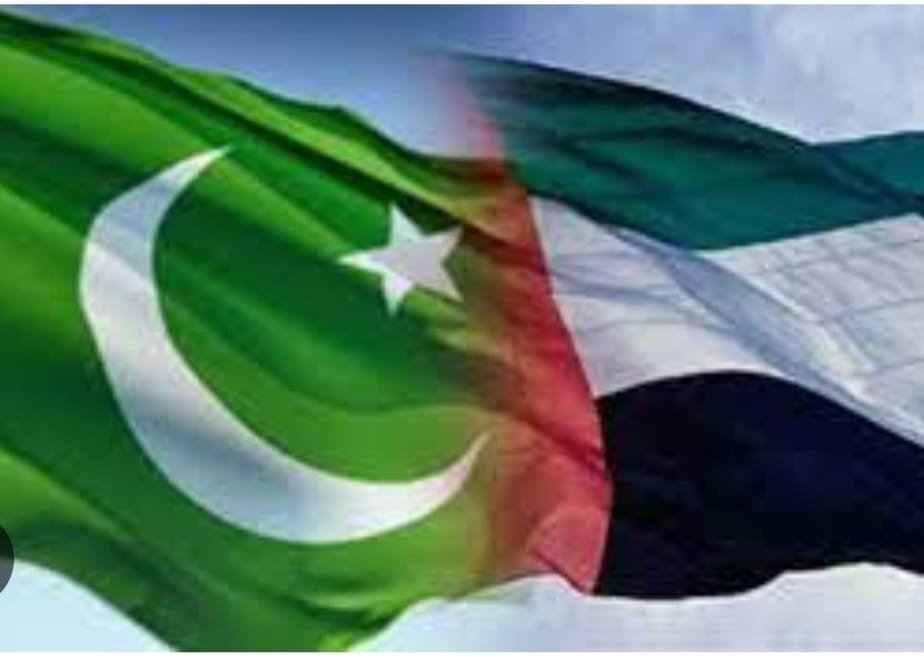
Education as a Bridge Between the UAE and Pakistan
By Dr. Ansab AliLAHORE: Education has long been recognised as the most powerful catalyst for national transformation. Across cultures and continents, societies that invest in knowledge build resilience, expand opportunity, and secure sustainable prosperity for future generations. Few leaders grasped this truth as profoundly as the late His Highness Sheikh Zayed Bin Sultan Al Nahyan,…
By Dr. Ansab Ali
LAHORE: Education has long been recognised as the most powerful catalyst for national transformation. Across cultures and continents, societies that invest in knowledge build resilience, expand opportunity, and secure sustainable prosperity for future generations. Few leaders grasped this truth as profoundly as the late His Highness Sheikh Zayed Bin Sultan Al Nahyan, the Founding Father of the United Arab Emirates, who placed human development at the heart of nation-building. His enduring words—“Education is like a lantern which lights your way in a dark alley”—continue to illuminate pathways of progress far beyond the UAE’s borders.
This visionary legacy has been carried forward with distinction by his sons, notably His Highness Sheikh Mohamed Bin Zayed Al Nahyan, President of the United Arab Emirates and Ruler of Abu Dhabi, and the late His Highness Sheikh Khalifa Bin Zayed Al Nahyan. Their steadfast commitment to education and human welfare has evolved into a defining pillar of the UAE’s international humanitarian engagement. In Pakistan, this commitment has translated into one of the most extensive and impactful educational support initiatives undertaken by any partner country.
Over the years, with the benevolent support of the UAE leadership, 91 schools and colleges have been established across Pakistan. From the plains of Rahim Yar Khan and Bahawalpur to the underserved districts of Dera Ghazi Khan and Rajanpur; from the coastal belt of Gwadar, Turbat and Khuzdar to the mountainous terrains of Chitral; and across major urban centres including Karachi, Lahore, Rawalpindi and the Islamabad Capital Territory—these institutions have expanded access to quality education for thousands of children. In many of these regions, particularly remote and underdeveloped areas, formal education was once a distant aspiration. Today, classrooms stand where opportunity was scarce.
Importantly, the UAE’s contribution extends far beyond physical infrastructure. Recognising that educational quality depends on sustained institutional support, the leadership has sponsored scholarships and provided essential learning resources, including textbooks, stationery, furniture, laboratory equipment and medicines. Teacher training programmes and salary support have further strengthened these institutions, ensuring continuity, professionalism and improved learning outcomes at the grassroots level. This holistic approach reflects a deep understanding that education systems flourish only when students, educators and infrastructure are equally supported.
A particularly commendable aspect of this engagement is the focus on children with special needs. Dedicated institutions have been developed with direct UAE support, encompassing construction, renovation and specialised facilities. These centres provide inclusive, safe and supportive learning environments, reaffirming the humanitarian principle that genuine progress is measured by how societies care for their most vulnerable members.
Parallel to this, the UAE leadership has demonstrated a clear appreciation of the link between education, skills and economic self-reliance. Vocational training centres established across rural Pakistan—including the Northern Areas, Islamabad, Rawalpindi and Rahim Yar Khan—have equipped young people with market-relevant skills. By enhancing employability and encouraging entrepreneurship, these initiatives contribute directly to poverty reduction and socio-economic uplift.
The partnership also extends to medical education. Through UAE-sponsored programmes, 140 Pakistani students have completed their M.B.B.S degrees and are now serving as qualified doctors across the country. At a time of mounting healthcare challenges, this investment in human capital has strengthened service delivery, particularly in underserved regions, and represents a long-term contribution to national well-being.
Institutions such as the Human Welfare and Nature Conservation Society (HWNCS) and Houbara Foundation International Pakistan (HFIP) have expressed deep appreciation for these initiatives and continue to play a facilitative role in ensuring their sustainability and effective implementation. Their collaboration reflects a shared commitment to translating visionary leadership into lasting impact on the ground.
As articulated by His Highness Sheikh Mohamed Bin Zayed Al Nahyan: “Those who take the lead take it by doing three things: science to manoeuvre, knowledge to invest in education, and wise leadership with a clear vision and roadmap.” These words encapsulate the philosophy underpinning the UAE’s engagement in Pakistan—an approach that views education not as charity, but as a strategic investment in shared human progress.
Collectively, the educational initiatives supported by the UAE leadership stand as a powerful symbol of enduring friendship, humanitarian cooperation and mutual respect between Pakistan and the United Arab Emirates. They reaffirm that diplomacy rooted in compassion and knowledge-building can yield dividends that transcend political cycles, shaping societies and strengthening bonds for generations to come.