Punjab to Introduce Long-Term Industrial Land Lease Policy; LCCI Seeks Support for Industrial Growth
By Dr. Ansab Ali | Lahore, Pakistan:The Punjab government is planning to introduce a long-term industrial land lease policy aimed at promoting industrial growth across the province, Secretary Industries, Investment and Commerce Punjab Muhammad Umar Masood announced at a meeting held at the Lahore Chamber of Commerce and Industry (LCCI).Under the proposed policy, industrial units…
By Dr. Ansab Ali | Lahore, Pakistan:
The Punjab government is planning to introduce a long-term industrial land lease policy aimed at promoting industrial growth across the province, Secretary Industries, Investment and Commerce Punjab Muhammad Umar Masood announced at a meeting held at the Lahore Chamber of Commerce and Industry (LCCI).
Under the proposed policy, industrial units will be offered performance-based leases for a period of 30 years or more, applicable not only to Special Economic Zones but also to other industrial estates across Punjab. A formal announcement is expected before the holy month of Ramadan.
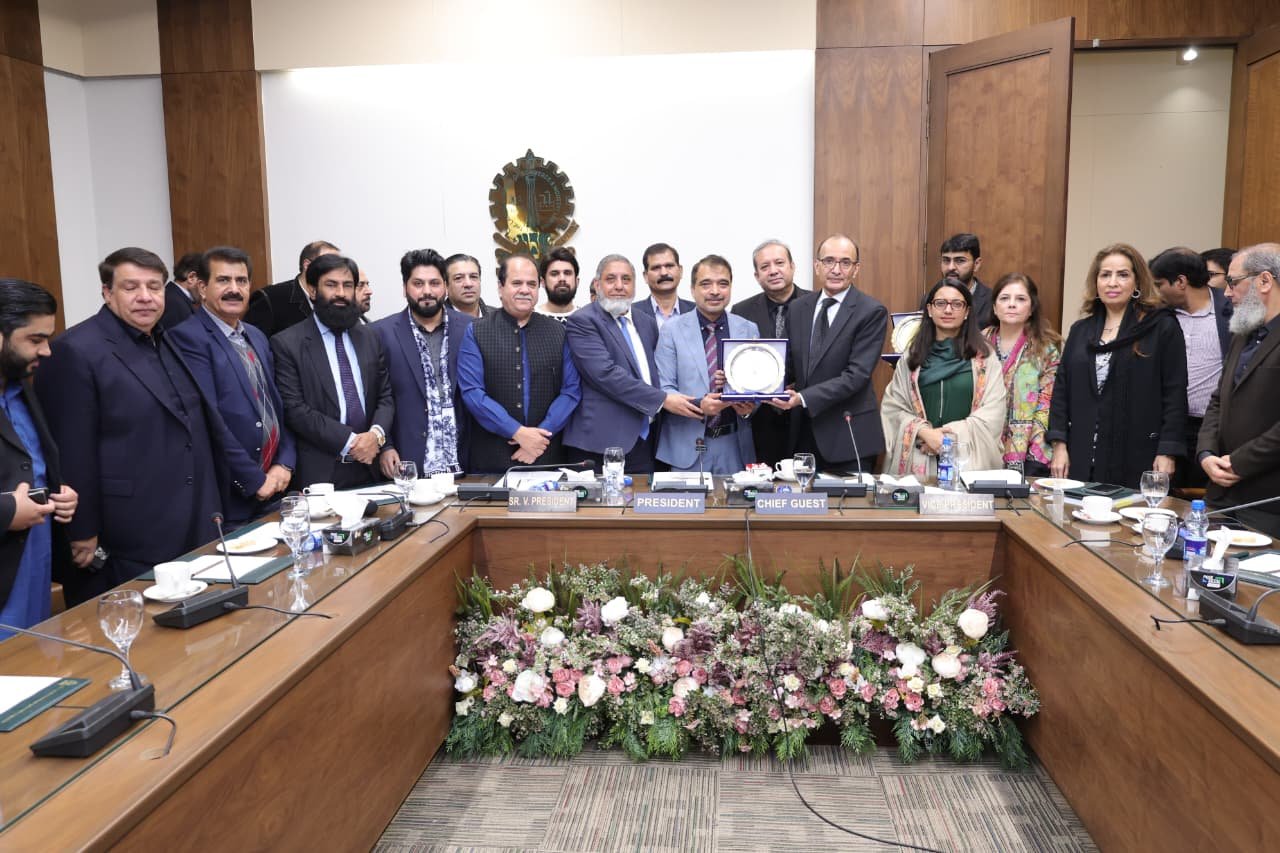
In his welcome address, LCCI President Faheem-ur-Rehman Saigol said that relations between LCCI and the Industries Department are strong and will continue to support industrial growth. He emphasized that all relevant stakeholders must be included in the implementation of any new policy.
The meeting was attended by Senior Vice President Tanveer Ahmad Sheikh, Vice President Khurram Lodhi, Managing Director Punjab Small Industries Corporation Saira Umar, former LCCI President Muhammad Ali Mian, former Senior Vice President Ali Hussam Asghar, and executive committee members including Ihtisham-ul-Haq, Abdul Majeed, Muneeb Manu, Rana Shouban Akhtar, Amir Ali, Waqas Aslam, and Irfan Ahmed Qureshi.
LCCI President Saigol highlighted pressing challenges facing Punjab’s industrial sector, noting that industry’s share in GDP has fallen to just 18 percent, and large-scale manufacturing recorded negative growth of 1.5 percent in FY 2024-25. Rising business costs—including high policy rates, heavy taxation, and expensive energy—are driving both local and multinational companies abroad, contributing to capital flight.
He described the Sindh Infrastructure Development Cess as ineffective and harmful, urging federal-level action to abolish the tax to reduce business costs. Saigol also expressed concern over a 40 percent decline in food exports, noting that Punjab’s agro-based industries could significantly boost national exports through food processing, value addition, and export marketing if supported with targeted incentives.
Other recommendations included:
Financial support for industrialists to meet environmental compliance
Facilitation for installation of water treatment plants for SMEs
Promotion of electric vehicles
Collateral-free financing for SMEs
Reduction in high industrial land prices
Establishment of separate Special Economic Zones for SMEs
LCCI representation on industrial boards
Upgrading skill development programs in the province
He also urged that unnecessary interference by government departments in Special Economic Zones be removed to facilitate investment.
Secretary Industries Muhammad Umar Masood emphasized the need for stronger coordination between government and chambers of commerce, suggesting continuous, evidence- and data-based dialogue to address industrial sector challenges. He said Punjab Chief Minister Maryam Nawaz Sharif has directed practical steps to promote industrial growth, highlighting the province’s economy is built on three pillars: agriculture, industry, and services.
Masood stressed that governance reforms, administrative improvements, and infrastructure development in industrial zones are critical, and public-private partnerships are being promoted. Appreciating industries’ environmental compliance efforts, he noted that Lahore experienced relatively better winters this year. A one-window, technology-based system for environmental compliance will be introduced to reduce unnecessary inspections and human interference.
He also expressed concern over the low utilization of Rs. 5 billion allocated under the zero-percent financing scheme for environmental improvement, urging chambers to flag design or communication issues so improvements can be included in the upcoming budget.