Zero Tolerance for Corruption, Immediate Accountability of Officers: IG Punjab
By Dr. Ansab AliLahore, PakistanLAHORE: Punjab’s Inspector General of Police (IGP), Abdul Kareem, has announced a zero-tolerance policy toward corruption and misconduct within the provincial police force, warning of immediate and strict accountability for officers found involved in abuse of authority.The directive was issued during a high-level meeting on police reforms held at the Central…
By Dr. Ansab Ali
Lahore, Pakistan
LAHORE: Punjab’s Inspector General of Police (IGP), Abdul Kareem, has announced a zero-tolerance policy toward corruption and misconduct within the provincial police force, warning of immediate and strict accountability for officers found involved in abuse of authority.
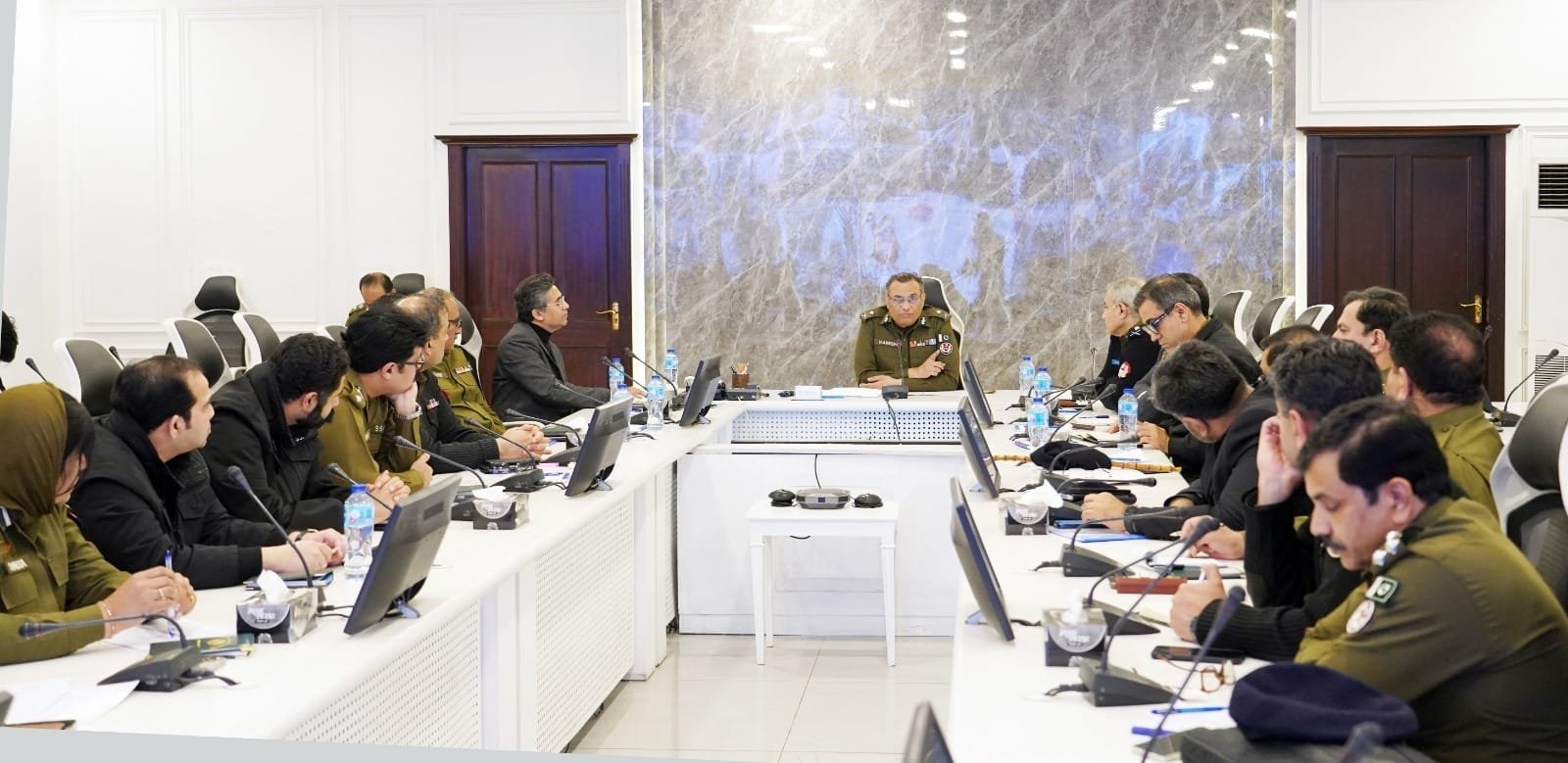
The directive was issued during a high-level meeting on police reforms held at the Central Police Office in Lahore. The session reviewed the implementation of reform measures aligned with Chief Minister Maryam Nawaz Sharif’s vision of “swift, fearless, and transparent justice.”
The IGP said body cameras would be provided to police and traffic personnel in phases, with the entire force expected to be equipped within two months. Panic buttons are also being installed outside police stations to enable citizens to lodge immediate complaints in cases of misconduct or negligence.
He further directed that citizens visiting police stations, checkpoints, and Khidmat Marakaz (service centers) must be addressed respectfully as “Sir,” “Madam,” “Sahib,” or “Sahiba,” as part of broader efforts to improve public perception of the police. Counseling and training programs for officers have been initiated to reinforce professional conduct.
The meeting underscored that officials involved in corruption or misconduct would face strict action without delay. The IGP ordered that all CCTV cameras at police stations remain fully operational with proper backup systems in place. A modern control and monitoring room is being activated at the Central Police Office to enhance oversight, while monitoring of police stations, Station House Officers (SHOs), record clerks, and investigation rooms will be conducted through the Safe Cities surveillance system.
Regional Police Officers (RPOs) and District Police Officers (DPOs) were directed to develop comprehensive mechanisms to implement reform measures across all branches of the force, including traffic police, field formations, checkpoints, and service centers. The IGP emphasized strengthening core policing functions, supervision, and command systems to improve crime control, noting that the Chief Minister is personally overseeing reform initiatives.
Authorities also ordered stricter enforcement of traffic regulations, including helmet use, lane discipline, and one-way traffic violations. Performance monitoring is being conducted through the Emergency Helpline 15 and the Safe Cities system, with investigations and citizen interactions at police stations to be fully recorded. Key Performance Indicators (KPIs) scorecards are being introduced to evaluate officers’ performance.
The IGP said he personally contacts complainants to obtain feedback on their cases and instructed senior officers to maintain direct engagement with citizens to ensure swift redressal of grievances.
Special emphasis was placed on handling cases involving women and children with dignity and sensitivity. Investigations into abuse, harassment, and violence against women and minors are to be prioritized, with support from Virtual Women Police Stations and the Center for Child Safety.
Concluding the meeting, IGP Abdul Kareem directed all officers to ensure the immediate and effective implementation of the provincial government’s police reform agenda.