Pakistan Industrial and Traders Associations Front Welcomes Export Incentives, Urges Structural Reforms for Sustainable Growth
By Muhammad Shahzad | Lahore, PakistanThe Pakistan Industrial and Traders Associations Front (PIAF) has welcomed the federal government’s recent export promotion measures, announced by Prime Minister Shehbaz Sharif at the Top Exporters Award Ceremony 2024–25, describing them as a timely step to ease cost pressures on Pakistan’s industrial and export sectors.In a statement on Friday,…
By Muhammad Shahzad | Lahore, Pakistan
The Pakistan Industrial and Traders Associations Front (PIAF) has welcomed the federal government’s recent export promotion measures, announced by Prime Minister Shehbaz Sharif at the Top Exporters Award Ceremony 2024–25, describing them as a timely step to ease cost pressures on Pakistan’s industrial and export sectors.
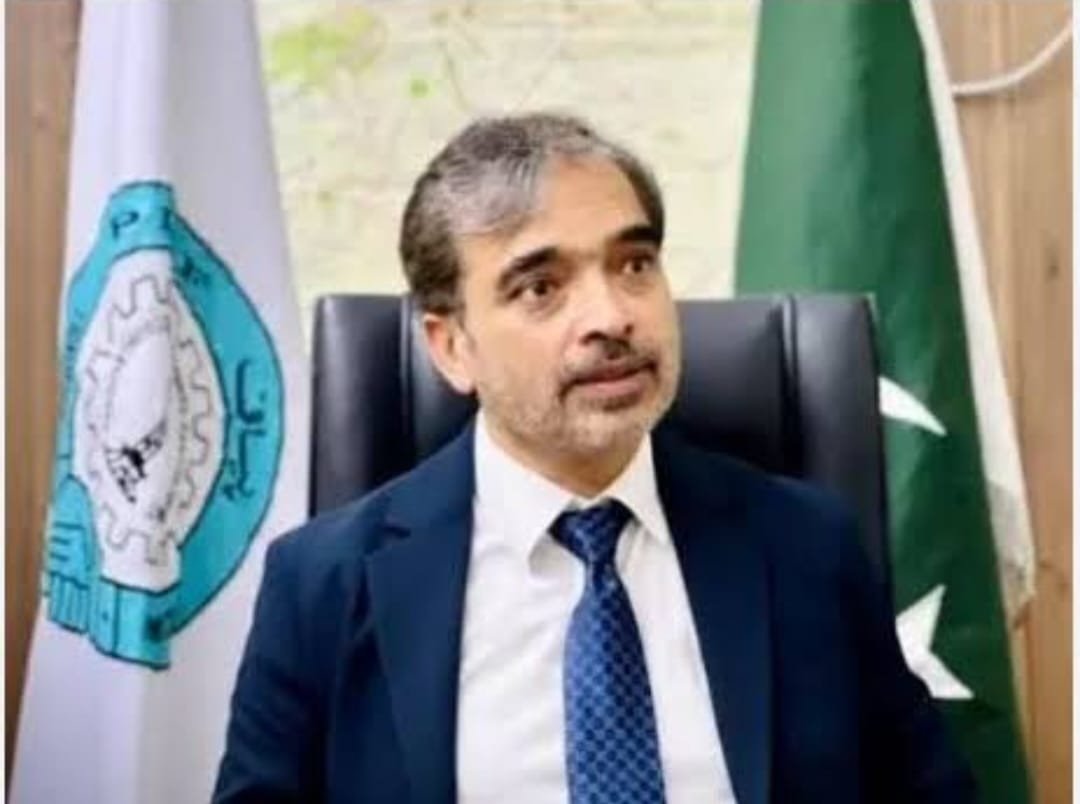
In a statement on Friday, PIAF leadership—Chairman Faheemur Rehman Saigol, Senior Vice Chairman Nasrullah Mughal, and Vice Chairman Tahir Manzoor Chaudhry—commended the government for reducing export refinance rates, cutting electricity tariffs for industries, and lowering wheeling charges under a special relief package.
Chairman Saigol noted that high energy costs, expensive financing, and policy uncertainty have eroded the competitiveness of Pakistani exports over the years. While the reduction of electricity tariffs by Rs 4.04 per unit and lower wheeling charges will ease production costs, he emphasized that industrial power tariffs remain higher than regional competitors such as India and China. He called for further rationalization of energy pricing to bolster export competitiveness.
Saigol also welcomed the reduction in export refinance rates, noting that cheaper credit could improve exporters’ cash flows, enable investment in modernisation, and enhance productivity. He cautioned, however, that short-term relief should not be reversed due to fiscal pressures or IMF obligations, as inconsistent policies undermine long-term planning and investment.
Senior Vice Chairman Mughal highlighted the importance of export-led growth as a sustainable source of foreign exchange, warning that Pakistan’s exports remain narrowly focused on low value-added textiles and primary goods. He urged diversification into sectors such as engineering goods, information technology, and emerging technologies including artificial intelligence, noting that higher value-added exports would strengthen the industrial base and create skilled employment.
Vice Chairman Chaudhry stressed that facilitating international business travel and easing restrictive visa regimes are critical for exporters seeking new markets, attending trade fairs, and building partnerships. He also called for structural reforms in the power sector, including uniform tariffs and improved management of capacity payments, to reduce costs passed on to industry.
PIAF acknowledged the growing role of remittances, which have recently outpaced export earnings, but urged a balanced economic strategy that strengthens exports alongside remittance inflows. The association reaffirmed its commitment to support the government’s stabilization efforts, while advocating for consistent, transparent, and long-term policies to place Pakistan on a sustainable path of export-led growth.