Govt Urged to Rationalise Energy Tariffs for Export-Oriented IndustriesFaheem Saigol Warns of Deepening Crisis as Non-Textile Exports Fall 17pc
By Muhammad Shahzad | Lahore, PakistanLAHORE: The Pakistan Industrial and Traders Associations Front (PIAF) has expressed grave concern over the sharp decline in non-textile exports and the simultaneous surge in food imports, terming the latest trade data a reflection of deep-rooted structural weaknesses in Pakistan’s export and agricultural sectors.Citing figures released by the Pakistan Bureau…
By Muhammad Shahzad | Lahore, Pakistan
LAHORE: The Pakistan Industrial and Traders Associations Front (PIAF) has expressed grave concern over the sharp decline in non-textile exports and the simultaneous surge in food imports, terming the latest trade data a reflection of deep-rooted structural weaknesses in Pakistan’s export and agricultural sectors.
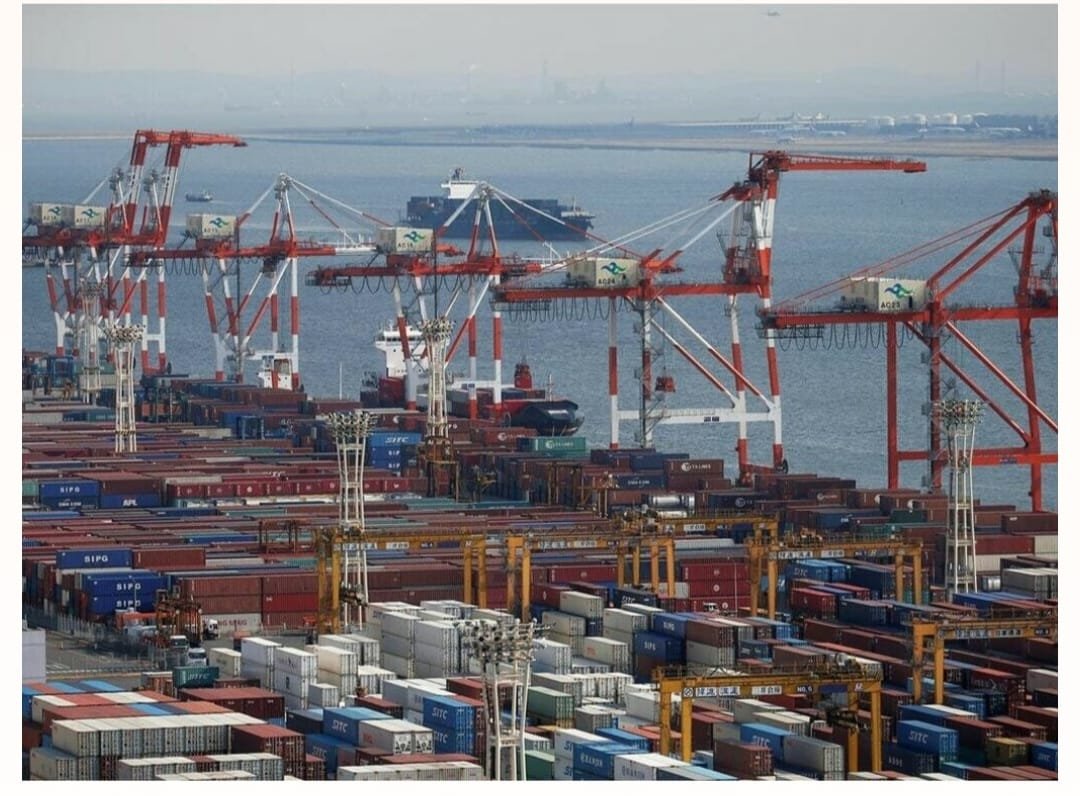
Citing figures released by the Pakistan Bureau of Statistics, PIAF Chairman Faheemur Rehman Saigol, who also serves as President of the Lahore Chamber of Commerce and Industry, said non-textile exports declined by 17.32 per cent to $7.286 billion during the first seven months of the current fiscal year, compared to $8.812 billion in the same period last year. The drop was largely attributed to a steep fall in agriculture-based and value-added products.
Faheem Saigol highlighted that rice exports recorded the most alarming decline, plunging by more than 40 per cent in value to $1.305 billion, while export volumes shrank by nearly 33 per cent to 2.439 million tonnes. He said the simultaneous decrease in both value and quantity reflects weaker global demand, lower international prices, and domestic competitiveness challenges.
Although the government has announced a Rs15 billion subsidy package to support the rice sector, he maintained that short-term relief measures cannot substitute long-term reforms focused on productivity enhancement, quality improvement, and diversification of export markets.
PIAF Senior Vice Chairman Nasrullah Mughal noted that certain non-agricultural segments such as engineering goods and cement recorded modest growth, but these gains were insufficient to offset heavy losses in agriculture. Engineering exports increased by around 5.85 per cent, driven by higher shipments of industrial machinery, transport equipment, and auto parts, while cement exports rose nearly 10 per cent in value terms despite logistical challenges and regional trade disruptions.
The leather and footwear sectors showed mixed trends, with marginal growth in leather garments but significant declines in canvas footwear and raw leather exports, underlining the urgent need to shift towards higher value-added manufacturing and branding.
PIAF Vice Chairman Tahir Manzoor Chaudhry expressed further concern that raw food exports plunged by 35.21 per cent to $2.988 billion during July-January, compared to $4.613 billion a year earlier. Meanwhile, the country’s food import bill surged by 19.27 per cent to $5.502 billion, primarily due to increased imports of sugar, palm oil, and tea.
Sugar imports rose sharply to over 308,000 tonnes from just over 2,000 tonnes in the same period last year, reflecting emergency measures to stabilise domestic supply and retail prices. Palm oil imports also recorded a significant increase in both value and quantity, indicating growing reliance on imported edible oils.
Saigol warned that the widening gap between falling food exports and rising food imports exposes serious deficiencies in agricultural planning, supply chain management, and policy consistency. He cautioned that continued reliance on imports to bridge domestic production gaps will further strain foreign exchange reserves and widen the trade deficit.
He stressed that exporters are facing mounting challenges, including high electricity and gas tariffs, expensive financing, exchange rate volatility, and delays in tax refunds—all of which are undermining Pakistan’s global competitiveness.
The PIAF chairman urged the government to rationalise energy tariffs for export-oriented industries, ensure timely refund payments, modernise agriculture through improved technology and research support, and formulate a comprehensive export diversification strategy focused on engineering, technology-based, and value-added products.
Faheem Saigol concluded that without structural reforms, policy stability, and a business-friendly environment, the downward trend in exports may persist in the coming months, deepening economic vulnerabilities and hampering industrial growth across Pakistan.