Afghan Taliban’s Support for Terrorists Exposed: Media Access to Pakistani Strike-Affected Areas Blocked
Islamabad, February 23, 2026 – In a significant development highlighting the Afghan Taliban’s alleged backing of terrorist groups, Pakistani security forces have reportedly conducted targeted operations across the border, exposing what officials describe as safe havens for militants. However, Afghan authorities have imposed strict media restrictions, preventing access to most of the impacted sites.According to…
Islamabad, February 23, 2026 – In a significant development highlighting the Afghan Taliban’s alleged backing of terrorist groups, Pakistani security forces have reportedly conducted targeted operations across the border, exposing what officials describe as safe havens for militants. However, Afghan authorities have imposed strict media restrictions, preventing access to most of the impacted sites.
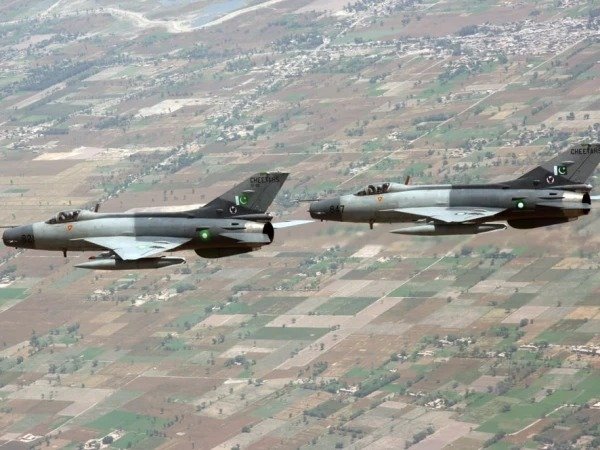
According to sources familiar with the matter, the Pakistani actions targeted multiple terrorist hideouts in Afghanistan, resulting in substantial damage. State-controlled Afghan media outlets have only released footage from the rubble in Behsud district, showcasing the aftermath of the strikes there. No reports or visuals have been made public regarding other destroyed locations, raising questions about the extent of the damage and the Taliban’s efforts to control the narrative.
Pakistani officials claim these operations were necessary to neutralize threats from groups like the Tehrik-i-Taliban Pakistan (TTP), which they accuse the Afghan Taliban of sheltering. “This is clear evidence of the Taliban’s complicity in harboring terrorists who target Pakistan,” a senior security official stated on condition of anonymity. The strikes come amid escalating tensions between Islamabad and Kabul over cross-border militancy.
Afghan Taliban spokespersons have denied providing support to any terrorist outfits and condemned the Pakistani actions as violations of sovereignty. They have accused Pakistan of fabricating claims to justify aggression. International observers, including the United Nations, have called for de-escalation and transparent investigations.
Media watchdogs have criticized the blackout on information, arguing it hinders independent verification. “By limiting access only to selective footage from Behsud, the Afghan regime is effectively censoring the full picture,” said a representative from Reporters Without Borders.
As diplomatic channels remain strained, both sides have urged restraint while vowing to protect their national interests. Further details on the operations remain classified, but analysts predict potential repercussions on regional stability.