Middle East War Could Disrupt Pakistan’s Trade, Remittance Flows, Warns BMPSuspension of flights, disruption in shipping activities already create uncertainty
By Dr Ansab Ali | Lahore, PakistanLAHORE: The Businessmen Panel (BMP) of the Federation of Pakistan Chambers of Commerce and Industry (FPCCI) has expressed deep concern over the escalating war in the Middle East, warning that prolonged instability could significantly impact Pakistan’s external trade, energy imports and remittance inflows at a critical juncture for the…
By Dr Ansab Ali | Lahore, Pakistan
LAHORE: The Businessmen Panel (BMP) of the Federation of Pakistan Chambers of Commerce and Industry (FPCCI) has expressed deep concern over the escalating war in the Middle East, warning that prolonged instability could significantly impact Pakistan’s external trade, energy imports and remittance inflows at a critical juncture for the national economy.
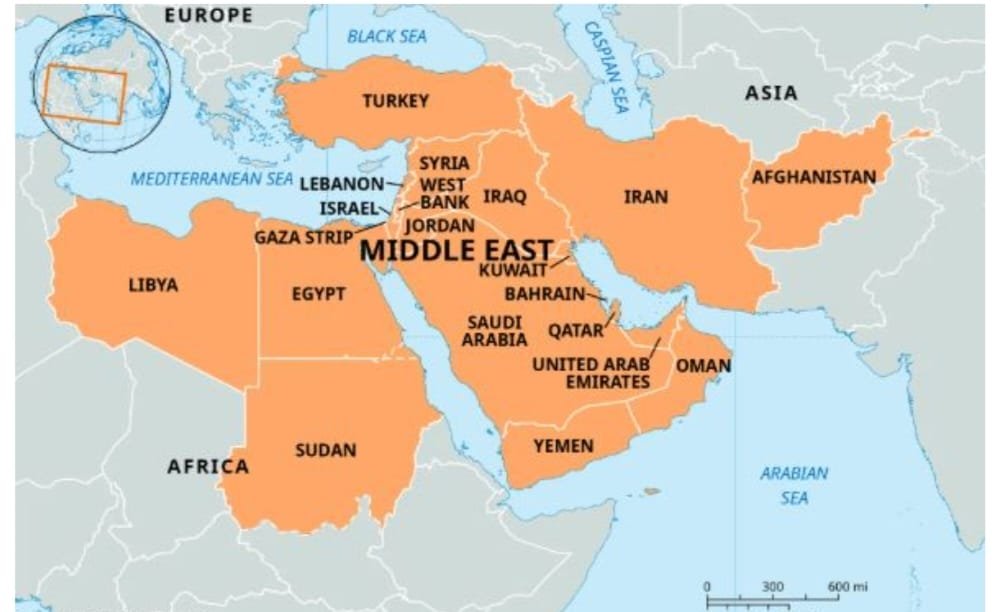
BMP Chairman and former FPCCI president Mian Anjum Nisar said that the suspension of flights and disruption in shipping activities across parts of the region have already created uncertainty among exporters and importers. He noted that the Middle East remains one of Pakistan’s most important economic partners, and sustained conflict could disturb trade routes, delay consignments and increase the cost of doing business.
Anjum Nisar highlighted that the United Arab Emirates is among Pakistan’s largest trading partners, with bilateral trade amounting to billions of dollars annually. Saudi Arabia, he added, plays a crucial role as both a key destination for Pakistani exports and a major supplier of petroleum products. Pakistan also imports liquefied natural gas (LNG) from Qatar, making stability in the Gulf region vital for national energy security.
He cautioned that rising geopolitical tensions could push global oil prices higher, increasing Pakistan’s import bill and placing fresh pressure on foreign exchange reserves. “Our economy remains heavily dependent on imported fuel. Any escalation that disrupts supply chains or spikes crude oil prices will fuel inflation and widen the current account deficit,” he said.
The BMP chairman observed that exporters are already operating under challenging conditions, including high energy tariffs, expensive financing and intense global competition. A prolonged war, he warned, could further raise freight charges and insurance premiums as shipping companies reassess regional risks, undermining the competitiveness of Pakistani products in international markets.
Anjum Nisar also raised concerns about possible disruptions to key maritime passages that serve as lifelines for global trade. Any restriction or closure of such routes, he said, could create bottlenecks, delay shipments and cause port congestion. Export-oriented sectors such as textiles, rice and perishable goods may face significant losses if deliveries are delayed or orders cancelled due to uncertainty.
Another major concern is the potential decline in remittances. Millions of Pakistanis work in Gulf countries, and their remittances constitute a vital source of foreign exchange. Nisar noted that insecurity in the region could affect workforce mobility and reduce seasonal inflows, particularly during Ramadan and ahead of Eid, when overseas Pakistanis traditionally send higher amounts home.
“Remittances have consistently supported our external account and stabilized the rupee. Even a temporary dip in inflows could add pressure on our currency and financial markets,” he said, urging the government and the State Bank to closely monitor currency markets and ensure adequate liquidity to prevent volatility.
He further warned that Pakistan’s export growth targets could face setbacks if regional markets remain unstable. A significant share of Pakistan’s exports are destined for Middle Eastern countries, and any slowdown in these markets would directly affect industrial output and employment.
Calling for proactive measures, Anjum Nisar stressed the need to diversify export destinations, explore alternative energy sources and develop contingency plans to reroute trade if required. Strengthening economic ties with other regions, he said, could help cushion the impact of regional instability.
He also underscored the importance of diplomatic engagement to safeguard the welfare of Pakistani citizens residing in the Middle East, noting that their well-being is closely linked to Pakistan’s economic stability.
While acknowledging that geopolitical conflicts are beyond Pakistan’s control, Nisar emphasized that prudent economic management and timely policy responses can mitigate potential fallout. He urged close coordination between policymakers and the private sector to maintain market confidence.
The BMP reiterated that sustained peace and stability in the Middle East are essential not only for regional prosperity but also for Pakistan’s economic progress, stressing that unity between the government and business community is crucial to safeguard trade flows, stabilize the currency and protect livelihoods dependent on external markets.